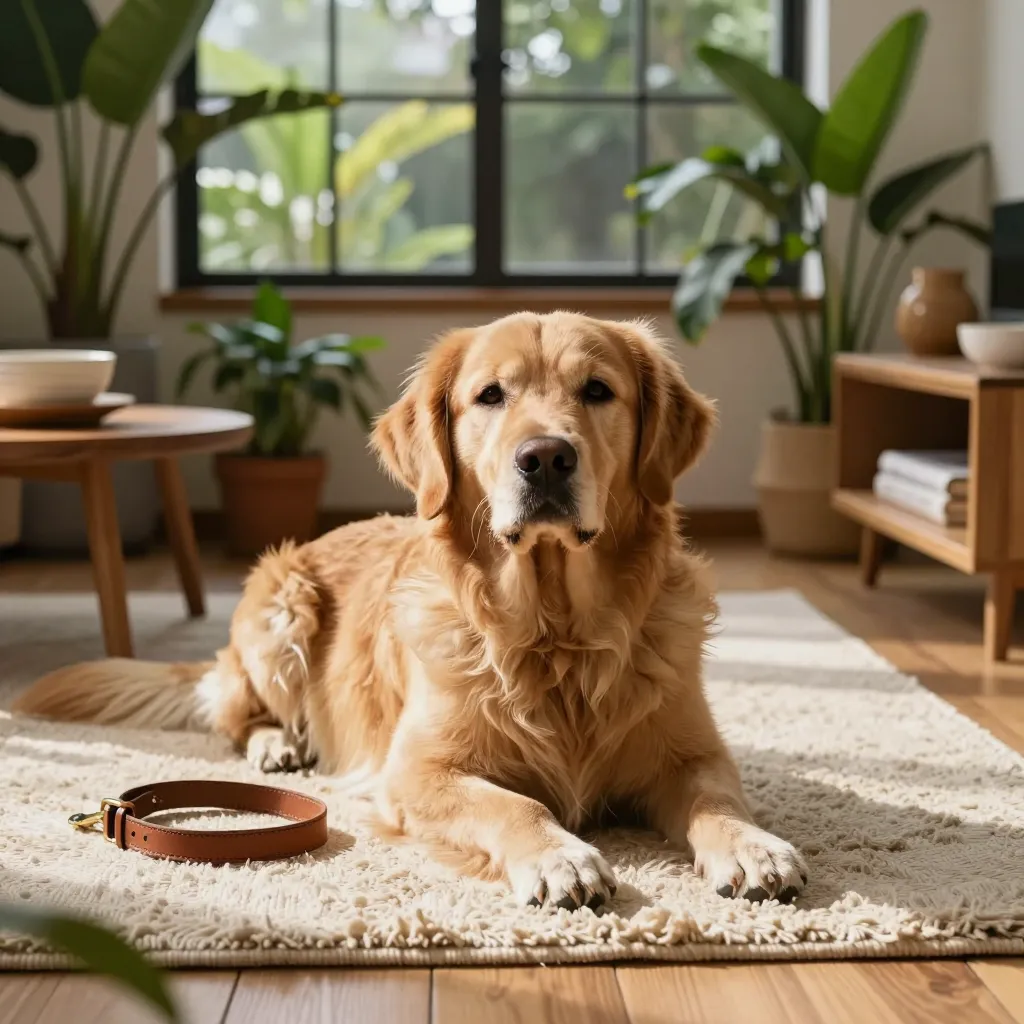
Are You Truly Ready for a Dog? Essential Pre-Adoption Checklist
Before you head to the shelter, ensure you're prepared for the reality of canine companionship. This guide explores the vital lifestyle changes, budget considerations, and emotional readiness needed to ensure a successful and permanent adoption for both you and your new pet.
Are You Truly Ready to Welcome a Dog Into Your Life?
The idea of coming home to a wagging tail and unconditional love is irresistible. But beyond the adorable puppy photos and daydreams of park adventures lies a serious commitment that deserves honest reflection. Before you fall head over heels for a furry companion, take a step back and evaluate whether your life, finances, and heart are genuinely prepared for the responsibility ahead.
The Time Investment: More Than Walks Around the Block
Every dog, regardless of size or breed, requires dedicated time each day for exercise, mental stimulation, and companionship. High-energy breeds like Border Collies, Australian Shepherds, and Labrador Retrievers need vigorous daily activity to stay physically healthy and mentally balanced. Without adequate outlets for their energy, these dogs can develop destructive behaviors born from boredom and frustration.
Grooming demands add another layer to your schedule. Breeds with thick, continuously growing coats such as Poodles, Shih Tzus, and Golden Retrievers need regular brushing at home and professional grooming appointments every few weeks. Skipping these sessions leads to painful matting, skin issues, and expensive corrective grooming.
Consider your daily routine honestly. Do you work twelve-hour shifts? Travel frequently for business? Enjoy spontaneous weekend getaways? Dogs are social creatures who thrive on routine and presence. A dog left alone for extended periods day after day experiences loneliness and stress that manifests in anxiety, excessive barking, or house-soiling. If your lifestyle keeps you away from home regularly, you'll need a reliable network of dog walkers, pet sitters, or daycare options — all of which require planning and additional resources.
Remember, this isn't a short-term arrangement. Many dogs live twelve to fifteen years, with smaller breeds sometimes reaching their late teens. That adorable puppy will grow into a senior dog needing specialized care, potential mobility assistance, and more frequent veterinary attention. Are you ready to be there for every chapter?
The Financial Reality: Budgeting for a Lifetime
The initial adoption fee or purchase price is merely the down payment on dog ownership. First-year expenses typically run highest as you invest in quality food and water bowls, a sturdy leash and collar, an appropriate crate, bedding, toys, and initial veterinary care including vaccinations and spay or neuter surgery.
Ongoing costs accumulate steadily. Premium nutrition appropriate for your dog's age, size, and health needs represents a significant monthly expense. Preventive veterinary care, including annual exams, vaccinations, parasite prevention, and dental cleanings, protects against far costlier emergency interventions down the road.
Unexpected medical expenses catch many owners off guard. Emergency surgery for foreign body ingestion, treatment for sudden illness, or management of chronic conditions like diabetes or hip dysplasia can quickly run into thousands of dollars. Pet insurance or a dedicated emergency fund provides crucial financial cushioning when crises arise.
Size directly impacts your budget. A Great Dane consumes exponentially more food than a Chihuahua. Large breed medications, anesthesia doses, and surgical procedures cost more. Even basic supplies like beds and crates carry higher price tags for bigger dogs. Factor these scaling costs into your financial planning from the start.
Lifestyle Compatibility: Finding Your Perfect Match
Your ideal Saturday morning reveals important clues about which dog suits your life. If you wake before dawn to hit mountain trails, an athletic breed with endurance and enthusiasm for outdoor adventure matches your rhythm. If your perfect weekend involves leisurely brunches and afternoon reading, a laid-back companion content with gentle walks and couch cuddles fits better.
Family dynamics matter enormously. Households with young children need dogs known for patience and sturdy builds that tolerate enthusiastic (sometimes clumsy) interactions. Future family planning deserves consideration too — adding a baby to a home with an established dog requires careful management and continued commitment to the dog's needs.
Living space influences breed selection more than many realize. While some large breeds adapt surprisingly well to apartment life with sufficient daily exercise, others feel cramped and stressed without room to roam. Conversely, some small breeds possess enormous energy and vocal tendencies that make them challenging apartment neighbors. Research breed characteristics beyond size alone.
Building a Foundation Through Training
No dog arrives understanding human household rules. House training, basic manners, leash walking, and socialization require consistent, patient instruction from day one. Positive reinforcement methods — rewarding desired behaviors with treats, praise, and play — build trust and cooperation far more effectively than punitive approaches that damage your relationship and create fear.
Training isn't a one-time puppy class but an ongoing conversation throughout your dog's life. Regular practice reinforces good habits and provides mental exercise that tires dogs as effectively as physical activity. Well-trained dogs enjoy greater freedom, participate more fully in family activities, and experience less frustration from misunderstood expectations.
Creating a Safe, Welcoming Environment
Dog-proofing your home prevents tragedies before they occur. Secure toxic substances, medications, and household cleaners. Remove or protect electrical cords that tempt curious chewers. Establish boundaries around garbage, compost, and food storage areas. Ensure fences are secure and gates latch properly.
Your dog needs a designated space to retreat when overwhelmed — a crate, bed, or quiet corner that remains theirs alone. This sanctuary becomes especially important during busy gatherings, thunderstorms, or when introducing new pets or family members.
The Honest Self-Assessment
Perhaps the most important question isn't whether you want a dog, but whether you can provide what a dog needs. There's no shame in recognizing that your current season of life doesn't accommodate pet ownership. Graduate school, demanding career launches, financial instability, or housing uncertainty may mean waiting a year or two until circumstances stabilize.
Rehoming a dog after forming a bond creates heartbreak for everyone involved — you, the dog, and your family. Far better to wait until you're fully prepared than to rush into a commitment you cannot sustain.
When the timing aligns and you find the right match, dog ownership rewards your investment a thousandfold. The companionship, joy, and unconditional love dogs offer transform daily life in ways nothing else can. But that transformation begins with preparation, honesty, and a genuine readiness to put another being's wellbeing at the center of your world.