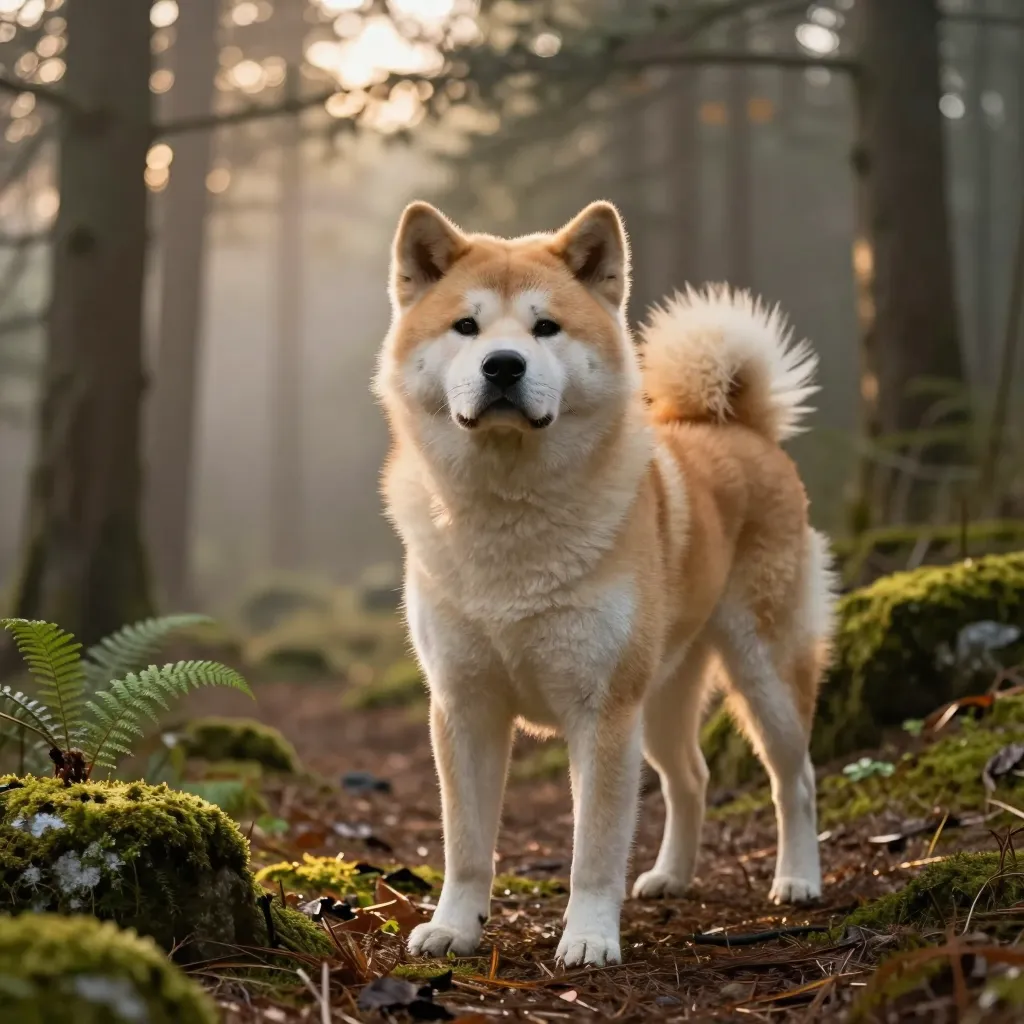
Akita Guide: Powerful Japanese Guardian Breed
Hailing from Japan's mountainous regions, the Akita is a robust, dignified breed prized for its courageous temperament, protective instincts, and historical role as hunter and noble guardian. Famous for Hachiko's legendary loyalty, they form deep family bonds but require experienced owners committed to socialization, training, and grooming their thick double coat. Perfect for those seeking a loyal, independent companion.
The Complete Akita Guide: A Powerful Guardian with Ancient Roots
Breed Overview
The Akita stands as one of the most commanding and dignified breeds in the canine world. Originating from the mountainous regions of northern Japan, these dogs carry centuries of heritage as both noble companions and formidable protectors. With their robust frame, plush double coat, and unwavering loyalty, Akitas have earned devoted followers worldwide—though they're not a breed for everyone.
Physical Characteristics
Size and Structure
Akitas are substantial dogs built for endurance and strength. Males typically stand 26 to 28 inches at the shoulder and weigh between 100 to 130 pounds, while females are slightly smaller at 24 to 26 inches and 70 to 100 pounds. Their heavy bone structure and powerful musculature give them an imposing presence that commands respect.
The breed features a broad, massive head that forms a blunt triangle when viewed from above, complemented by small, erect ears and dark, deeply set eyes that convey intelligence and alertness. Perhaps their most distinctive feature is the full, curled tail that arches over the back—a hallmark of their spitz heritage.
Coat and Colors
Akitas sport a dense double coat with a harsh outer layer and soft, thick undercoat. The coat comes in several colors including:
- Solid white
- Red
- Fawn
- Black
- Brown
- Silver
Many Akitas display black overlay or mask markings, adding depth and contrast to their appearance. The coat is medium in length and requires consistent maintenance, particularly during seasonal shedding periods.
Temperament and Personality
The Akita Mindset
Three words define the Akita temperament: dignified, courageous, and profoundly loyal. These dogs carry themselves with a quiet confidence that borders on regal. They're not typically effusive or demonstrative with affection, preferring to show devotion through steadfast presence rather than exuberant displays.
Akitas form intense bonds with their families and take their guardian role seriously. They're naturally watchful and reserved with strangers, making early and ongoing socialization absolutely essential. This isn't a breed that welcomes everyone with a wagging tail—they're discerning about who earns their trust.
Family Dynamics
Within their trusted circle, Akitas reveal a softer side. They can be patient and gentle with family members, though their tolerance for rough handling or unpredictable behavior has limits. Their independent nature means they may not seek constant attention, but they thrive on being included in family activities.
The breed's strong prey drive and same-sex aggression tendencies require careful management. Akitas often do best as the only dog in the household, particularly when it comes to sharing space with members of the same sex.
Living with an Akita
Exercise Requirements
Despite their size, Akitas aren't hyperactive dogs. They need moderate daily exercise—a brisk walk or jog, combined with some playtime, typically satisfies their physical needs. However, they do appreciate having space to move and shouldn't be confined to small quarters for extended periods.
Mental stimulation matters as much as physical activity. Puzzle toys, training sessions, and structured activities help channel their intelligence productively. Without adequate engagement, an Akita may invent their own entertainment—and you probably won't approve of their choices.
Grooming Needs
The Akita's thick double coat demands regular attention. Weekly brushing keeps the coat healthy and reduces loose hair, but prepare for intense seasonal shedding twice yearly. During these "coat blows," the undercoat comes out in clumps, and daily brushing becomes necessary to manage the avalanche of fur.
Otherwise, Akitas are remarkably clean dogs with minimal doggy odor. Routine nail trimming, ear cleaning, and dental care round out their grooming requirements.
Training Approach
Training an Akita requires patience, consistency, and respect for their intelligence. These dogs are smart enough to learn quickly but independent enough to question whether they want to comply. Harsh corrections backfire spectacularly—Akitas respond to fair, firm guidance from a leader they respect.
Start socialization early and continue it throughout their life. Expose them to diverse people, environments, and situations to build confidence and appropriate responses. Puppy classes provide structured socialization opportunities, but ongoing exposure remains crucial.
Health Considerations
Akitas typically enjoy a lifespan of 10 to 14 years and are generally robust dogs. However, prospective owners should be aware of several breed-specific health concerns:
Bloat (Gastric Dilatation-Volvulus) poses a serious risk due to their deep chest structure. This life-threatening condition requires immediate veterinary intervention. Feeding smaller, more frequent meals and avoiding vigorous exercise around mealtimes helps reduce risk.
Hip dysplasia affects many large breeds, and Akitas are no exception. Reputable breeders screen their breeding stock for this condition.
Autoimmune disorders, thyroid issues, and progressive retinal atrophy also appear with some frequency in the breed.
Working with a responsible breeder who conducts health testing significantly improves the odds of bringing home a healthy puppy.
Is the Akita Right for You?
The Akita suits experienced dog owners who appreciate a thinking, independent companion. They thrive with individuals or families who:
- Have prior experience with strong-willed, guardian-type breeds
- Can commit to consistent training and lifelong socialization
- Provide adequate space and daily exercise
- Understand and respect the breed's protective instincts
- Prefer a dignified, less demonstrative canine companion
First-time dog owners or those seeking a perpetually cheerful, universally friendly pet should consider other breeds. The Akita's intensity, size, and guardian instincts demand an owner prepared for the responsibility.
Historical Significance
The Akita's history stretches back centuries in Japan's Akita prefecture, where they served as hunting companions for bear, boar, and deer. Their role evolved to include guarding nobility and property, cementing their status as symbols of protection and prestige.
In Japanese culture, Akitas hold deep spiritual significance. Families traditionally present small Akita statues to celebrate a child's birth, wishing them health, happiness, and longevity. The breed's most famous historical figure, Hachiko, exemplified their legendary loyalty—waiting daily at a train station for nine years after his owner's death, becoming a national symbol of devotion.
The breed faced near-extinction during World War II but survived through dedicated preservation efforts. Today, they remain one of Japan's most cherished natural monuments and continue to win admirers worldwide through their unique combination of power, dignity, and unwavering loyalty.