The Ultimate Cat Breeds Guide: Find Your Perfect Feline Companion
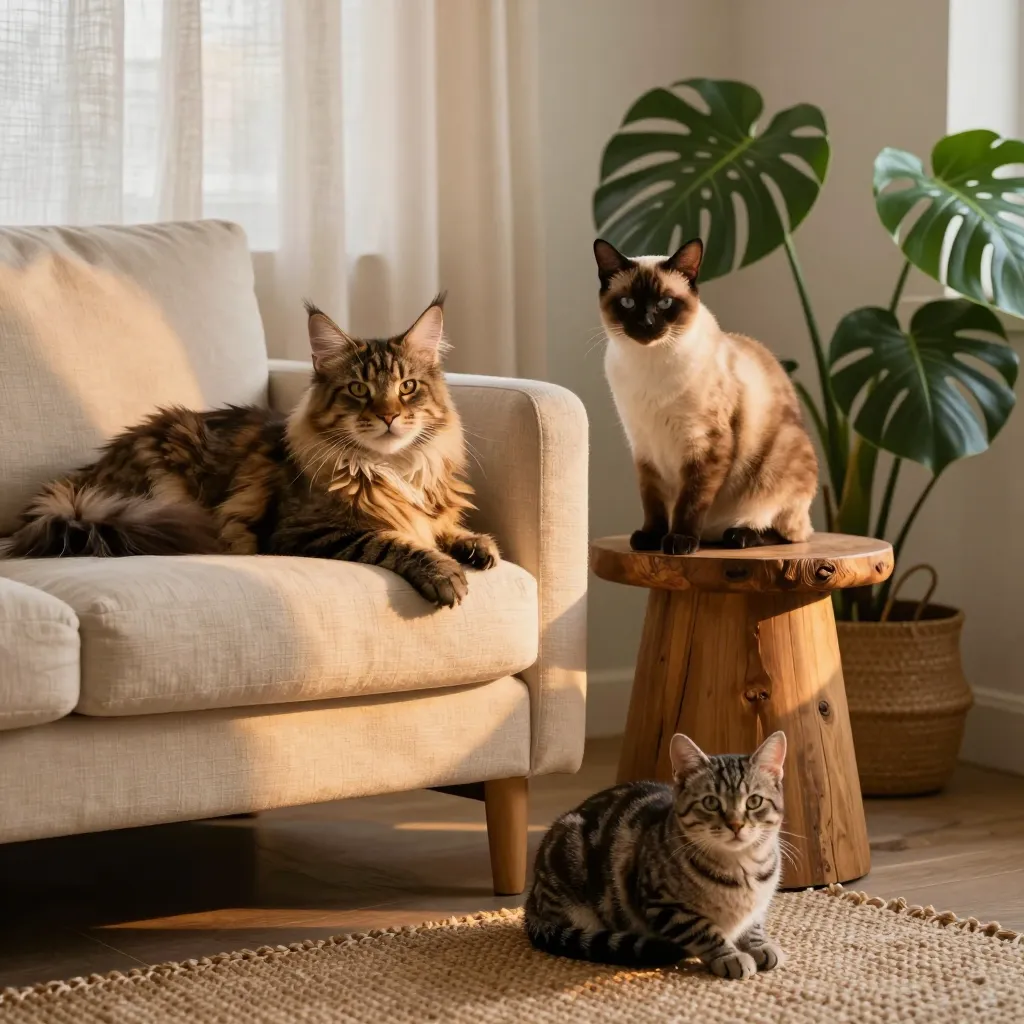
From the gentle Maine Coon to the vocal Siamese, our guide explores physical traits, temperaments, and care needs of top breeds. Learn about grooming requirements and genetic health to ensure you choose a feline friend that perfectly fits your lifestyle and home.
The provided source material contains an error message and does not include an article or specific cat breed information to rewrite[cite: 1]. Consequently, a new article cannot be generated from that specific HTML content[cite: 1].
However, within the context of a Cat Breeds Guide for Pawvibe, a comprehensive overview of popular cat breeds typically includes the following factual and educational information:
Understanding Cat Breed Classifications
Cat breeds are generally categorized by the Governing Council of the Cat Fancy (GCCF) or the Cat Fanciers' Association (CFA) based on physical traits and lineage. These classifications help owners understand a cat's potential size, coat type, and general temperament.
Popular Long-Haired Breeds
- Maine Coon: Known as the "gentle giant," this breed is one of the largest domesticated cats. They possess water-resistant fur and a bushy tail designed for cold climates.
- Persian: Recognizable by their round faces and shortened muzzles, Persians require daily grooming to maintain their long, thick coats.
- Ragdoll: These cats are famous for their docile nature and tendency to go limp when picked up. They typically have blue eyes and pointed coats.
Popular Short-Haired Breeds
- British Shorthair: A sturdy, "cobby" breed known for its dense, plush coat and prominent whisker pads.
- Siamese: An ancient breed characterized by striking blue almond-shaped eyes, large ears, and a vocal, social personality.
- Bengal: Developed by breeding domestic cats with the Asian Leopard Cat, this breed is known for its distinctive marbled or spotted coat patterns and high energy levels.
Key Considerations for Breed Selection
When choosing a breed, prospective owners should evaluate several health and lifestyle factors:
- Grooming Requirements: Long-haired breeds often require daily brushing to prevent matting, while short-haired breeds may only need weekly maintenance.
- Activity Levels: High-energy breeds like the Abyssinian or Bengal require significant mental stimulation and physical play, whereas breeds like the Exotic Shorthair are more sedentary.
- Genetic Health: Certain breeds are predisposed to specific conditions, such as Hypertrophic Cardiomyopathy (HCM) in Maine Coons or Polycystic Kidney Disease (PKD) in Persians.
- Social Needs: Some breeds are highly independent, while others, often referred to as "velvet" or "shadow" cats, prefer constant human companionship.