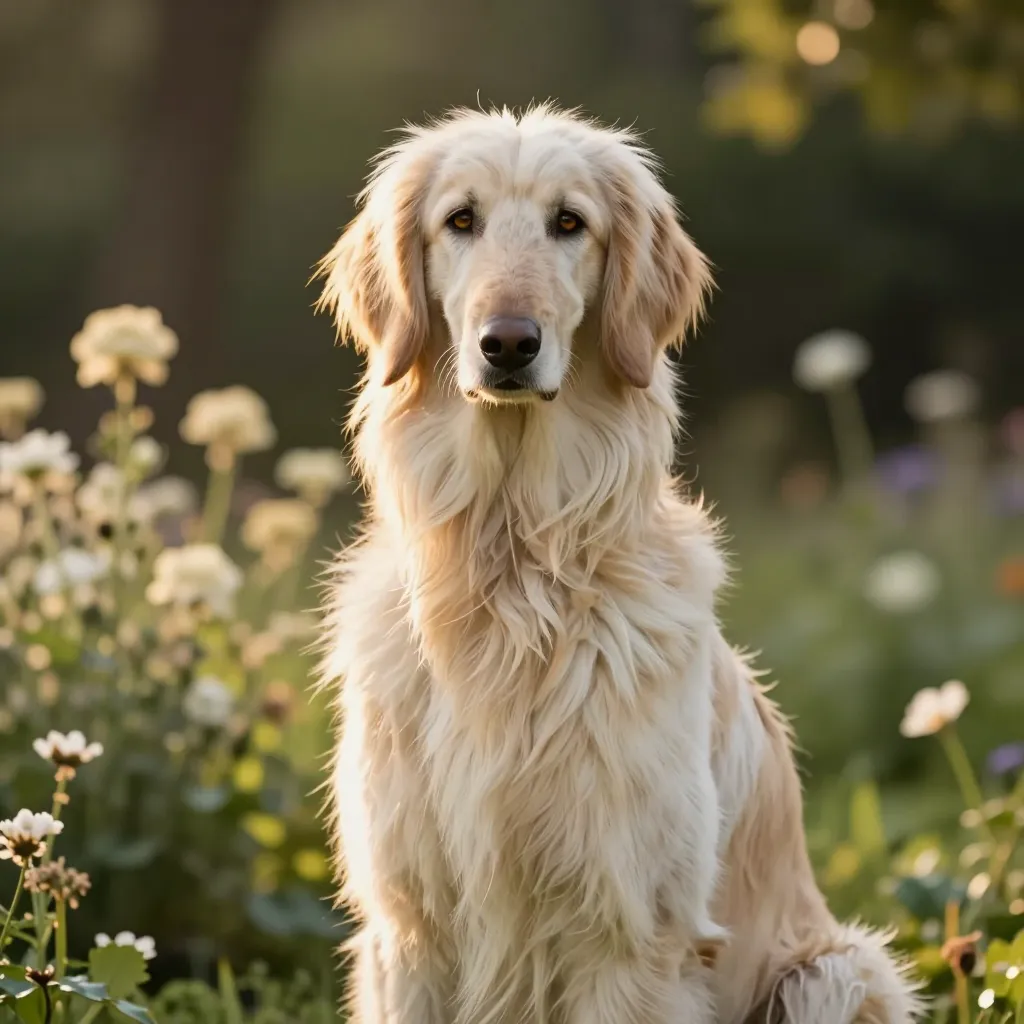
Afador Guide: The Unique Afghan Hound and Labrador Retriever Mix
The Afador is a rare first-generation cross between the Afghan Hound and Labrador Retriever. This guide explores their unique appearance, energetic personality, and specialized care needs, making them the perfect companion for active owners seeking a truly one-of-a-kind dog.
Afador: The Afghan Hound–Labrador Mix You Didn't Know You Needed
If you've ever wished you could combine the regal elegance of an Afghan Hound with the boundless warmth of a Labrador Retriever, meet the Afador — a hybrid that does exactly that. This striking mixed breed brings together two very different personalities into one loyal, energetic, and deeply affectionate companion.
What Is an Afador?
The Afador is a first-generation hybrid between the Afghan Hound and the Labrador Retriever. Though the breed originated in the United States, it doesn't yet have a standardized appearance or temperament profile the way purebreds do — which means each Afador is genuinely one of a kind.
At a glance:
- Size: Medium (50–75 lbs, 20–29 inches tall)
- Lifespan: 10–12 years
- Coat: Variable — often a mix of the Lab's short, dense fur and the Afghan's longer, silkier strands
- Temperament: Loyal, energetic, affectionate, and occasionally stubborn
- Best for: Active families with older children, experienced dog owners
Appearance and Coat
The Afador's look is hard to pin down — and that's part of the charm. Some inherit the lean, graceful frame of the Afghan Hound with a more expressive, friendly face reminiscent of the Lab. Others lean heavily toward one parent or the other.
Coat colors vary widely and can include black, brown, cream, fawn, and brindle combinations. The coat length and texture also differ from dog to dog — some Afadors have plush, flowing fur on their ears and tail with a shorter body coat, while others are more uniformly short-haired.
Grooming needs depend on which parent's coat dominates. Afghan-leaning coats require regular brushing to prevent tangles and mats. Lab-type coats are lower maintenance but still shed moderately year-round.
Afador Personality and Temperament
The Afador's personality is a fascinating blend of two very different dogs. Labs are famously social, eager-to-please, and exuberant. Afghan Hounds, by contrast, are known for their independence, aloofness with strangers, and strong-willed nature. The Afador lands somewhere in between.
What you can generally expect:
- Loyal and bonded: Afadors form deep attachments to their families and thrive on companionship. They don't do well with long periods of isolation.
- Energetic: These dogs need real exercise — not just a stroll around the block. Daily runs, fetch sessions, or off-leash play are ideal.
- Affectionate at home: Once comfortable, the Afador is a snuggly, warm presence. Expect them to follow you from room to room.
- Cautious with strangers: Thanks to the Afghan Hound influence, some Afadors can be reserved or aloof with new people. Early socialization helps enormously.
- Occasionally stubborn: The Afghan Hound's independent streak can show up during training. Patience and consistency matter more than force.
Are Afadors Good with Kids and Other Pets?
Afadors can be wonderful with children — but they tend to do better with older kids (ages 8 and up) than with toddlers. During play, Afadors can become boisterous and accidentally knock over small children. Their energy and size mean supervised interaction is important until both the dog and child learn how to engage with each other safely.
With other dogs, Afadors are generally sociable, especially when raised alongside them. The bigger consideration is smaller animals. Afghan Hounds have a well-documented prey drive, and that instinct can carry into the Afador. Cats, rabbits, and guinea pigs in the home should be introduced carefully and gradually — and it's important to establish early that smaller housemates are family, not prey.
Training an Afador
Training an Afador requires more patience than training a purebred Lab, but it's absolutely manageable with the right approach.
Key training principles:
- Start early. The earlier you begin training and socialization, the better. Puppies that meet a wide variety of people, animals, and environments grow into confident, adaptable adults.
- Use positive reinforcement. Harsh corrections don't work well with this breed. Reward-based training — treats, praise, play — keeps the Afador engaged and willing.
- Keep sessions short and varied. Long, repetitive drills can bore the Afghan Hound side of this dog. Mix up activities to hold their attention.
- Be consistent. Inconsistent rules lead to confusion and stubbornness. Everyone in the household should be on the same page.
- Leash training is essential. Afadors have a wandering instinct. A solid recall and reliable leash manners are non-negotiable for safety.
Exercise Requirements
The Afador is an active, high-energy dog. Expect to dedicate at least 60 minutes per day to vigorous exercise. This breed isn't suited to a sedentary lifestyle — an under-exercised Afador is likely to become destructive, anxious, or vocal.
Good exercise options include:
- Long-distance runs or jogs
- Fetch and retrieval games
- Swimming (Labs love it, and many Afadors do too)
- Hiking on trails — new sights and smells provide mental stimulation alongside physical activity
- Off-leash play in a securely fenced yard
Mental enrichment is just as important as physical exercise. Puzzle feeders, scent work, and learning new tricks all help keep the Afador's sharp mind occupied.
Afador Health
Afadors are generally healthy dogs, benefiting from the genetic diversity of being a mixed breed. However, they can inherit health predispositions from either parent line.
Conditions to be aware of:
- Hip and elbow dysplasia — common in larger breeds and Labs in particular
- Eye conditions — Afghan Hounds are prone to certain hereditary eye disorders
- Allergies — skin and food allergies can occur in both parent breeds
- Weight gain — the Lab's love of food can lead to obesity without portion control and adequate exercise
Routine veterinary check-ups, appropriate vaccinations, and dental care go a long way toward keeping your Afador healthy through their full lifespan of 10–12 years.
Feeding Your Afador
As a medium-to-large, high-energy dog, the Afador does best on a quality diet formulated for active breeds. Portion sizes should reflect the dog's age, weight, and activity level.
Labs are notorious for overeating, and that appetite may show up in the Afador as well. Avoid free-feeding, and measure meals rather than guessing. Obesity puts significant stress on joints — especially relevant for a breed already predisposed to hip dysplasia.
Feeding guidelines change as dogs age. Puppies need nutrient-dense food to support growth; adults need balanced maintenance diets; seniors may benefit from lower-calorie formulas. Your vet is the best resource for tailoring a feeding plan to your specific dog.
Is the Afador Right for You?
The Afador is a rewarding companion for the right household — but it's not the easiest first dog. Here's an honest summary:
| Factor | What to Know |
|---|---|
| Experience level | Better suited to owners with some dog experience; the stubborn streak can challenge first-timers |
| Living space | Adaptable, but needs outdoor exercise regardless of home size |
| Time commitment | High — daily exercise, training, and companionship are essential |
| Grooming | Moderate, depending on coat type |
| Family fit | Great with older children; needs careful introduction to cats and small animals |
If you're an active person or family who has time to invest in training and exercise, the Afador will reward you with fierce loyalty, playful energy, and a whole lot of heart.
Finding an Afador
Because the Afador is a mixed breed, breed-specific rescues are rare. Your best starting point is reaching out to Afghan Hound or Labrador Retriever rescue organizations, as they frequently take in and rehome mixed-breed dogs. Local shelters and breed-specific Facebook groups are also worth exploring.
If you're working with a breeder, take your time to vet them carefully. A responsible breeder will health-test their parent dogs, socialize puppies from an early age, and be transparent about any known health history in their lines. Avoid any breeder who can't answer basic health questions or who has multiple litters available at all times.
The Afador is proof that two very different dogs can come together to create something genuinely special. With the right home, training, and care, this hybrid makes an intelligent, devoted, and beautifully unique companion.