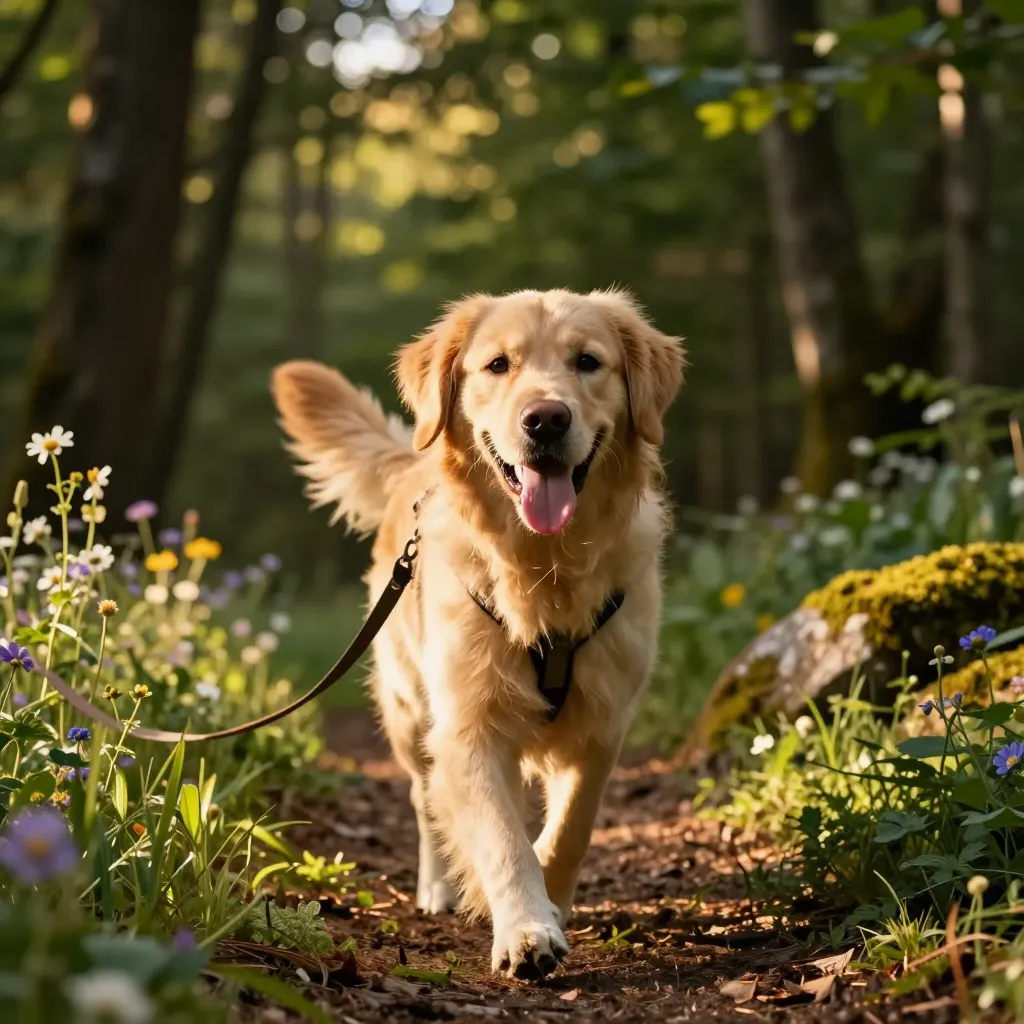
Building a Healthy Exercise Routine for Your Dog
Learn how to create a balanced canine fitness program with aerobic, strength, and flexibility exercises. This guide helps you tailor routines for puppies, adults, and seniors, ensuring safe and effective activity. Boost your dog's physical and mental wellbeing through consistent, engaging exercise.
Building a Healthy Exercise Routine for Your Dog
Regular physical activity is one of the cornerstones of canine wellbeing. Beyond maintaining a healthy weight and keeping muscles supple, a thoughtfully designed exercise program strengthens the bond between you and your dog while providing essential mental stimulation.
Before diving into a new fitness plan, it's important to understand the fundamentals of safe, effective canine conditioning. Here's what veterinary rehabilitation specialists and certified canine fitness coaches emphasize when developing exercise routines for dogs of all ages and abilities.
Understanding Your Dog's Exercise Needs
Every dog is different. Factors like age, breed, health status, and individual temperament all influence how much and what type of exercise is appropriate. A young Border Collie has vastly different requirements than a senior Basset Hound, and a dog recovering from injury needs carefully managed activity levels.
Start by assessing your dog's current fitness level. Can they handle a 30-minute walk without fatigue? Do they recover quickly after play sessions? Are there any underlying health conditions that might limit certain activities? When in doubt, consult your veterinarian—especially for dogs with joint issues, heart conditions, or those who have been largely sedentary.
The Components of Canine Fitness
A well-rounded exercise routine typically includes three key elements:
Aerobic Activity builds cardiovascular health and endurance. This includes brisk walking, jogging (for appropriate breeds), swimming, and sustained play. Most adult dogs benefit from 20-60 minutes of aerobic exercise daily, depending on their condition and breed characteristics.
Strength Training develops muscle tone and supports joint health. Canine conditioning exercises like sit-to-stands, weight shifting, and targeted core work help build functional strength. These activities are particularly valuable for senior dogs maintaining mobility and athletic dogs preventing injury.
Flexibility and Balance work keeps your dog limber and coordinated. Simple stretches, balance exercises on unstable surfaces, and controlled movements through various planes of motion all contribute to overall physical resilience.
Making Exercise Mentally Engaging
Physical activity becomes more valuable when it engages your dog's brain. Incorporate training into exercise sessions—practice recalls during off-leash time, teach new tricks between fetch throws, or use puzzle toys that require movement to solve.
Scent work is an excellent example of combined physical and mental exercise. Allowing your dog to explore natural environments with their nose provides low-impact activity that satisfies their instinctual needs. Even a slow "sniff walk" offers meaningful enrichment.
Special Considerations for Different Life Stages
Puppies require carefully managed exercise. Their growing bodies are vulnerable to damage from excessive high-impact activity. Short, frequent play sessions and controlled walks on soft surfaces are preferable to long runs or repetitive jumping. Follow the general guideline of five minutes of exercise per month of age, up to twice daily.
Adult dogs in their prime can typically handle more vigorous and varied activities. This is the ideal time to explore dog sports, hiking, swimming, or agility training—provided you build intensity gradually and watch for signs of overexertion.
Senior dogs often need modified routines that protect aging joints while maintaining muscle mass. Low-impact options like swimming, gentle hill walking, and therapeutic exercises keep them active without causing pain or injury. Regular, moderate activity actually helps manage arthritis and cognitive function in older dogs.
Recognizing When to Modify
Pay attention to your dog's signals. Excessive panting, lagging behind, limping, or reluctance to continue are clear indicators to stop and rest. Hot weather, cold surfaces, and humid conditions all require adjustments to duration and intensity.
Dogs with special needs—whether visual impairment, amputations, or neurological conditions—can absolutely maintain active lifestyles with appropriate adaptations. Working with a professional who understands canine rehabilitation ensures these dogs get safe, beneficial exercise tailored to their capabilities.
Building Consistency
The most effective exercise routine is one you'll actually maintain. Design a program that fits realistically into your schedule, even if that means shorter, more frequent sessions rather than occasional lengthy outings. Consistency matters more than intensity.
Remember that exercise is also an opportunity to observe your dog closely. Regular activity helps you notice subtle changes in gait, energy, or enthusiasm that might indicate developing health issues worth discussing with your veterinarian.
A thoughtful approach to canine fitness pays dividends throughout your dog's life—supporting physical health, mental wellbeing, and the special relationship you share.