Ragdoll Cat Guide: Temperament, Care & Why They Go Limp When Held
The Ragdoll cat breed is famous for going limp when held, vivid blue eyes, and a dog-like devotion to owners. This guide covers everything from grooming their silky coat to managing their relaxed lifestyle, plus essential health tips for keeping your gentle giant thriving.
Understanding the Ragdoll Cat: Temperament, Care, and Characteristics
The Ragdoll is one of the most recognizable and beloved cat breeds in the world, known primarily for its striking blue eyes and its unique, docile temperament. Often described as "dog-like" due to its tendency to follow owners from room to room, the Ragdoll offers a distinct companionship style that sets it apart from more independent feline breeds.
Distinctive Physical Traits
Ragdolls are large, sturdy cats with a semi-longhair coat that feels remarkably soft to the touch. While their size is impressive, their physical presence is balanced by a gentle, relaxed posture.
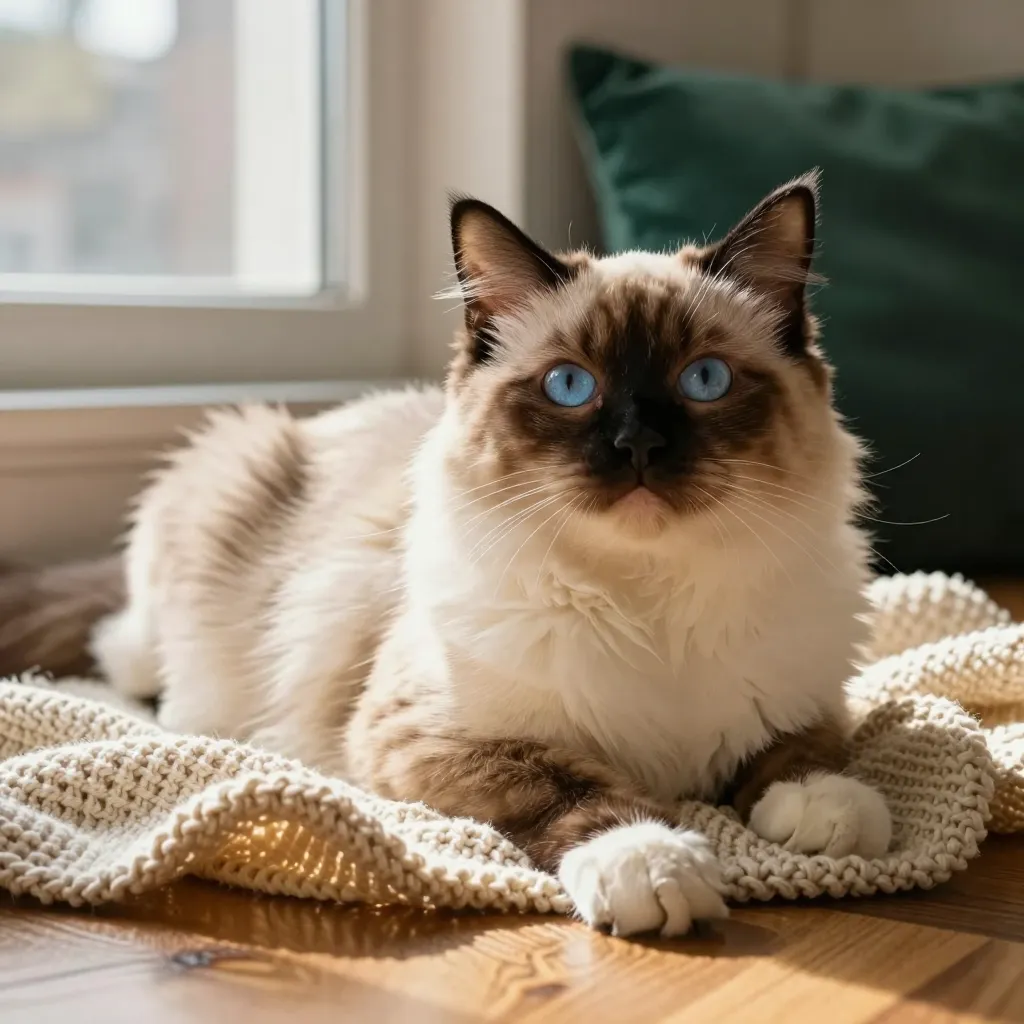
- Eye Color: One of the breed's most defining features is its large, oval-shaped eyes, which are always a vivid blue.
- Coat Texture: Their fur is silky and lacks a thick undercoat, which helps reduce excessive matting, though regular grooming remains essential.
- Colorpoint Patterning: Ragdolls are colorpoint cats, meaning their bodies are lighter in color while their extremities—the ears, face, tail, and legs—feature darker pigmentation.
- Size and Build: They are heavy-boned cats. Males are significantly larger than females, often reaching substantial weights that reflect their muscular yet soft build.
Temperament and Personality
The name "Ragdoll" is derived from the breed's tendency to go limp with relaxation when held. This physical response is a hallmark of their laid-back and trusting nature.
Social Interaction
Unlike many cats that prefer solitary activities, Ragdolls thrive on human interaction. They are highly social animals that enjoy being part of family activities, whether that means sitting on a lap during a movie or following a caregiver through the kitchen.
Adaptability
Because of their calm demeanor, Ragdolls generally adapt well to various living situations. They can coexist peacefully with other cats and, if socialized properly, tend to be patient with dogs and children. Their predictable temperament makes them an excellent choice for families looking for a gentle companion.
Essential Care Requirements
To ensure a Ragdoll lives a long, healthy, and happy life, owners must attend to specific grooming and environmental needs.
Grooming Needs
While their coat is less prone to tangles than some other longhaired breeds, it still requires consistent maintenance.
- Brushing: Weekly brushing with a wide-tooth comb or a soft brush is necessary to remove loose fur and prevent mats.
- Shedding: They do shed, particularly during seasonal changes, so frequent grooming helps manage hair around the home.
Nutrition and Weight Management
Due to their large frames and tendency toward a relaxed lifestyle, monitoring caloric intake is vital. Ragdolls can be prone to obesity if they are not sufficiently active or if they are overfed. High-quality protein-rich food tailored to their life stage (kitten, adult, or senior) is recommended to maintain muscle mass and healthy weight.
Enrichment and Exercise
While they are not high-energy "zoomie" cats, Ragdolls still require mental and physical stimulation.
- Interactive Play: Using wand toys or feather teasers can encourage natural hunting instincts and provide necessary exercise.
- Vertical Space: Providing cat trees or window perches allows them to observe their environment, which provides mental enrichment.
Health Considerations
Ragdolls are generally robust, but like all purebred cats, they may be predisposed to certain genetic conditions.
- Hypertrophic Cardiomyopathy (HCM): This is a common form of heart disease in many cat breeds, characterized by the thickening of the heart muscle. Responsible breeders screen for genetic markers to minimize this risk.
- Bladder Health: Maintaining consistent hydration is important for all cats to prevent urinary tract issues. Providing fresh water via fountains can often encourage more frequent drinking.
By understanding the specific social needs and physical characteristics of the Ragdoll, owners can provide a nurturing environment that allows this gentle breed to truly flourish as a member of the family.