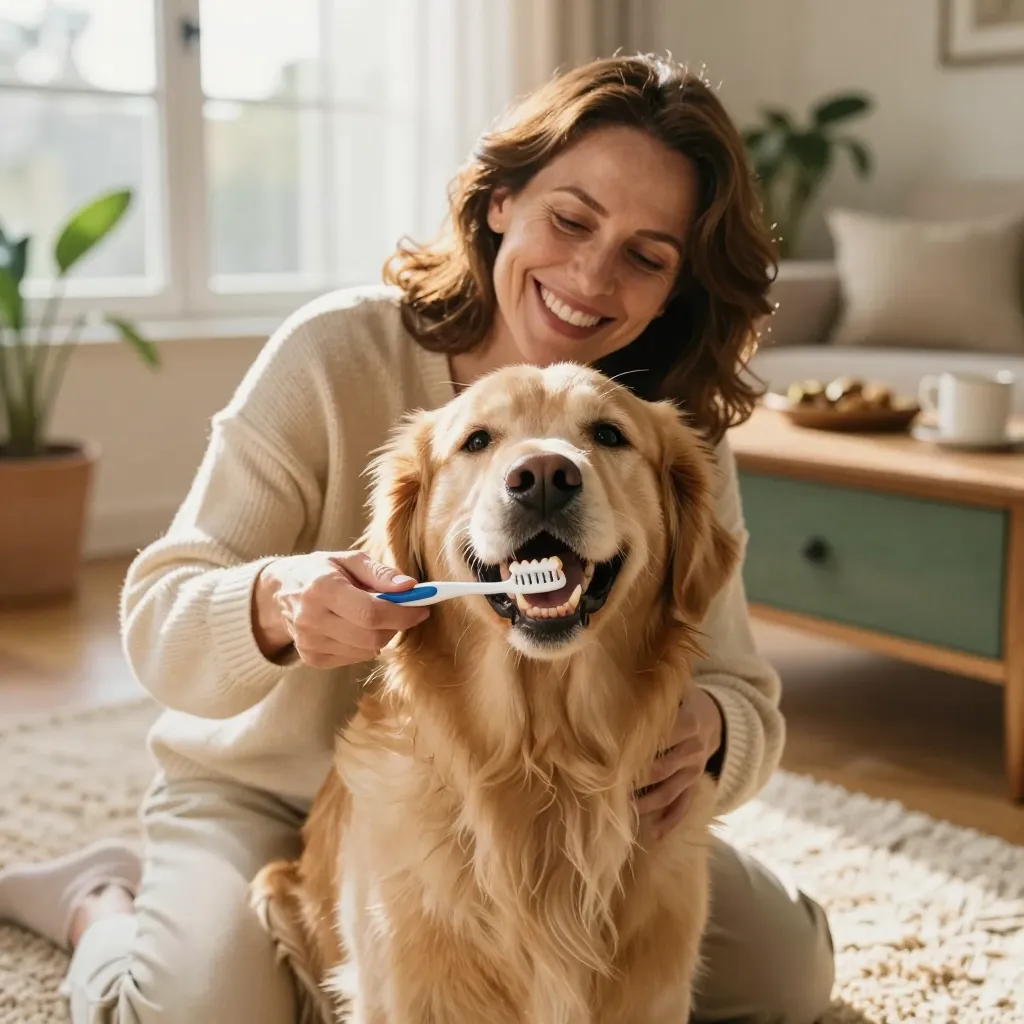
Dog Dental Health Guide: Essential Care for Happier, Healthier Pets
Oral health is vital for your pet's longevity. This guide covers the stages of dental disease, how to spot subtle signs of pain, and effective at-home brushing strategies. Perfect for pet owners looking to improve their companion's wellness and prevent serious systemic health complications.
Dog Dental Health: A Complete Guide for Happier, Healthier Pets
Oral health is a major part of your pet’s overall wellbeing, yet it’s often overlooked. Dental disease is one of the most common health issues in both dogs and cats, and it can affect everything from their appetite to their heart and kidneys.
This guide walks through what’s normal, what’s not, and how to care for your dog or cat’s teeth at home—plus when it’s time to see the vet.
Why Dental Health Matters for Dogs and Cats
Healthy teeth and gums do much more than keep your pet’s breath fresh. Good oral care helps:
- Prevent pain and tooth loss
- Maintain a healthy appetite and normal chewing
- Reduce bacteria that can enter the bloodstream
- Lower the risk of heart, liver, and kidney problems linked to advanced gum disease
- Improve quality of life and longevity
Ignoring dental care doesn’t just cause bad breath; it can lead to chronic infection and serious health complications over time.
How Dental Disease Develops
Dental disease usually happens in stages. Understanding the process helps you spot issues earlier.
1. Plaque Formation
- After your pet eats, food particles and saliva mix with bacteria.
- This creates a soft, sticky film called plaque that coats the teeth.
- Plaque starts forming within hours of eating.
2. Tartar (Calculus) Buildup
- If plaque is not removed, minerals in saliva harden it into tartar (calculus).
- Tartar is the rough, yellow or brown material you see on teeth, especially near the gums.
- It creates an ideal surface for more bacteria to attach and multiply.
3. Gingivitis
- Bacteria in plaque and tartar irritate the gum tissue.
- Gums become red, swollen, and may bleed easily.
- This stage is called gingivitis and is still reversible with proper dental care.
4. Periodontal Disease
If gingivitis is not treated, it can progress:
- The inflammation extends deeper under the gumline.
- Supporting structures of the teeth—ligaments and bone—begin to break down.
- Pockets form around teeth, trapping more bacteria and debris.
- Teeth become loose and painful, and some may fall out.
Periodontal disease is not fully reversible. Treatment focuses on cleaning, slowing progression, and managing pain and infection.
Signs of Dental Problems in Dogs and Cats
Pets often hide discomfort, so subtle changes can be your first clue. Watch for:
- Bad breath (persistent, foul odor)
- Visible tartar: yellow or brown buildup on teeth
- Red, swollen, or bleeding gums
- Drooling more than usual or drool with blood
- Chewing on one side of the mouth or dropping food
- Pawing at the mouth or rubbing the face
- Reluctance to eat hard food, or eating more slowly
- Swelling around the face or under the eyes (possible abscess)
- Loose, missing, or broken teeth
- Behavior changes: irritability, avoiding head petting
Any of these signs warrant a veterinary dental check.
Risk Factors for Dental Disease
Some pets are more prone to oral problems than others.
Species and Size
- Small dog breeds (e.g., Chihuahuas, Yorkies, Toy Poodles) often have crowded teeth, which trap more plaque.
- Brachycephalic breeds (flat-faced dogs and cats, like Pugs, Bulldogs, Persian cats) are at higher risk due to jaw structure.
- Cats can develop unique conditions such as tooth resorption and feline gingivostomatitis.
Age
- Risk increases with age, but dental disease can start as early as 2–3 years old.
- Senior pets often have more advanced issues and may need more frequent cleanings.
Diet and Chewing Habits
- Soft, sticky foods tend to cling to teeth more than some dry foods.
- Pets that rarely chew on safe dental chews or toys may accumulate plaque faster.
Home Care and Genetics
- Lack of tooth brushing or dental care speeds up plaque and tartar buildup.
- Genetics can make some pets more susceptible even with good care.
At-Home Dental Care for Dogs and Cats
Consistent home care is the most effective way to protect your pet’s teeth between vet visits.
1. Brushing Your Pet’s Teeth
Tooth brushing is the gold standard.
Tools you’ll need:
- Pet-specific toothbrush (or finger brush)
- Pet-safe toothpaste (never use human toothpaste—fluoride and xylitol are dangerous to pets)
How to start:
Get them used to handling
- Gently lift their lips and touch their teeth and gums.
- Reward with praise or a small treat.
Introduce toothpaste
- Let your pet lick a bit off your finger so they get used to the flavor.
Begin gentle brushing
- Use small circular motions, focusing on the outer surfaces of the teeth (where plaque builds fastest).
- Start with just a few teeth and gradually increase the time.
Aim for consistency
- Ideal: daily brushing
- Minimum: several times per week
Go slowly and keep sessions short and positive.
2. Dental Diets and Treats
Certain products are designed to support oral health:
- Dental diets: Some veterinary diets are formulated to reduce plaque and tartar through kibble texture and specific nutrients.
- Dental chews: Chewing can help mechanically clean teeth and stimulate saliva, which naturally helps control bacteria.
Look for products that have been tested and approved by veterinary dental organizations when possible. Always factor in calories to avoid weight gain.
3. Chew Toys
For dogs, appropriate chew toys can assist in controlling plaque:
- Choose toys with some texture but not rock-hard (to avoid tooth fractures).
- Avoid chewing on bones, antlers, hard nylon, or stones, which can crack teeth.
- A good general rule: if you can’t make a dent with your fingernail, it’s too hard for your dog’s teeth.
For cats, some dental-specific treats and toys can encourage chewing, but brushing is still more effective.
4. Water Additives and Gels
- Some water additives and oral gels are designed to reduce bacterial load and plaque formation.
- These can be helpful for pets who absolutely will not tolerate brushing, but they should supplement, not replace, mechanical cleaning.
Discuss specific products with your veterinarian to find what fits your pet’s needs.
Professional Dental Care at the Veterinary Clinic
Home care and professional care work best together.
Dental Exams
At routine checkups, your vet will:
- Inspect teeth and gums for plaque, tartar, inflammation, loose teeth, and masses
- Evaluate breath odor and any signs of pain
- Recommend when a full dental cleaning is needed
Many pets need professional cleaning every 1–2 years; some need it more frequently.
Professional Dental Cleaning (Under Anesthesia)
A complete veterinary dental procedure typically includes:
Pre-anesthetic evaluation
- Physical exam and often bloodwork to check organ function and anesthesia safety.
Anesthesia and monitoring
- Keeps your pet still and pain-free.
- Allows cleaning under the gumline and thorough exam.
- Vital signs are monitored throughout.
Full-mouth exam and dental X-rays
- X-rays reveal problems below the gumline: roots, bone loss, abscesses, and resorptive lesions (especially common in cats).
Scaling and polishing
- Ultrasonic and hand instruments remove plaque and tartar above and below the gumline.
- Teeth are then polished to smooth surfaces and slow future buildup.
Treatment of problem teeth
- Severely loose, infected, or damaged teeth may need to be extracted.
- Additional treatments (such as local antibiotics) may be used in some cases.
Recovery and aftercare
- Most pets go home the same day.
- Soft food and pain management may be recommended for a short period.
Why Anesthesia Is Important
Non-anesthetic “cleanings” can remove some visible tartar, but they:
- Cannot clean under the gumline properly
- Cannot address pain or extract diseased teeth
- May be stressful or risky if the animal struggles
For thorough treatment and accurate diagnosis, anesthesia is considered the standard of care.
Special Dental Issues in Dogs
Fractured Teeth
Common causes:
- Chewing very hard objects (bones, antlers, rocks, hard nylon)
- Trauma (falls, accidents)
Complications:
- Exposure of the pulp (nerve) leads to pain and infection.
- Broken teeth may require extraction or root canal therapy.
Malocclusions (Bad Bites)
- Some dogs are born with misaligned jaws or overcrowded teeth.
- Teeth may hit soft tissue, causing sores and chronic discomfort.
- Treatment can include selective extractions or, in some cases, orthodontic-style interventions.
Special Dental Issues in Cats
Cats develop some unique oral diseases that can be very painful.
Tooth Resorption
- Parts of the tooth (often at the neck near the gumline) begin to break down.
- Often extremely painful but may be hidden beneath the gums.
- Dental X-rays are essential for diagnosis.
- Treatment typically involves extraction of affected teeth.
Feline Gingivostomatitis
- Severe, widespread inflammation of the gums and tissues in the back of the mouth.
- Linked to an abnormal immune response and sometimes viral infections.
- Signs include intense redness, drooling, bad breath, and difficulty eating.
- Management may involve extensive dental extractions and long-term medical care.
Dental Care Through the Life Stages
Puppies and Kittens
Focus on:
- Getting them comfortable with mouth handling and tooth brushing early.
- Monitoring for retained baby teeth that don’t fall out when adult teeth come in (common in small dogs).
- Correcting issues early to avoid overcrowding and plaque traps.
Adult Pets
Priorities:
- Establish a consistent home care routine (brushing, chews, dental diets as needed).
- Regular veterinary exams and dental cleanings as recommended.
- Watch for subtle changes in eating, chewing, or breath.
Senior Pets
Extra attention to:
- More frequent dental checks, as disease can progress quickly.
- Balancing dental procedures with overall health and anesthesia risks.
- Adjusting pain control and diet texture after extractions or for sensitive mouths.
Practical Tips for Easier Dental Care
- Introduce dental routines gradually and make them positive with praise and gentle handling.
- Choose toothpastes in flavors your pet enjoys (poultry, fish, or malt for many dogs and cats).
- Add one tool at a time: start with brushing, then consider chews or water additives if needed.
- Keep up with dental rechecks after cleanings to monitor healing and plan long-term care.
Healthy teeth and gums can significantly improve your dog or cat’s comfort and long-term wellbeing. With regular home care and appropriate veterinary support, most dental issues can be prevented or managed before they become severe.