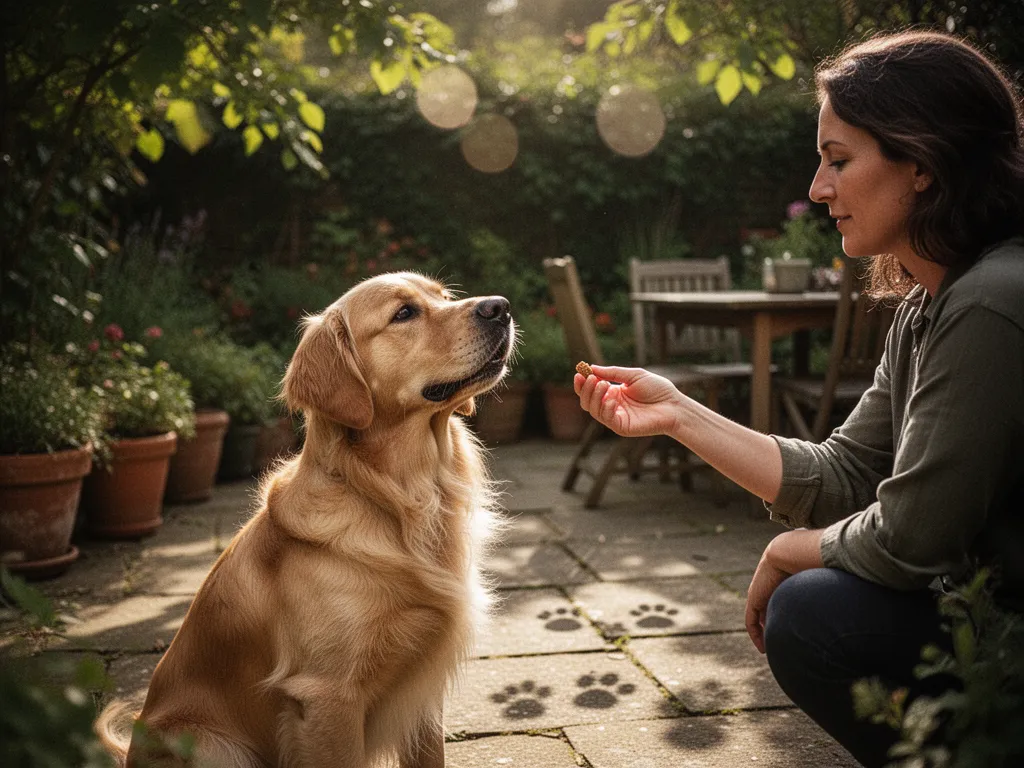
Essential Dog Training: Building a Strong Bond with Your Pet
Learn practical, positive training methods to teach essential commands like sit, come, and stay. Address common behavioral issues and tailor your approach to your dog's age and breed. Build a lifetime of trust and joy with your beloved pet.
Building a Strong Bond: Essential Dog Training for a Happy, Well-Adjusted Pet
Training your dog is one of the most rewarding investments you can make in your relationship. It goes far beyond teaching commands; it establishes clear communication, builds trust, and creates a framework for a harmonious life together. A well-trained dog is typically a safer, more confident, and more integrated member of the family. This guide focuses on practical, positive methods to help you and your canine companion thrive.
The Foundation: Positive Reinforcement
The most effective and humane training approach is positive reinforcement. This method centers on rewarding the behaviors you want to see more of. Rewards can be high-value treats, enthusiastic praise, a favorite toy, or a quick play session. The key is to mark the exact moment your dog performs the desired action (using a clicker or a consistent word like "Yes!") and then deliver the reward. This creates a clear association: that specific behavior equals good things. Avoid punishment-based techniques, which can damage your bond and often lead to fear or aggression.
Core Obedience Commands Every Dog Should Know
Mastering a few fundamental commands provides essential control and safety. Practice these in short, engaging sessions (5-10 minutes) multiple times a day, always ending on a positive note.
- Sit: One of the easiest to teach. Hold a treat near your dog's nose, then slowly move your hand up and back over their head. Their head will follow the treat, and their rear will naturally lower into a sit. Mark and reward the moment they sit.
- Come (Recall): This is the most critical command for safety. Start in a distraction-free environment. Crouch down, open your arms, and call your dog's name followed by "Come!" with a happy, encouraging tone. When they reach you, deliver a jackpot of praise and treats. Never call them for something unpleasant like a bath or leaving the park.
- Leave It / Drop It: These commands can prevent your dog from ingesting something dangerous. For "Leave It," place a treat in your open palm. Let your dog sniff and lick, but close your fist when they try to take it. Wait calmly until they back off, then mark and reward from your other hand. For "Drop It," offer a high-value treat in exchange for the item already in their mouth.
- Down: Similar to "Sit," but guiding the treat from their nose forward toward the floor. Once their elbows touch the ground, mark and reward.
- Stay: Builds on "Sit." After your dog sits, show an open palm and say "Stay." Take one small step back. If they hold position, return and reward. Gradually increase distance and duration.
Addressing Common Behavioral Challenges
Potty Training Success: Establish a rigid schedule—take your puppy out first thing in the morning, after meals, after naps, and before bedtime. Choose a specific potty spot and use a consistent cue like "Go potty." Praise and reward immediately after they eliminate outside. Supervise indoors constantly, and use a crate appropriately (it should be a cozy den, not a punishment space) to help them learn bladder control.
Leash Reactivity & Pulling: A dog that pulls makes walks stressful. Stop walking the moment the leash goes tight. Stand still like a tree until the leash loosens, then praise and continue. Consider a front-clip harness for better steering, but the key is teaching them that tension means the walk stops. For reactivity to other dogs or stimuli, increase distance from the trigger and reward calm observation with high-value treats—a process called counter-conditioning.
Jumping Up: Dogs jump for attention. The most effective cure is to completely ignore the behavior. Turn away, fold your arms, and say nothing. The moment all four paws are on the floor, mark and reward with calm praise. Ask for an incompatible behavior like "Sit" to give them a clear alternative.
Tailoring Your Approach: Age and Breed Considerations
A young puppy has a short attention span and needs frequent, fun sessions to build positive associations. Adolescent dogs (6-18 months) may test boundaries and require more patience and consistent reinforcement of rules. Senior dogs can still learn, but adjustments may be needed for physical comfort and slightly slower pace.
While every dog is an individual, breed tendencies can inform your strategy. Herding breeds (e.g., Border Collies, Australian Shepherds) often have a strong instinct to chase and may need extra focus on impulse control exercises. Scent hounds (e.g., Beagles) can be easily distracted by smells, so training in low-distraction areas first is crucial. Independent guardian breeds (e.g., Great Pyrenees) may require more motivation and patience to achieve reliable responses. Researching your dog's breed background can provide helpful context, but always train the dog in front of you.
The Path Forward: Consistency and Patience
Training is not a one-time event but a continuous process. Use the same cues and rules every time, and ensure all family members are on the same page. Shorter, frequent sessions are far more effective than long, frustrating ones. If you're encountering persistent fear, anxiety, or aggression, consult a certified professional dog trainer or a veterinary behaviorist. They can provide a customized behavior modification plan.
The ultimate goal is a joyful partnership. Celebrate small victories, and remember that every moment you spend training is an opportunity to deepen the connection with your beloved pet. With time, consistency, and positivity, you'll build a foundation of trust and respect that lasts a lifetime.