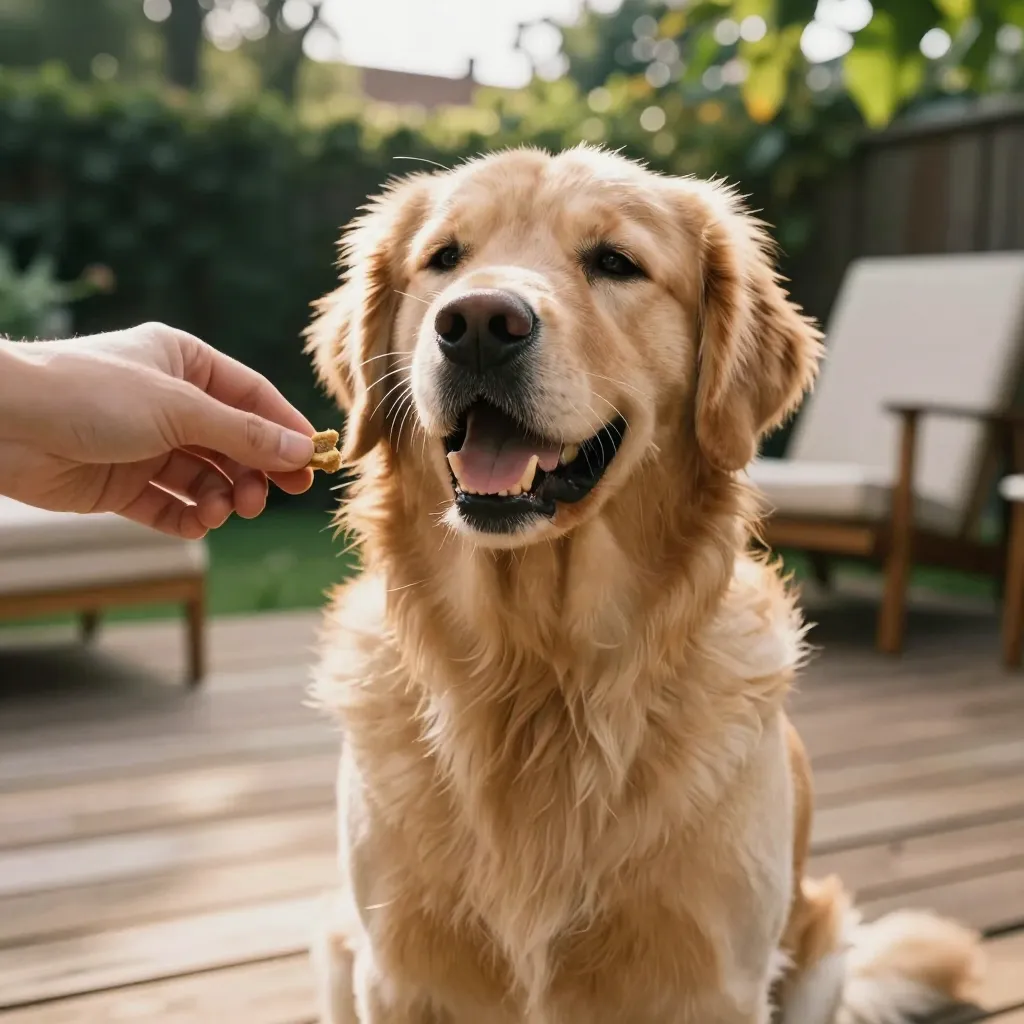
Positive Reinforcement Dog Training: 6 Tips for Training With Treats
Learn how to use high-value rewards effectively without creating a dependency on food. This guide covers timing, portion control, and phasing out treats to help dog owners build lasting habits and a stronger bond with their pets through positive reinforcement.
Positive Reinforcement Dog Training: Mastering the Use of Treats
Using food as a motivator is one of the most effective ways to communicate with your dog. In the world of positive reinforcement, treats serve as a clear signal to your pet that they have performed the correct action. [cite_start]However, there is a fine line between using a treat as a reward for a job well done and accidentally relying on it as a bribe to get your dog to listen. [cite: 105, 106]
[cite_start]Understanding how to strategically use high-value rewards will help you build a stronger bond with your dog while ensuring they remain responsive even when food isn't visible. [cite: 106]
The Difference Between Rewards and Bribes
The primary distinction between a reward and a bribe lies in the timing. A bribe is shown to the dog before the desired behavior occurs to lure them into performing it. [cite_start]This often leads to a dog who only listens when they know you have something for them. [cite: 106]
In contrast, a reward is delivered after the dog has successfully completed the task. [cite_start]By waiting until the behavior is finished to present the treat, you reinforce the action itself rather than the presence of the food. [cite: 105, 106]
6 Tips for Effective Treat-Based Training
- Keep Treats Hidden: To avoid the "bribing" trap, keep your treats in a pouch or pocket where your dog cannot see them. [cite_start]This teaches the dog to focus on your cues rather than your hands. [cite: 105]
- [cite_start]Use High-Value Rewards for New Skills: When teaching a brand-new behavior or working in a distracting environment, use "high-value" treats like small pieces of plain chicken or cheese to keep your dog's interest. [cite: 105]
- Keep Portions Small: Training sessions often involve many repetitions. [cite_start]Use pea-sized treats to prevent overfeeding and to keep the session moving quickly. [cite: 105]
- Reward Instantly: Timing is critical in positive reinforcement. [cite_start]Provide the treat within seconds of the correct behavior so the dog makes a clear connection between their action and the reward. [cite: 105]
- Vary the Rewards: Once a dog has mastered a skill, you don't need to give a high-value treat every single time. [cite_start]Mixing in praise, play, or lower-value kibble keeps the dog guessing and engaged. [cite: 105]
- Phase Out the Constant Food: As your dog becomes more reliable, move toward a variable schedule of reinforcement. [cite_start]Reward the best or fastest responses while occasionally substituting food with a "good dog" or a quick ear scratch. [cite: 105]
Building Lasting Habits
The ultimate goal of treat-based training is to create a dog that enjoys learning and feels confident in their environment. [cite_start]By focusing on rewards rather than bribes, you ensure that your dog’s good behavior is rooted in a solid understanding of your cues, creating a reliable and happy companion. [cite: 105, 106]