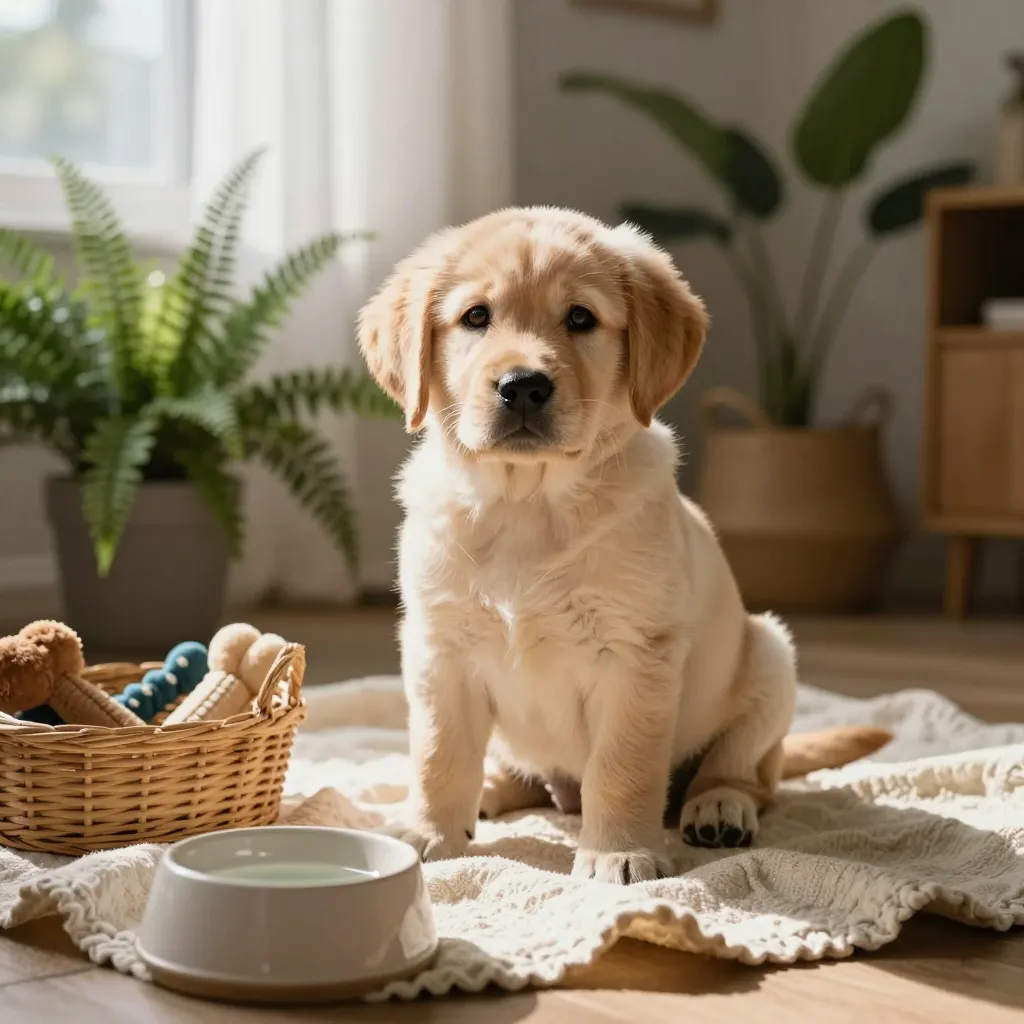
Is the Labrador Retriever Right for You? A Guide to Puppy Care
Thinking of adding a Labrador to your family? Learn about their temperament, health needs, and why these popular puppies require dedicated care. This guide helps prospective owners understand if they can provide the right environment for this active and affectionate breed.
Understanding Breed Preservation: Protecting the Future of Our Pets
Breed preservation is a dedicated effort to protect and maintain the unique characteristics, health, and history of established animal breeds. While often discussed in the context of rare or heritage livestock, it is equally vital for the dogs and cats that share our homes. By focusing on responsible breeding and genetic diversity, preservationists ensure that future generations of pet owners can experience the specific traits and temperaments that make each breed special.
Why Breed Preservation Matters
Every breed was originally developed with a purpose in mind—whether it was the Shetland Sheepdog’s instinct for herding, the Great Dane’s history as a protector, or the Havanese’s role as a charming companion. Preservation ensures these distinct legacies aren't lost to time or irresponsible breeding practices.
- Predictability: Preservation breeding helps maintain predictable traits in puppies and kittens, such as size, energy level, and temperament.
- Genetic Health: Dedicated breeders use preservation techniques to screen for hereditary conditions, working to reduce the prevalence of genetic diseases within a specific breed.
- Historical Significance: Many breeds are living pieces of history. Protecting them means honoring the cultures and traditions that first developed them.
Spotlight on Diverse Breeds
Preservation efforts span the entire spectrum of the pet world, from popular favorites to the rarest companions. Understanding the needs of different breeds is the first step for any prospective owner.
Giant and Large Breeds
Breeds like the Great Dane and the Tibetan Mastiff require specific care due to their size. Preservationists focus on maintaining sturdy bone structures and stable temperaments to ensure these "gentle giants" remain healthy and manageable in a home environment.
Small and Toy Breeds
The Maltese and Havanese have been beloved companions for centuries. Preservation in these breeds often focuses on maintaining their luxurious coats and affectionate, people-oriented personalities while screening for common small-dog health concerns.
Working and Herding Breeds
The Shetland Sheepdog, Pembroke Welsh Corgi, and the Miniature American Shepherd are known for their intelligence and high energy. Breed preservation ensures that their "work ethic" and mental sharpness remain intact, even if they are primarily living as family pets.
Rare and Unique Breeds
Some breeds, such as the Nederlandse Kooikerhondje, have smaller global populations. For these animals, preservation is a race against extinction. Breeders must carefully manage a limited gene pool to ensure the breed remains healthy and viable for years to come.
The Role of the Pet Owner
You don't have to be a professional breeder to support breed preservation. If you are considering adding a puppy or kitten to your family, you can contribute to these efforts by:
- Researching Extensively: Learn about the history and health requirements of a breed before committing.
- Supporting Responsible Breeders: Choose breeders who prioritize health testing and who are transparent about their breeding goals.
- Understanding Breed Needs: Every breed has unique requirements. Providing the right environment for a specific breed helps demonstrate that these animals can thrive in modern homes.
By valuing the distinct qualities of different breeds, we ensure a diverse and healthy future for the pets we love.