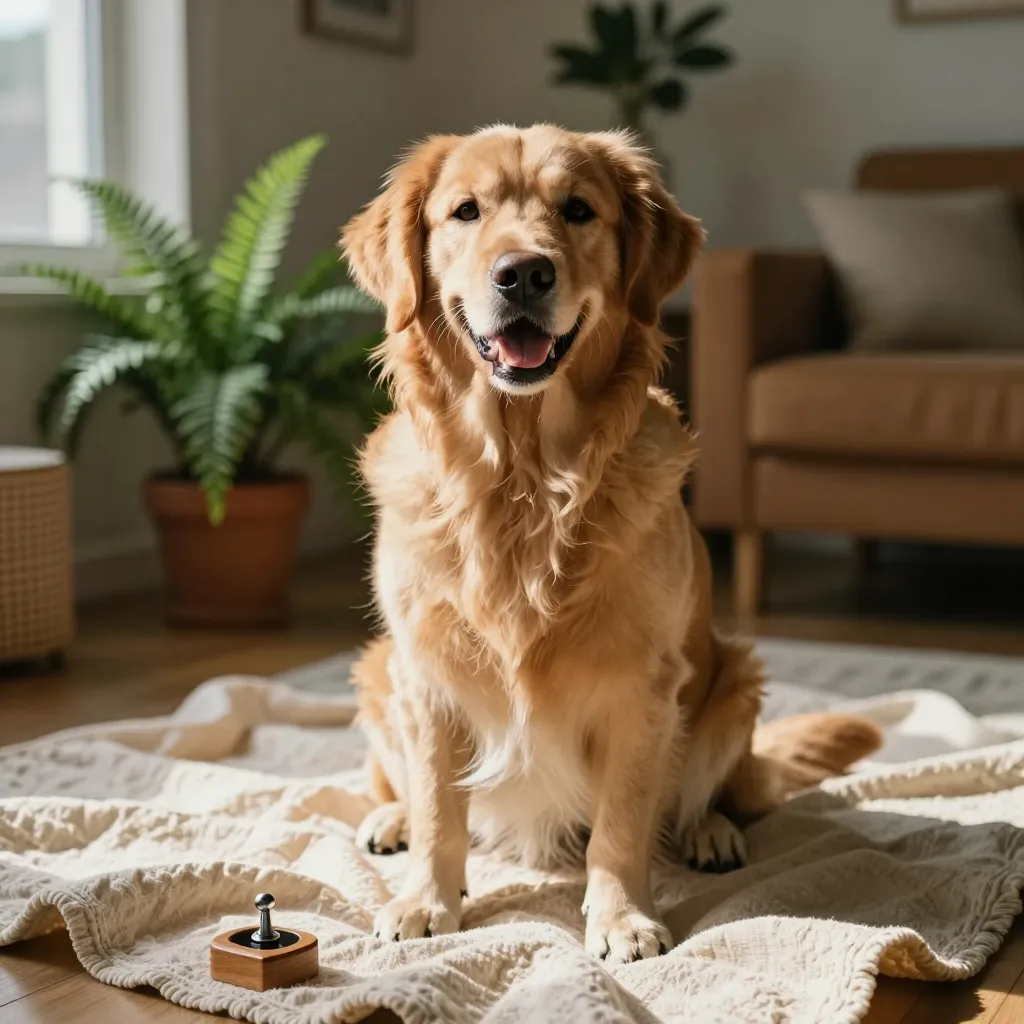
How to Teach Your Dog to Sit: Three Effective Positive Training Methods
Learn three proven methods to teach your dog to sit: capturing natural behavior, luring with treats, and incremental shaping. This guide covers essential markers, rewards, and common mistakes to help owners build a stronger bond and reliable obedience in any environment.
How to Teach Your Dog to Sit: Three Effective Methods
Teaching your dog to sit is one of the most fundamental skills in training, yet many owners struggle to find the right approach. Whether you're working with a playful puppy or an adult rescue, mastering this basic command opens doors to better behavior, improved safety, and a stronger bond with your canine companion.
A reliable sit serves practical purposes beyond simple obedience. It forms the foundation for stay commands, helps manage impulsive behaviors, and provides a calm default behavior during exciting moments. Many dog sports and activities—from rally obedience to therapy work—require a solid sit as a prerequisite skill.
Before diving into specific techniques, understanding how dogs learn will set you up for success.
The Foundation: Markers and Rewards
Dogs learn through association and consequence. A marker—whether a clicker, a verbal "yes," or a tongue click—pinpoints the exact moment your dog performs the desired action. Think of it as taking a photograph of the correct behavior, telling your dog, "That's it!"
To establish your marker, pair it immediately with something your dog loves. Click or say your marker word, then deliver a small, tasty treat within one second. Repeat this 10-15 times until your dog's ears perk up at the sound, anticipating good things. Once loaded, your marker becomes a powerful communication tool.
High-value rewards matter. While kibble works for some dogs, others need freeze-dried liver, cheese, or small pieces of cooked chicken. Experiment to find what makes your dog's eyes light up.
Method One: Capturing Natural Behavior
Capturing leverages behaviors your dog already offers spontaneously. Instead of manipulating your dog into position, you simply observe and reward when sitting happens naturally.
How to practice:
- Keep treats accessible throughout the day
- When your dog sits on their own—whether waiting for dinner, greeting you, or pausing during play—immediately mark and reward
- After several repetitions, add the verbal cue "sit" just as they begin lowering their rear
- Gradually say the cue earlier until your dog connects the word with the action
This method excels with dogs who sit frequently or those who shut down under pressure. It builds confidence because the dog discovers the behavior independently. However, it requires patience and vigilance, as you must catch the behavior when it happens.
Method Two: Luring with Treats
Luring guides your dog into position using food as a magnet. This hands-on approach gives you control over the training process and often produces faster initial results.
Step-by-step technique:
- Hold a treat between your thumb and fingers, letting your dog sniff it
- Slowly raise the treat slightly above and behind their nose
- As their head tilts up to follow, their rear naturally lowers
- The moment their bottom touches the ground, mark and release the treat
- Repeat until the movement becomes fluid
Once your dog reliably follows the lure, introduce the verbal cue. Say "sit" just before starting the hand motion. After multiple successful repetitions, begin fading the lure by using an empty hand motion while keeping treats in your other hand or pocket, rewarding only after the sit completes.
If your dog backs up instead of sitting, try practicing with their back against a wall to limit movement options. For dogs who jump up at the treat, keep your hand lower and move it more slowly.
Method Three: Shaping Step by Step
Shaping breaks the sitting behavior into incremental pieces, rewarding progressive approximations. This technique shines for dogs who find luring frustrating or who offer alternative behaviors instead of sitting.
The shaping progression:
- Reward any glance upward toward your treat hand
- Once consistent, reward only when their head tilts significantly back
- Next, reward slight weight shifts backward
- Progress to bending rear legs
- Finally, reward only full sits
Each criterion should be challenging but achievable. If your dog fails three times in a row, you've raised the bar too high—return to the previous step. Shaping requires mental engagement from both you and your dog, making it excellent for building problem-solving skills and confidence.
Common Mistakes to Avoid
Physical manipulation backfires. Pushing your dog's rear down or pulling up on their collar creates resistance and confusion. Dogs learn through voluntary participation, not force.
Inconsistent timing undermines progress. The mark must occur precisely when the behavior happens—late rewards teach your dog something entirely different.
Skipping the reward phase after marking breaks trust. If you say "yes" or click, you must deliver the promised treat, even if you made a timing error.
Training sessions that run too long cause mental fatigue. Keep practice to 3-5 minutes, ending while your dog remains eager. Multiple short sessions throughout the day outperform single marathons.
Building Reliability
Once your dog sits in quiet environments, gradually introduce distractions. Practice in different rooms, then move to the backyard, sidewalk, and eventually parks. Vary your position—sitting while you're standing, sitting from a distance, sitting with your back turned.
Real-world applications include asking for a sit before meals, during greetings with visitors, before crossing streets, and when leashing up for walks. These functional rewards—access to desired activities—strengthen the behavior more than treats alone.
Remember that dogs don't generalize automatically. A dog who sits perfectly in your kitchen may seem to forget everything at the pet store. This isn't stubbornness; it's normal. Continue practicing in new contexts, and the behavior will solidify.
With patience, consistency, and the right method for your individual dog, the sit command becomes a reliable tool for daily life and future training adventures.