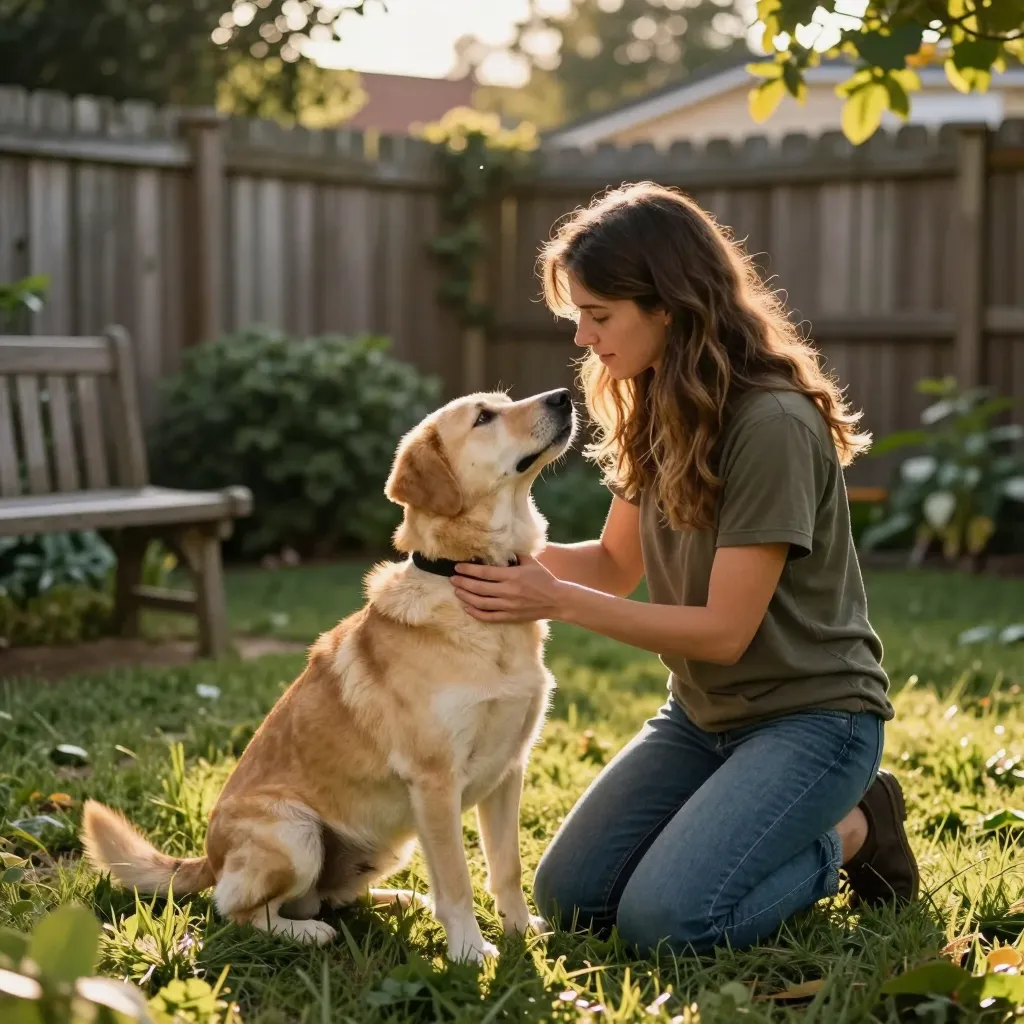
Essential Dog Ownership Etiquette: A Guide for Responsible Pet Parents
Navigating life with a new rescue dog requires more than just love. This guide covers essential etiquette, from leash manners to social boundaries, helping responsible owners create a seamless transition for their pets and respect the needs of fellow animal lovers.
The Complete Guide to Responsible Dog Ownership and Community Etiquette
Bringing a dog into your life is one of the most rewarding decisions you can make. But with that wagging tail and unconditional love comes a commitment that extends far beyond your front door. Being a responsible dog owner means understanding the unspoken rules of pet etiquette—both at home and in shared spaces—that help your furry companion become a beloved member of your community rather than a neighborhood nuisance.
Whether you've just adopted your first rescue pup or you're a seasoned dog parent looking to brush up on best practices, mastering these fundamentals will strengthen your bond with your pet while building positive relationships with neighbors, friends, and fellow dog lovers.
Creating a Peaceful Home Environment
Your home is your dog's sanctuary, but it's also part of a larger community. Setting clear boundaries from day one prevents behaviors that could disturb guests, neighbors, or delivery workers.
Greeting Guests Politely
Not everyone appreciates an enthusiastic canine welcome. Jumping up on visitors might seem friendly to your dog, but it can intimidate children, unsteady seniors, or simply people who prefer a calmer greeting. Teach your dog to sit when the doorbell rings, and reward this behavior consistently. If guests arrive, let them know it's okay to ignore your dog until all four paws are on the floor.
For visitors who are genuinely uncomfortable around dogs—or for dogs who get overwhelmed by crowds—there's no shame in creating a safe retreat. A cozy crate in a quiet room with a puzzle toy or chew can turn a stressful situation into a relaxing break for your pet.
Table Manners Matter
Begging isn't just annoying; it can be dangerous if a guest accidentally feeds something toxic. Establish a "place" command early, directing your dog to a specific bed or mat during mealtimes. Consistency is key here—if you occasionally slip them a scrap from the table, you're teaching them that persistence pays off.
Managing Vocalizations
Dogs bark. It's natural. But excessive barking at every passing squirrel, delivery driver, or leaf blowing by becomes a quality-of-life issue for everyone within earshot. Address the root cause: boredom, anxiety, or over-stimulation. Close curtains if your dog fixates on street activity, provide mental enrichment toys, and teach a reliable "quiet" cue through positive reinforcement.
Never leave your dog unattended in the yard for extended periods. Isolation often amplifies barking, and a lonely dog is far more likely to develop nuisance habits that strain neighborly relations.
Yard Security
A secure fence isn't just about keeping your dog in—it's about respecting your neighbors' property too. Regularly check for gaps, loose boards, or dig spots along the perimeter. Some dogs are escape artists, and the last thing you want is your pet digging up a neighbor's flowerbeds or causing anxiety for the cat next door.
Sharing Spaces With Respect
The moment you clip on that leash, you enter a shared world where not everyone is a dog person. That's okay. Good etiquette ensures your dog remains welcome in public spaces.
The Golden Rule of Waste Management
Always carry more poop bags than you think you'll need. Running out is not an excuse—if it happens, return immediately with a bag to clean up. Dog waste isn't just unpleasant; it carries parasites and bacteria that can contaminate water sources and harm local wildlife. It's your responsibility, period.
Equally important: steer your dog away from lifting a leg on neighbors' lawns, garden beds, car tires, or mailboxes. Even if urine won't kill grass immediately, repeated marking in the same spot damages landscaping and feels disrespectful to property owners.
Leash Laws Exist for Everyone
Yes, even if your dog has flawless recall. Even if they "never leave your side." Leash laws protect reactive dogs, fearful pedestrians, children, and wildlife. They also protect your dog from traffic, aggressive encounters, or sudden bolts after wildlife.
Reserve off-leash freedom for designated dog parks or private, enclosed properties where it's explicitly permitted. When passing others on sidewalks or trails, shorten your leash and keep your dog close. A retractable leash extended across an entire pathway is a tripping hazard and invades others' personal space.
If your dog tends to lunge or bark at other dogs, cross the street proactively. You don't owe anyone an explanation, and this simple gesture prevents stressful encounters for everyone involved.
Ask Before Saying Hello
"Can my dog say hi?" should be your default question before any greeting. Some dogs are in training, recovering from surgery, or simply dog-selective. Some people have allergies, phobias, or cultural reasons for avoiding contact. A "no" is complete and requires no negotiation.
When granted permission, keep greetings brief—three seconds is plenty. Watch body language closely: stiff posture, tucked tails, or excessive lip licking signal discomfort. Not every dog wants to be friends, and that's perfectly fine.
Being a Considerate Guest
Taking your dog to a friend's barbecue, outdoor café, or pet-friendly store? A little preparation prevents awkward situations and ensures repeat invitations.
Always Ask Permission First
Never assume your dog is welcome, regardless of how well-behaved they are. Hosts may have allergic guests, anxious pets of their own, or simply prefer a dog-free environment. Respect their boundaries without pressure.
Exercise Before You Go
A tired dog is a well-mannered dog. A brisk walk or play session before heading out burns excess energy and reduces the likelihood of hyperactive behavior, destructive chewing, or attention-seeking antics in a new environment.
Potty Breaks Are Non-Negotiable
Always offer a bathroom opportunity immediately before leaving home. This simple step prevents accidents and reduces marking urges in unfamiliar spaces. Bring familiar cleanup supplies just in case.
Pack Entertainment
Bored dogs create their own fun—and it's rarely the kind hosts appreciate. Bring a food-stuffed toy, a long-lasting chew, or a quiet puzzle feeder to keep your dog occupied while you socialize. This is especially important in settings where your attention will be divided.
Building a Community-Ready Canine
At its core, responsible dog ownership is about being a good neighbor and an advocate for your pet. Mistakes happen; dogs are living beings with instincts and off days. When they do, a sincere apology goes a long way. You are your dog's voice and guardian.
Consider enrolling in a positive-reinforcement training class to build solid foundations in a controlled environment. Structured classes teach impulse control, polite leash walking, and calm greetings while strengthening your communication as a team. For puppies, early socialization classes build confidence and prevent fear-based behaviors later in life.
Programs like the Canine Good Citizen test offer a structured path to evaluating your dog's readiness for community life, covering everything from accepting friendly strangers to walking through crowds and reacting calmly to distractions.
Final Thoughts
Responsible dog ownership isn't about perfection—it's about presence, preparation, and respect. By teaching your dog basic manners, respecting shared spaces, and advocating for their needs without imposing on others, you create an environment where dogs are genuinely welcomed rather than merely tolerated.
Your dog looks to you for guidance in a human world that doesn't always make sense to them. When you lead with patience and consideration, you don't just raise a well-behaved pet—you strengthen the bond between people and animals in your entire community.