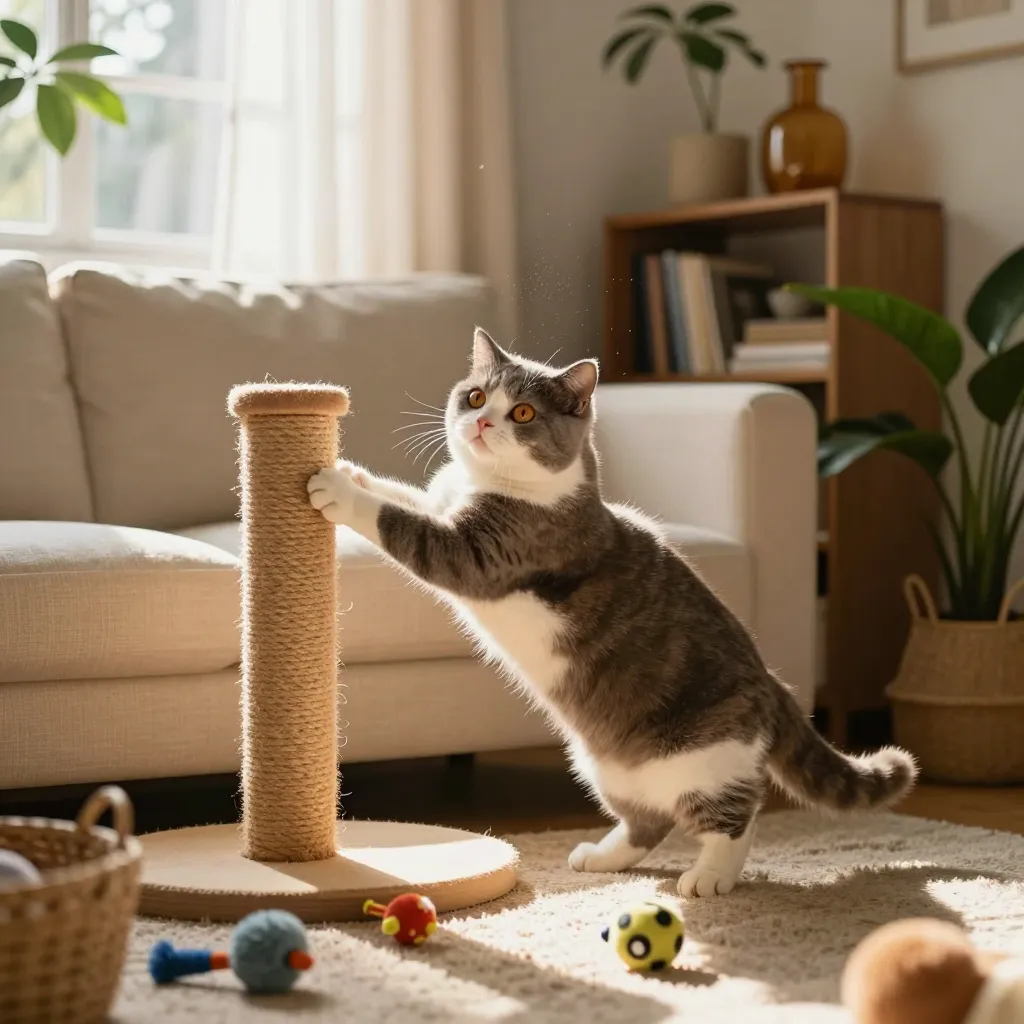
Understanding Cat Behavior: Why Cats Scratch, Bite & Hide (And How to Fix It)
Cats scratch furniture, bite unexpectedly, and hide for reasons rooted in biology and emotion—not spite. This guide breaks down the real causes behind these common cat behavior problems and offers practical, vet-approved solutions to create a calmer, happier home for you and your feline.
Understanding Common Cat Behavior Problems: Scratching, Biting, and Hiding
Cats are fascinating companions—intelligent, independent, and full of personality. Yet even the most devoted cat owner can feel baffled when their feline friend starts shredding the couch, nipping during a cuddle session, or vanishing under the bed for hours. These behaviors aren't random acts of rebellion. They're forms of communication, and learning to interpret them is key to building a stronger bond with your cat.
The Truth About Scratching
Scratching is arguably the most common frustration among cat owners. Before you blame your cat for ruining furniture, it's important to understand that scratching is a deeply ingrained biological need—not a behavioral problem.
Why Cats Need to Scratch
Scratching serves multiple essential functions for cats:
- Claw maintenance: Scratching removes the dead outer layer of claws, keeping them sharp and healthy
- Territory marking: Cats have scent glands between their paw pads that release pheromones when they scratch, creating both a visual and olfactory boundary
- Physical conditioning: The stretching motion helps cats extend and flex their muscles, particularly in their shoulders and back
- Emotional release: Scratching can be a way for cats to express excitement, relieve stress, or simply feel good
Redirecting Scratching Behavior
The goal isn't to eliminate scratching—it's to guide it toward appropriate outlets:
- Invest in quality scratching posts that are tall enough for your cat to fully stretch (at least 30 inches), sturdy enough not to wobble, and covered in appealing textures like sisal rope or corrugated cardboard
- Strategic placement matters: Position posts near areas your cat already scratches, such as beside the sofa or near their favorite sleeping spot
- Make alternatives attractive: Rub catnip on new posts or hang toys from them to encourage exploration
- Protect furniture temporarily: Use double-sided tape, aluminum foil, or commercially available deterrent sprays on off-limits surfaces while your cat learns new habits
- Reward the right choice: Offer treats and praise immediately when your cat uses their post
Decoding Cat Biting
A gentle cat that suddenly bites can be startling and hurtful. Understanding the context behind biting helps prevent future incidents and strengthens your relationship.
Types of Cat Bites
Not all bites are created equal. Recognizing the trigger helps you respond appropriately:
| Type | Cause | What It Looks Like |
|---|---|---|
| Play biting | Excess energy, hunting instinct | Pouncing, bunny kicks, light nips during active play |
| Overstimulation | Too much petting or handling | Tail lashing, skin twitching, flattened ears before the bite |
| Fear biting | Feeling threatened or cornered | Hissing, growling, defensive posture with bite as last resort |
| Redirected aggression | Frustration from another stimulus | Intense reaction directed at nearest target, often another pet or person |
| Pain-induced biting | Underlying health issue | Sudden reaction when touched in specific area, uncharacteristic aggression |
Preventing Problem Biting
- Learn your cat's body language: Watch for early warning signs like dilated pupils, twitching tail, or turned-back ears
- Never use hands as toys: Always use wand toys, laser pointers, or kickable plush toys to satisfy hunting instincts
- End play before overstimulation: If your cat gets wound up, calmly stop interacting and give them space
- Never punish: Physical correction or yelling increases fear and can worsen aggression
- Rule out medical causes: Sudden biting, especially when touched in certain areas, warrants a veterinary examination to check for dental disease, arthritis, or other pain sources
When Hiding Becomes a Concern
Cats are naturally drawn to small, enclosed spaces. A cat curled up in a cardboard box or perched on a high shelf is usually content. But when hiding becomes excessive or sudden, it may signal an underlying issue.
Normal vs. Concerning Hiding
Normal hiding behaviors:
- Retreating to a favorite spot for naps
- Seeking quiet during noisy household activity
- Exploring new hiding places out of curiosity
- Brief withdrawal after a minor stressor like a loud noise
Concerning hiding patterns:
- Sudden increase in hiding duration or frequency
- Refusing to come out for meals, treats, or social interaction
- Hiding in unusual or inaccessible locations
- Accompanying symptoms like lethargy, appetite loss, or changes in litter box habits
Common Triggers for Excessive Hiding
- Environmental changes: Moving, new furniture, renovations, or schedule disruptions
- New household members: Whether human or animal, introductions should be gradual
- Noise and commotion: Construction, parties, or thunderstorms can send cats scrambling for cover
- Illness or pain: Cats instinctively hide vulnerability; withdrawal often precedes other visible symptoms
- Anxiety disorders: Some cats develop chronic anxiety requiring behavioral intervention
Supporting a Hiding Cat
- Provide secure retreats: Covered beds, cat caves, or elevated perches give cats control over their environment
- Maintain routine: Consistent feeding times and predictable interactions reduce anxiety
- Use calming aids: Pheromone diffusers (like synthetic feline facial pheromones) can create a sense of safety
- Allow choice: Never force a hiding cat out—let them emerge on their own terms
- Monitor closely: If hiding persists beyond 24-48 hours or is accompanied by other symptoms, consult your veterinarian
When Behavior Changes Signal Health Issues
Behavioral shifts often reflect physical health problems before other symptoms appear. Schedule a veterinary visit if you notice:
- Sudden onset of any behavior problem in an adult cat
- Increased aggression or irritability, especially when touched
- Excessive hiding paired with appetite changes or weight loss
- Changes in elimination habits
- Excessive scratching or grooming in one area
- Any behavior that interferes with normal daily activities
Conditions ranging from hyperthyroidism and dental disease to arthritis and urinary tract infections can manifest as behavioral changes. A thorough veterinary examination, including bloodwork when indicated, helps rule out medical causes before pursuing behavioral modification.
Frequently Asked Questions
Why does my cat scratch furniture instead of their expensive scratching post? Cats often prefer textures and locations that match their natural preferences. Try placing the post directly beside the scratched furniture, ensuring it's stable and tall enough. Experiment with different materials—some cats prefer horizontal scratchers over vertical ones.
How do I know if my cat's biting is play aggression or something more serious? Play aggression typically occurs during active play sessions and involves stalking, pouncing, and inhibited bites. True aggression involves hissing, growling, rigid body language, and bites that break skin without warning. If you're unsure, consult a veterinary behaviorist.
Is it okay to let my cat hide all day? Occasional hiding is normal, but a cat that remains hidden for most of the day, avoids interaction, or skips meals needs evaluation. Balance respect for your cat's need for solitude with awareness of potential health concerns.
Building a Behavior-Friendly Home
Creating an environment that honors your cat's natural instincts reduces behavior problems before they start:
- Vertical space: Cat trees, wall shelves, and window perches give cats territory and escape routes
- Multiple resources: In multi-cat homes, provide separate food stations, litter boxes (one per cat plus one extra), and resting areas
- Enrichment: Puzzle feeders, rotating toys, and safe outdoor enclosures (catios) prevent boredom-driven behaviors
- Predictability: Cats thrive on routine. Feed, play, and clean litter boxes on consistent schedules
Understanding cat behavior requires patience, observation, and a willingness to see the world from your cat's perspective. Scratching, biting, and hiding aren't problems to eliminate—they're expressions of needs that, once met, lead to a happier, healthier cat and a more harmonious home.