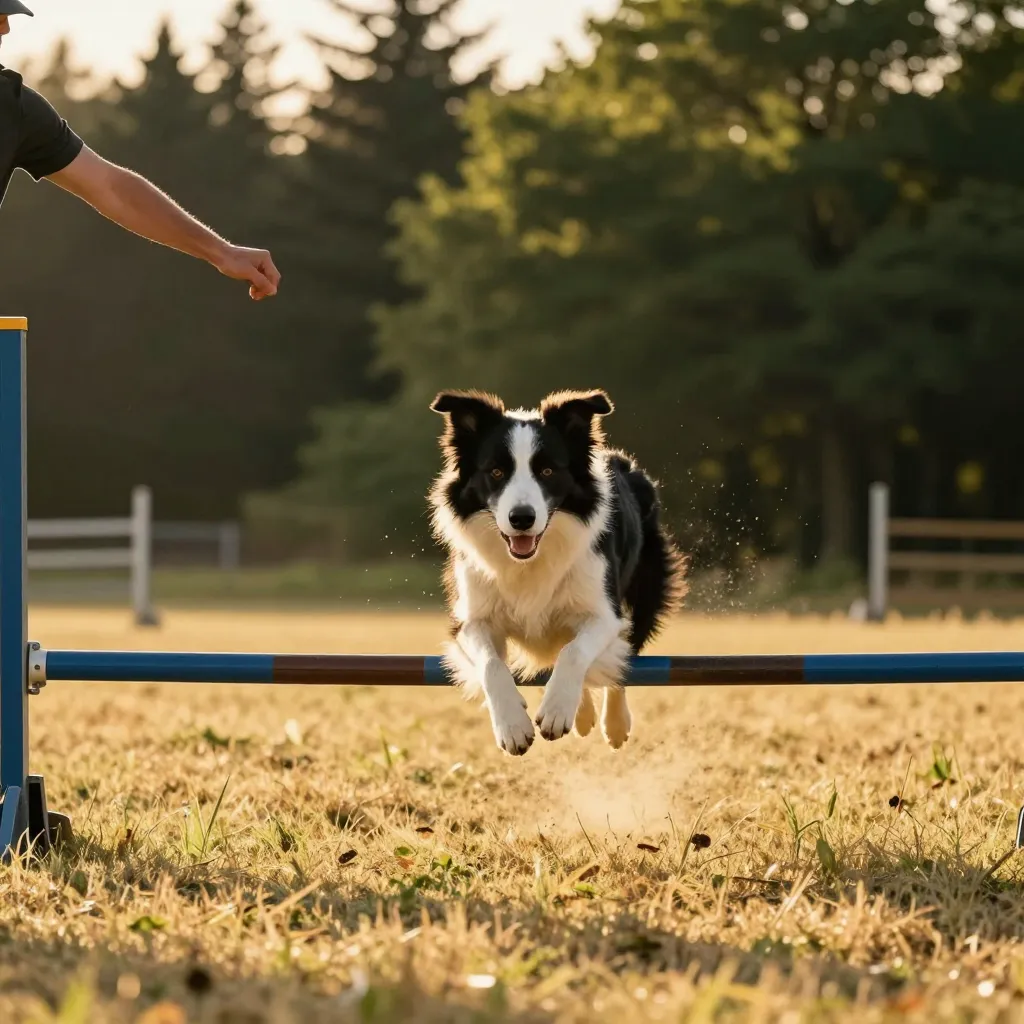
Advanced Dog Training: Taking Your Canine's Skills to the Next Level
Advanced dog training goes beyond basic commands to build complex skills, mental stimulation, and real-world reliability. It prevents boredom-driven behaviors while creating a truly exceptional partnership for competition or daily adventures.
Advanced Dog Training: Taking Your Canine's Skills to the Next Level
Once your dog has mastered the fundamentals—sit, stay, come, and leash manners—it's time to explore the exciting world of advanced training. This next phase isn't just about teaching more complex behaviors; it's about deepening your bond, providing mental stimulation, and opening doors to specialized activities that keep both you and your dog engaged for years to come.
Why Advanced Training Matters
Many owners make the mistake of stopping training after the basics. However, dogs are lifelong learners who thrive on mental challenges. Advanced training prevents boredom, reduces anxiety-driven behaviors, and transforms your dog from a well-mannered pet into a truly exceptional companion. Whether you dream of competing in dog sports or simply want a more responsive partner for daily adventures, advanced skills build confidence in your dog and pride in your relationship.
Building on the Foundation
Advanced training relies heavily on the trust and communication established during basic obedience. Before progressing, ensure your dog responds reliably to cues in various environments with different distractions. The goal now shifts from simple compliance to enthusiastic participation and precision.
Key Prerequisites
- Solid recall even with distractions
- Duration stays of several minutes
- Loose-leash walking in busy areas
- Impulse control around food and toys
- Focus and engagement despite environmental stimuli
Core Advanced Skills to Develop
Precision Positioning
Advanced training emphasizes exact body placement and orientation. Teaching your dog to target specific objects with specific body parts—like placing their chin on your hand or positioning their front paws on a platform—develops body awareness and fine-tunes communication. These skills form the backbone of many dog sports and complex trick sequences.
Distraction Proofing
Real-world reliability requires systematic exposure to increasingly challenging environments. Practice known behaviors in new locations: busy parks, pet stores, outdoor cafés. Gradually introduce distractions—other animals, food on the ground, loud noises—while maintaining your dog's ability to respond. This process, called proofing, ensures your training holds up when it matters most.
Distance and Duration Work
Extend your dog's capabilities by increasing the three D's: distance, duration, and distraction. Ask for stays while you walk farther away, extend the time between rewards during sustained behaviors, and layer in environmental challenges. This builds independence and self-control, essential traits for off-leash reliability.
Training Games That Sharpen Skills
Incorporating play into training maintains enthusiasm while honing specific abilities. These activities feel like fun to your dog while secretly reinforcing advanced concepts:
Hide and Seek: Reinforces recall and search drive while building excitement about finding you. Start simple, then hide in increasingly difficult spots.
Pattern Games: Create predictable sequences (sit, down, stand, spin) that teach your dog to anticipate and flow between behaviors smoothly.
Toy Discrimination: Teach your dog to select specific toys by name, exercising their cognitive abilities and vocabulary comprehension.
Obstacle Courses: Navigate everyday objects (cones, boxes, benches) to improve body awareness, confidence, and handler focus.
Understanding Canine Cognition
Modern training recognizes that dogs process information in sophisticated ways. Research suggests dogs can learn extensive vocabularies—some exceptional learners understand hundreds of words and even simple grammar structures. Advanced training leverages this capacity by:
- Using consistent, distinct verbal cues
- Teaching behaviors through shaping rather than luring alone
- Allowing problem-solving opportunities rather than micromanaging every movement
- Recognizing that dogs read human gestures, facial expressions, and emotional states
This cognitive approach respects your dog as a thinking partner rather than merely a respondent to commands.
Specialized Training Pathways
Scent Work and Nose Games
Every dog has a powerful nose, and scent work channels this natural ability into structured activities. Start by hiding treats in easy locations, then progress to specific target odors, discrimination tasks, and search patterns. Scent work builds confidence in shy dogs, provides intense mental exercise, and can be practiced anywhere—even during daily walks by encouraging your dog to investigate safe environmental scents.
Body Awareness and Conditioning
Teaching your dog to move with precision—pivoting on hind legs, backing up straight, shifting weight consciously—improves athletic performance and prevents injury. These skills translate directly to agility, obedience, and everyday body control. Use platforms, balance discs, and cavaletti poles to develop proprioception and core strength.
Communication Enhancement
Some advanced trainers explore alternative communication methods, including soundboards with recordable buttons. While research continues into how deeply dogs understand these tools, many owners report success teaching their dogs to request specific activities, express needs, or identify objects. The process itself—learning that specific actions produce specific outcomes—represents valuable cognitive training regardless of the communication medium's complexity.
The Science of Reinforcement
Advanced trainers understand that when and how you reward matters as much as what you reward. Moving beyond continuous reinforcement (treating every correct response), advanced work employs:
- Variable reinforcement schedules: Rewarding unpredictably to create persistent, gambling-like engagement
- Differential reinforcement: Rewarding only the best examples to improve quality
- Jackpot rewards: Occasional high-value surprises for exceptional effort
- Life rewards: Access to preferred activities, sniffing opportunities, or toy play as consequences for good behavior
This nuanced approach keeps training fresh and motivation high without creating dependency on constant food rewards.
Troubleshooting Advanced Challenges
Even experienced trainers encounter plateaus. When progress stalls:
Regress to success: Return to an easier version of the behavior where your dog thrives, then rebuild gradually.
Analyze your mechanics: Often the issue lies in unclear cues, inconsistent timing, or environmental factors rather than the dog's willingness.
Check for physical limitations: Advanced work requires physical fitness. Ensure your dog isn't experiencing pain, fatigue, or age-related changes affecting performance.
Vary your rewards: What motivated your dog last month may not excite them today. Rotate reinforcers and observe what currently drives enthusiasm.
Making Training Part of Daily Life
The most successful advanced training integrates seamlessly into routine activities. Practice heel position during walks, ask for stays before meals or door openings, and incorporate training games into play sessions. This lifestyle approach ensures skills remain sharp without requiring separate "training time" that busy schedules can't accommodate.
Preparing for Dog Sports
If competition interests you, research specific requirements for sports like agility, obedience, rally, dock diving, or disc dog. Each demands particular skills, but all reward the same foundation: clear communication, reliable behaviors under pressure, and a partnership built on trust and enjoyment. Visit local clubs, attend trials as a spectator, and connect with experienced competitors to understand what training commitments each sport requires.
The Lifelong Journey
Advanced training never truly ends. There's always another skill to refine, another challenge to attempt, another layer of understanding to develop between you and your dog. This ongoing process keeps aging dogs mentally sharp, provides purpose for high-energy breeds, and continually renews the unique bond that makes dogs such extraordinary companions.
Whether you aspire to championship titles or simply want the satisfaction of a highly trained pet, advanced training delivers rewards far beyond the behaviors themselves. It creates a dog who looks to you not out of obligation, but because working together is the best part of their day.