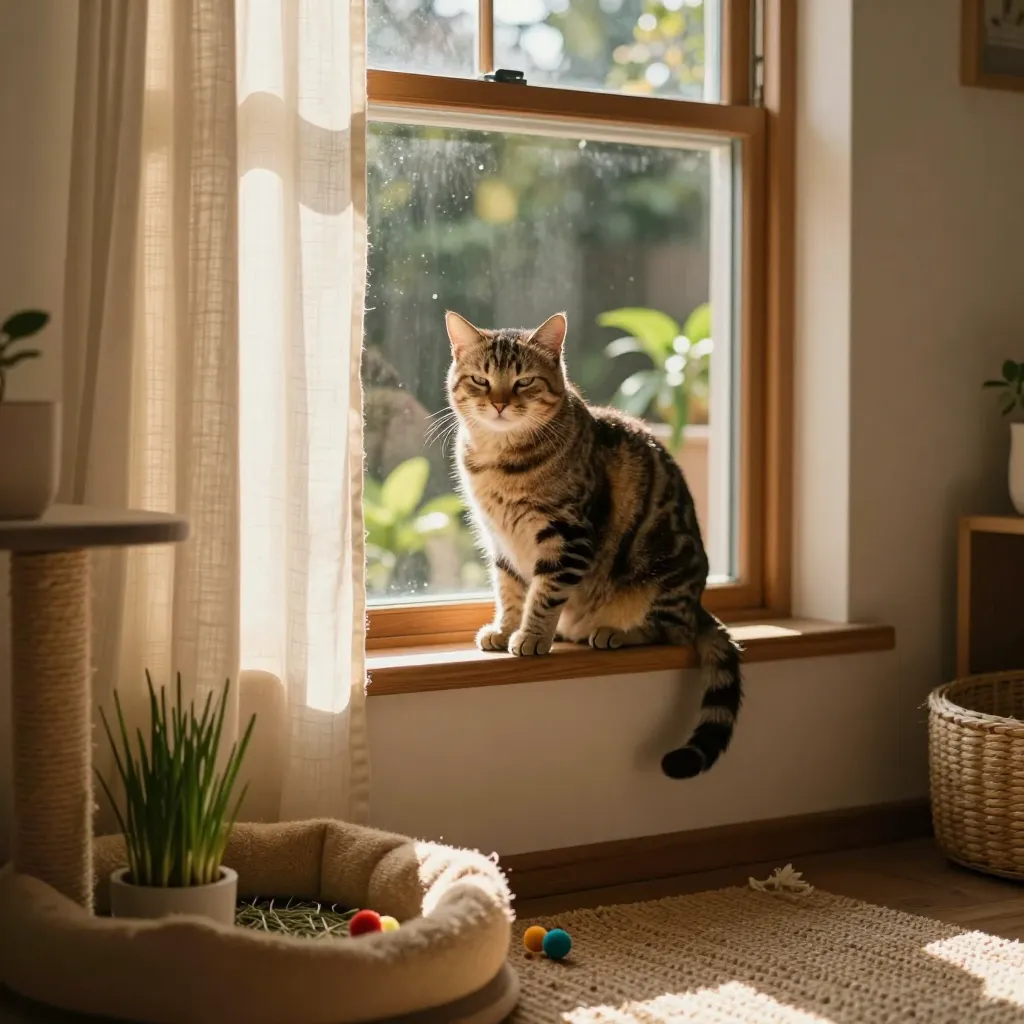
Understanding Cat Behavior: Building a Harmonious Relationship
Explore how territorial instincts, body language cues, and environmental needs shape your cat's world. Learn to recognize stress signals, provide appropriate outlets for hunting instincts, and create secure spaces for lasting companionship. Essential for new and experienced cat owners alike.
Understanding Cat Behavior: Building aHarmonious Relationship with Your Feline Friend
Cats are enigmatic companions, often perceived as independent and aloof. Yet, beneath their mysterious exterior lies a complex world of communication and needs. Building a truly harmonious relationship with your cat requires moving beyond simple affection to understanding their natural instincts and language. This knowledge forms the bedrock of effective care and a thriving bond.
Cats are territorial creatures by nature. Their environment is their domain, and changes can cause significant stress. Recognizing signs of anxiety, such as hiding, excessive grooming, or urine marking, is crucial. Providing safe spaces, vertical territory like cat trees, and consistent routines helps them feel secure. Introducing new pets or people gradually and respecting their need for alone time are key strategies.
Communication is a two-way street. While a purr often signals contentment, it can also indicate stress or pain. A slow blink is a genuine sign of trust and affection. Hissing or growling are clear warnings to back off. Understanding these subtle cues allows you to respond appropriately to their emotional state, preventing misunderstandings and fostering trust. Observing body language – flattened ears, twitching tail, arched back – provides vital context to their vocalizations.
Play is essential for a cat's physical and mental well-being. It mimics hunting behaviors, allowing them to stalk, pounce, and capture. Providing a variety of toys – wand toys for interactive play, puzzle feeders for mental stimulation, and balls for solo batting – satisfies this innate drive. Regular play sessions, especially in the evening when cats are most active, help expend energy, reduce boredom, and strengthen your bond. Always end play sessions positively to avoid overstimulation.
Litter box management is non-negotiable. Cats are fastidious and will avoid a box that's dirty, located in a high-traffic area, or shared with another cat. Provide one box per cat plus an extra, placed in quiet, accessible locations. Use unscented clumping litter and scoop daily. If issues arise, consult a veterinarian to rule out medical problems like urinary tract infections before addressing behavioral causes.
Scratching is a natural, necessary behavior for claw maintenance and stretching. Providing appropriate scratching posts or boards (vertical and horizontal) made of sisal, cardboard, or wood redirects this instinct away from furniture. Place them near resting areas and sleeping spots. Positive reinforcement when they use the post encourages the desired behavior. Declawing is a painful and unnecessary surgical procedure that should never be considered.
By dedicating time to understand your cat's unique personality and needs, you unlock the door to a deeper, more rewarding relationship. Patience, observation, and consistent, compassionate care are your most valuable tools. This foundation allows you to anticipate their needs, address potential issues proactively, and create a home where your feline companion feels truly understood and loved.