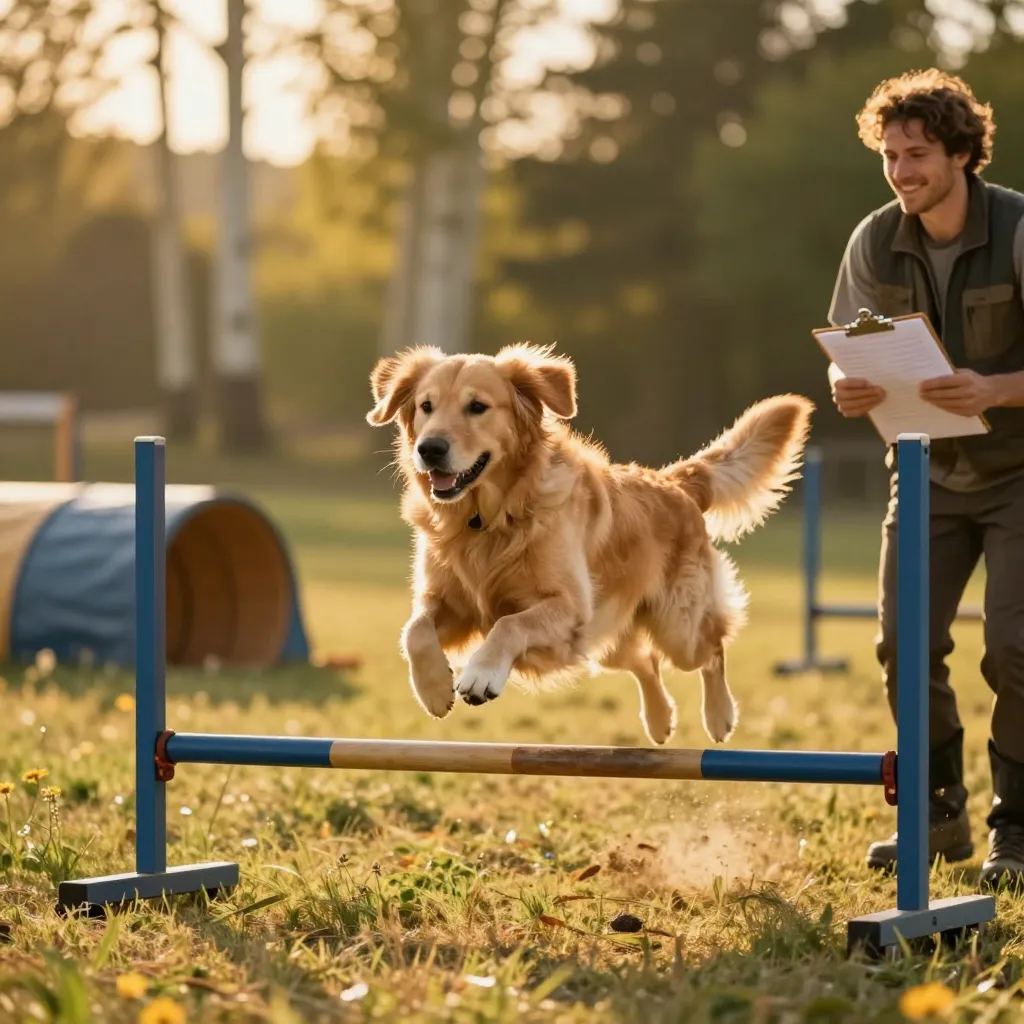
Training for Dog Sports: Build a Stronger Bond and Boost Performance
Train your dog for competitive sports to channel their energy and build an unbreakable bond. This structured approach enhances communication, prevents injuries, and deepens your partnership. Ideal for dog owners seeking to engage their canine athlete and achieve shared goals in agility, obedience, or scent work.
Training for Dog Sports: Building a Stronger Bond With Your Canine Athlete
There's something transformative that happens when you and your dog commit to training for a competitive sport. Beyond the ribbons and titles, you're building a partnership based on trust, communication, and shared goals. Whether you're drawn to the speed of agility, the precision of obedience, or the instinct-driven world of scent work, dog sports offer structured ways to channel your dog's energy while deepening your connection.
Finding the Right Sport for Your Dog
Not every sport suits every dog, and that's perfectly fine. The key is matching your dog's natural abilities and temperament with an activity they'll genuinely enjoy.
High-energy breeds often thrive in fast-paced sports like agility, flyball, or Fast CAT (Coursing Ability Test), where they can burn energy while navigating obstacles or chasing a lure. Scent-driven dogs—including many hounds and sporting breeds—excel in Barn Hunt, nose work, or tracking, activities that let them use their most powerful sense in meaningful ways. Working breeds with strong drives may find fulfillment in herding trials, protection sports, or obedience competitions that challenge their intelligence and willingness to work alongside their handler.
Even less athletic dogs have options. Conformation showing evaluates structure and breed type, while rally obedience and trick dog titles focus on training precision without demanding extreme physical exertion. The sport should serve the dog, not the other way around.
Core Skills Every Canine Athlete Needs
Regardless of which sport catches your interest, certain foundational skills create success across disciplines.
Engagement and focus form the bedrock of all dog sports. Your dog needs to choose you over distractions—a squirrel, another dog, interesting smells. This isn't about dominance; it's about building value in your partnership through consistent, rewarding interactions.
Body awareness and conditioning matter more than many handlers initially realize. Teaching your dog to understand where their paws are (proprioception) prevents injuries and improves performance. Simple exercises like standing on unstable surfaces, backing up, or navigating cavaletti poles build the body control needed for complex maneuvers.
Targeting—teaching your dog to touch a specific object with a nose or paw—transfers across nearly every sport. In agility, targets help with contact zones. In obedience, they create precise positions. In scent work, they can mark finds. It's a versatile skill worth investing time in early.
Training Through Different Life Stages
Female dogs in heat present unique training challenges. Hormonal changes affect behavior, focus, and sometimes motivation. Some handlers choose to take a break during this time, while others maintain light training sessions that prioritize relationship-building over skill advancement. The key is recognizing your dog's physical state and adjusting expectations accordingly—pushing through heavy distractions rarely yields productive results.
Puppies and adolescent dogs need age-appropriate training that protects developing joints while building enthusiasm for the sport. Jump heights stay low, repetitions remain brief, and play outweighs pressure. The goal is creating a dog who loves the game, not one who burns out before reaching their prime.
Building a Fitness Foundation
Competitive dog sports are athletic endeavors, yet many handlers overlook conditioning. A dog fitness plan should include:
- Cardiovascular fitness through controlled running, swimming, or hill work
- Strength training using bodyweight exercises, balance equipment, or gentle resistance
- Flexibility work through stretching routines and varied movement patterns
- Mental conditioning through puzzle toys, novel environments, and training games that build confidence
DIY cognitive toys—snuffle mats made from fleece strips, treat-dispensing bottles, or hidden treasure hunts—keep minds sharp during downtime or recovery periods. These aren't just boredom busters; they're tools that build the problem-solving skills many sports require.
The Handler's Role
Your dog isn't competing alone. Handler skills—timing, footwork, course strategy, and emotional regulation—directly impact performance. Conformation handling classes teach presentation skills that showcase your dog's structure. Agility handlers study course maps and develop communication systems clear enough to guide dogs through complex sequences at speed.
Perhaps most importantly, handlers must manage their own stress. Dogs read our tension, frustration, and disappointment. The partnership thrives when both ends of the leash stay present, patient, and genuinely enjoying the process.
Getting Started
Most sports offer beginner-friendly entry points. Barn Hunt and Fast CAT welcome dogs with minimal training. AKC sports like agility, obedience, and rally have titling programs that let you progress at your own pace. Local training clubs offer classes where you can test your interest before committing to equipment purchases or competition fees.
Start with one sport that genuinely excites you both. Master the basics. Build your teamwork. The titles will come, but the real prize is the relationship you're developing—one training session at a time.