Managing Cat Allergies in Multi-Pet Homes: A Complete Guide
Learn to manage Fel d 1 allergens with practical tips on HEPA filtration, specialized grooming, and dietary changes. This guide helps allergy sufferers maintain a healthy, harmonious bond with multiple feline companions without sacrificing their well-being.
I'll start by reading the uploaded HTML file to understand the original article content, then create a fresh, independently written piece on cat care & behavior that matches the Pawvibe website's tone and style. while avoiding any promotional content. Let me try reading the file directly through the ipython environment to access the content. then I can create a fresh, independently written article on cat care & behavior. while avoiding any promotional content. Let me try with a different encoding: Now I can see the original article. It's about managing cat allergies in multi-pet households. Let me create a fresh, independently written article on the same topic that matches the Pawvibe website's specifications—warm, caring, trustworthy tone; cat care & behavior category; and warm cream/amber/green color palette; and avoids all promotional content. self-promotion, CTAs, external links, etc.
Based on the original content about managing cat allergies in multi-pet households, I'll create a new comprehensive article covering understanding cat allergies, identifying symptoms, creating an allergy-friendly home environment, grooming practices, dietary considerations, and when to seek veterinary help, and tips for harmonious multi-pet living—all aligned with the Pawvibe brand voice and stripped of any promotional elements.
Managing Cat Allergies in Multi-Pet Households: A Complete Guide to Harmonious Living
Living with cats brings immense joy, but for some pet parents, it also brings sneezing, itchy eyes, and congestion. Cat allergies affect approximately 10% of the human population, yet many allergy sufferers successfully share their homes with feline companions through thoughtful management strategies. Whether you are mildly sensitive or navigating more severe reactions, creating a comfortable environment for both you and your cats requires understanding the allergen, recognizing symptoms, and implementing practical home modifications, and knowing when professional intervention becomes necessary.
Understanding Fel d 1 and Cat Allergens
The primary culprit behind cat allergies is not cat hair itself, but a allergenic protein called Fel d 1. This microscopic protein is produced in cat saliva, skin cells, and sebincterian glands. When cats groom themselves, Fel d 1 transfers to their fur and skin. eventually becoming airborne as dander. These lightweight particles linger in the environment for hours, settling into upholstery, bedding, carpets, and clothing. Because Fel d 1 particles are so small and lightweight, they remain suspended in air currents, making them easily inhalable and capable of triggering immune responses in sensitive individuals.
All cats produce Fel d 1, though levels vary between individual cats and breeds. Male cats typically produce higher concentrations than females, and unneutered males produce the most. No cat breed is truly hypoallergenic, though some breeds like Siberians and Balinese, and Russian Blues are sometimes better tolerated by allergy sufferers due to naturally lower Fel d 1 production or different grooming habits.
Recognizing Allergy Symptoms
Cat allergy symptoms manifest across multiple body systems. Respiratory symptoms include sneezing, runny or stuffy nose, coughing, wheezing, and shortness of breath. Ocular symptoms involve redness, itching, watering, and swelling around the eyes. Skin reactions range from hives and eczema to general itching without visible rash. Some individuals experience oral allergy syndrome, with itching or swelling in the mouth or throat after contact with cat fur or saliva.
Symptom severity varies significantly between individuals and fluctuates based on exposure levels, overall immune health, and concurrent allergen burdens from pollen, dust mites, or other environmental triggers. Distinguishing between mild seasonal irritation and consistent cat-related allergic responses helps determine appropriate management approaches.
Creating an Allergy-Friendly Home Environment
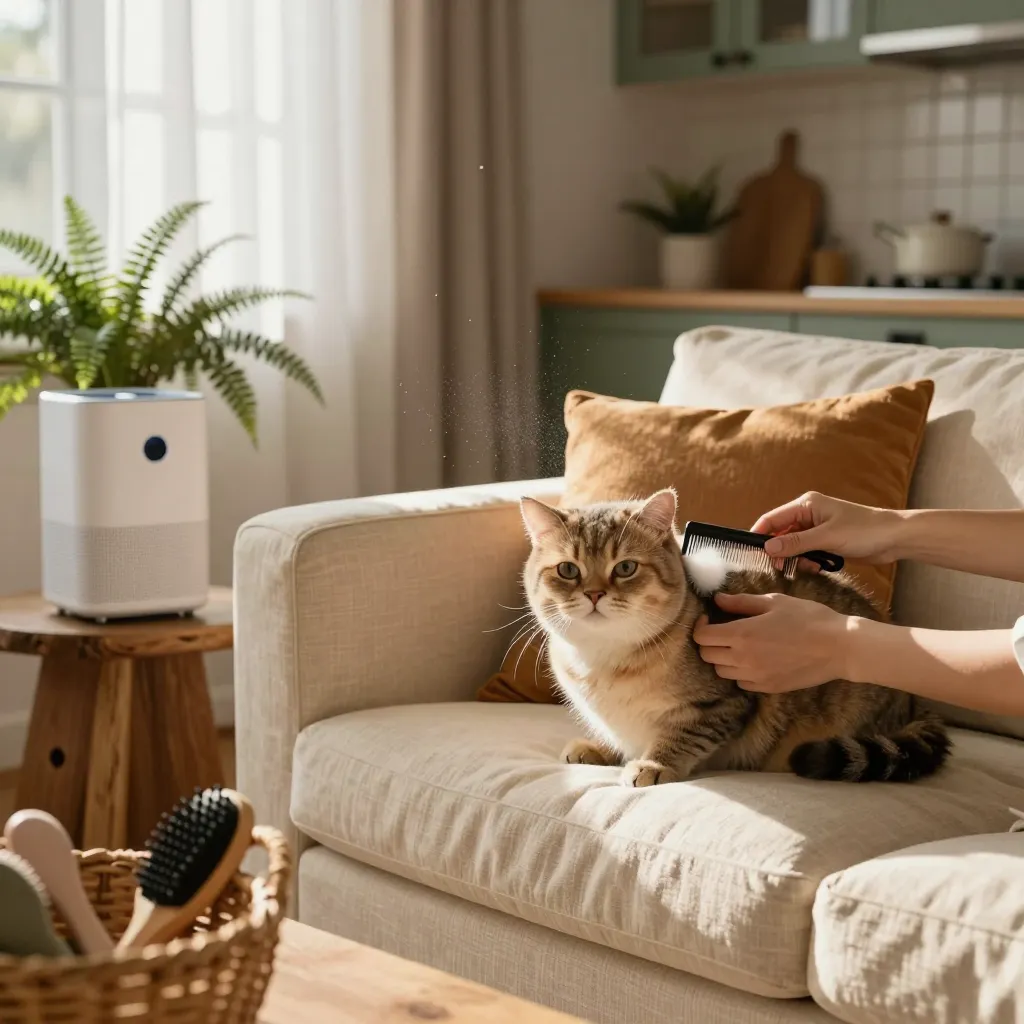
Strategic environmental modifications significantly reduce airborne allergen loads without sacrificing your cats' wellbeing. Air purification represents one of the most impactful investments. HEPA filtration systems, whether standalone units or HVAC-integrated, capture particles as small as 0.3 microns, effectively removing dander from circulation. Position units in living areas and bedrooms where you spend the most time, ensuring complete air changes multiple times hourly.
Hard surface flooring simplifies allergen removal compared to wall-to-wall carpeting.Where carpets exist, frequent vacuuming using HEPA-filtered equipment prevents allergen accumulation. Steam cleaning carpets and upholstery quarterly dissolves residual proteins that vacuuming misses.
Designating cat-free zones, particularly bedrooms, provides essential respiratory refuge. Keeping cats out of sleeping areas prevents overnight allergen accumulation in bedding and pillows. If complete exclusion feels impossible, implementing high-efficiency air purification in the bedroom and maintaining scrupulous hygiene practices reduces exposure risks.
Upholstered furniture attracts and retains dander persistently. Leather or tightly woven microfiber alternatives resist allergen penetration and and wipe clean more effectively. Washable slipcovers on existing furniture allow regular hot water laundering to eliminate accumulated proteins.
Grooming Practices That Minimize Allergen Spread
Regular grooming reduces loose hair and dander before it becomes airborne. Daily brushing using tools appropriate for your cat's coat type captures shedding fur effectively. Conduct grooming sessions outdoors or in well-ventilated areas, wearing a mask if you are particularly sensitive. Wiping cats down with damp microfiber cloths removes surface saliva and loose hair between brushings.
Bathing cats monthly using feline-specific shampoo can temporarily reduce Fel d 1 on the coat, though over-bathing causes skin irritation that paradoxically increases dander production. Some allergy sufferers find that wiping cats with distilled water or cloth provides sufficient allergen reduction without the stress of full baths for the animal.
For multi-pet households, establishing consistent grooming routines for all cats prevents cross-contamination and maintains predictable allergen levels. Keeping long-haired breeds trimmed reduces the total allergen-carrying surface area and makes daily maintenance more manageable.
Dietary Considerations and Supplements
Emerging research suggests that certain diets and supplements may reduce Fel d 1 production or modify its allergenicity. Studies indicate that cats fed egg-based protein diets or specific anti-Fel d 1 immunoglobulin Y supplements show measurable reductions in active Fel d 1 levels in saliva and hair. These specialized diets require veterinary consultation before implementation to ensure complete nutritional adequacy.
Omega fatty acid supplementation supports skin health, potentially reducing excessive dander resulting from dry skin. Probiotics designed for feline immune support may help balance gut health and immune responses, though evidence for direct allergy reduction remains developing. Always transition diets gradually over seven to ten days to prevent gastrointestinal upset that could stress cats and increase grooming behaviors.
Medical Management Strategies
Over-the-counter antihistamines provide first-line symptom relief for mild to moderate allergies. Cetirizine, loratadine, and fexofenadine reduce histamine-mediated symptoms like sneezing and itching without the sedating effects of first-generation options. Intranasal corticosteroid sprays address inflammation directly at the nasal passages, proving particularly effective for persistent congestion.
Immunotherapy represents the gold standard for long-term management in moderate to severe cases. Allergy shots gradually desensitize the immune system to Fel d 1 through controlled exposure over months or years. Sublingual immunotherapy tablets offer newer alternatives with improved convenience. While not curative, immunotherapy frequently reduces medication dependence and symptom severity significantly.
Consulting allergists specializing in pet allergies provides personalized treatment protocols.They can distinguish between cat-specific sensitivities and cross-reactivity with other environmental allergens, ensuring targeted rather than generalized approaches.
When to Seek Veterinary Assistance
Veterinary involvement becomes necessary when cats exhibit symptoms suggesting that allergic reactions compromise their quality of life. Excessive grooming, hair loss, skin lesions, or respiratory distress in cats indicates potential allergic dermatitis or asthma requiring professional diagnosis and management.
Sudden behavioral changes, including inappropriate elimination, aggression, or withdrawal, sometimes signal stress responses to environmental modifications or routine changes implemented for human allergy management. Cats experiencing stress may over-groom, creating skin irritation that mimics or compounds allergy issues.
Regular veterinary checkups ensure that skin conditions attributed to allergies are not actually parasitic infections, fungal issues, or dietary deficiencies requiring different treatments. Your veterinarian can recommend prescription hypoallergenic diets, medicated shampoos, or environmental modifications tailored specifically to your cat's health profile.
Living Harmoniously: Practical Daily Strategies
Successful multi-pet households with allergy concerns operate on consistency and prevention rather than reaction. Morning routines might include quick grooming sessions, followed by personal clothing changes and hand washing before departing for work. Evening routines feature air purifier checks, litter box scooping with masks usage if sensitive, and cat-free bedroom entry.
Litter box management significantly impacts airborne allergen levels. Clumping litter allows daily complete removal of urine and feces, while covered boxes contain particles. Positioning litter boxes in well-ventilated areas, away from HVAC intake vents, prevents circulation of allergens throughout living spaces. Some allergy sufferers find crystal or natural litter alternatives produce less dust than traditional clay options.
Washing hands thoroughly after handling cats, litter, or toys prevents transferring allergens to your face and eyes. Keeping a clean change of clothes specifically for cat interaction times, then changing before relaxation or sleep periods, minimizes prolonged exposure. This proves especially valuable during high-shedding seasons in spring and fall.
Conclusion
Managing cat allergies within multi-pet households demands understanding, environmental engineering, and consistent hygiene practices, and appropriate medical support when necessary. The goal is not eliminating all allergen exposure but reducing levels sufficiently to eliminate symptoms while preserving the human-feline bond. With thoughtful management strategies, allergy sufferers successfully maintain thriving multi-cat households without choosing between their health and their beloved companions.