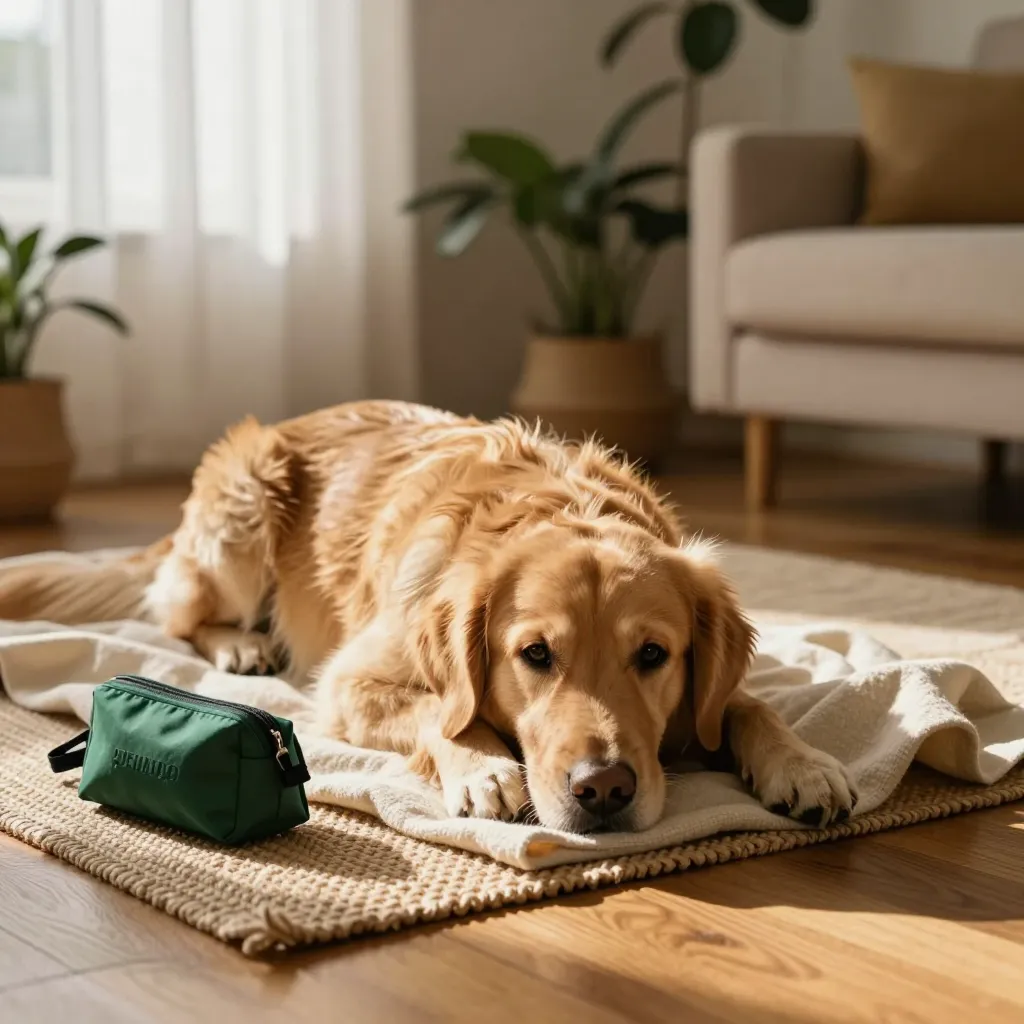
How to Teach Dog Lie Down: Lure, Capture, Shape Methods
Build a reliable 'down' cue with your dog using proven methods like luring from sit, capturing natural lies, and shaping tiny steps for hesitant pups. Ideal for owners wanting smoother vet visits, cafe settles, or daily energy management. Patient, positive sessions yield confident obedience anyone can achieve.
How to Teach a Dog to Lie Down
Teaching your dog to lie down on cue is one of the most useful foundational skills you can build together. Whether you're settling your pup at a café, creating calm during vet visits, or simply managing energy at home, a reliable "down" cue makes daily life smoother for both of you.
Some dogs pick this up within a single afternoon, while others need several patient sessions. The difference usually comes down to communication clarity and your dog's physical comfort—not stubbornness. If your dog seems stuck, they're likely unsure what you're asking rather than refusing to cooperate.
Understanding Why "Down" Can Be Tricky
Before diving into technique, it helps to know why some dogs struggle with this cue. Unlike sitting, which dogs do naturally dozens of times daily, lying down is a more vulnerable position. Timid dogs or those in unfamiliar environments may hesitate to lower their full body to the ground. Others simply haven't connected your hand movements or words to the behavior yet.
If your dog appears anxious, tense, or repeatedly pops back up when you try to lure them, take a step back. Build confidence in familiar settings first, and consider whether the surface beneath them is comfortable—hard floors can feel less secure than carpet or their bed.
The Lure Method: Starting from Sit
If your dog already responds reliably to a "sit" cue, this is the most straightforward path to teaching "down."
Step 1: Ask your dog to sit, then show them a high-value treat held in your closed fingers.
Step 2: Turn your palm to face the floor and hold the treat just below their nose level.
Step 3: Move your hand slowly downward and slightly forward, as if drawing an invisible line from their nose to the space between their front paws. Imagine a gentle string connecting your hand to their nose—keep the movement smooth and deliberate.
Step 4: Watch their body carefully. Most dogs will follow the treat with their nose, lowering their front half first, then their rear. The moment their belly touches the ground, mark the behavior with a soft "yes" or a click, then deliver the treat.
Step 5: If your dog stands up instead of lowering, or looks confused, simply reset: lure them to stand, ask for sit again, and retry the motion. Some dogs need the lure to move slightly into their personal space rather than straight down.
Once your dog is consistently following your hand into position, begin adding your verbal cue. Say "down" just as you start the hand motion, then mark and reward when they complete the behavior. Over time, phase out the hand lure so the word alone triggers the response.
Capturing the Behavior Naturally
Not every dog responds well to luring. Some become overly focused on the treat, others get frustrated, and some simply don't follow hand motions easily. If luring isn't clicking after several short attempts, try capturing instead.
Capturing means rewarding your dog for doing something they would do anyway. Throughout the day, most dogs lie down naturally—after play, during rest, while watching you cook dinner. Keep treats within reach and the moment your dog lies down on their own, mark and reward. Repeat this consistently, and your dog will start offering the behavior more frequently. Once they're deliberately lying down to "earn" rewards, add your verbal cue just before they complete the motion.
Herding breeds and some working dogs actually default to lying down more often than sitting, making them excellent candidates for capturing.
Shaping and Incremental Progress
For dogs who find the full down position physically or mentally challenging, break the behavior into smaller pieces. This approach, called shaping, rewards gradual progress rather than demanding perfection immediately.
Start by rewarding any downward movement: lowering the head, shifting weight back, bending one elbow. Each tiny step earns a mark and treat. As your dog understands the game, raise your criteria—only reward lower and lower positions until the full down emerges.
This method works beautifully for dogs who are hesitant about lying on certain surfaces or who have joint sensitivity. Training on a raised, cushioned surface like their own bed can make the physical act more comfortable and build positive associations with the position.
Setting Up for Success
Keep sessions brief. Three to five minutes of focused training beats twenty minutes of frustration. End while your dog is still engaged and eager.
Use high-value rewards. This isn't the time for kibble they've eaten all week. Break out small pieces of chicken, cheese, or training treats they only get during skill-building sessions.
Match the environment to the dog. Begin in a quiet, familiar room with minimal distractions. As your dog becomes fluent, gradually introduce new locations—living room, backyard, sidewalk café.
Stay calm and patient. Your energy directly affects your dog's willingness to try. If you feel yourself getting frustrated, that's your signal to pause and resume later.
Maintaining the Behavior
Once your dog understands "down," don't let it fade from disuse. Reinforce the cue regularly during daily life—before meals, when greeting visitors, during walks when you stop to chat with a neighbor. Occasional surprise rewards, even after the behavior is well-learned, keep it strong and reliable.
A solid down cue opens doors to more advanced training, from stay and place commands to polite greetings and public access manners. More importantly, it gives your dog a clear way to communicate calmness and settle into moments of quiet togetherness.