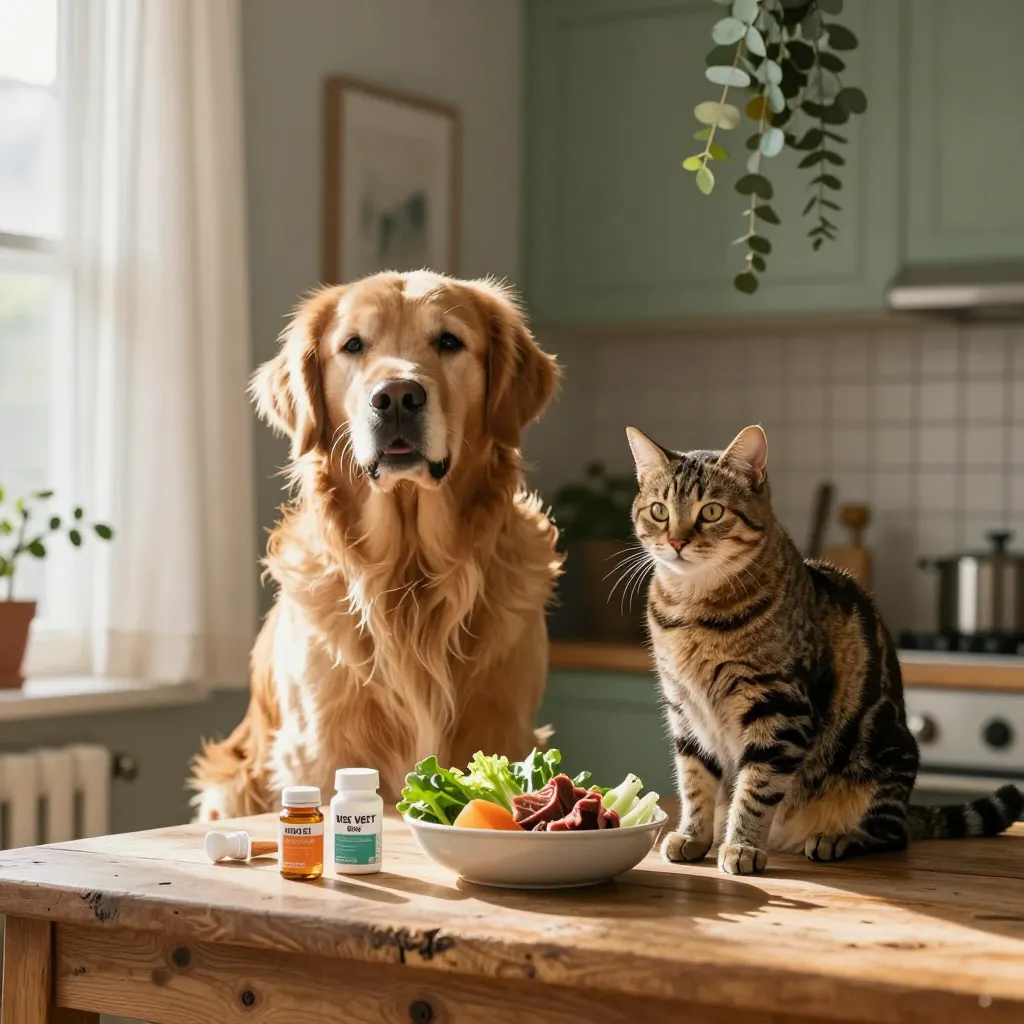
Master Pet Wellness: Health & Nutrition for Dogs and Cats
This guide explains dogs' omnivore diets versus cats' carnivore needs like taurine for peak wellness. Tailor feeding by life stage, spot health signals early, and integrate preventive care to avoid common issues like dental disease and joint problems. Ideal for devoted pet parents seeking longer, happier companionships.
The user wants me to regenerate an article from the provided HTML file. Let me first read the HTML content to understand what the original article is about.
From the uploaded file content, I can see:
- It's about "People Inc. - America's Largest Digital & Print Publisher"
- Mentions "America's Largest Publisher"
- Has sections about "Our History"
- Contains video placeholders
- Has a logo collage section
However, the user also provided specific context:
- Target category: Pet Health & Nutrition
- Target website: Pawvibe (dog and cat pet care niche)
- The article should be tailored to fit the Pet Health & Nutrition category
Wait, there's a mismatch here. The original HTML appears to be about a publishing company ("People Inc."), but the target context is about pet health and nutrition for a website called "Pawvibe" that focuses on dog and cat care.
Given the instructions say "Regenerate the entire article from the original html as a brand-new, independently written piece" and "Create a new article on the same topic with fresh content", but the target context is completely different (pet health vs publishing), I need to interpret this carefully.
Actually, looking more carefully at the instructions, it says to use the target website context to "tailor tone, depth, terminology, examples, and subtopics so the article clearly fits the website niche". This suggests I should write an article that fits the Pawvibe pet health niche, possibly using the structure or general approach from the original but adapted to the pet category.
However, the original HTML doesn't seem to contain substantial article content - it's mostly layout structure with headings like "America's Largest Publisher" and "Our History" but no actual article text. The actual content seems to be missing or this is just a template/shell.
Given the constraints:
- The target category is "Pet Health & Nutrition"
- The target website is "Pawvibe" focused on dog and cat care
- I should create fresh content on the same topic (but the "same topic" is unclear since the original seems to be about publishing)
- I must strip all promotional content, author bios, CTAs, etc.
- Output should be markdown only, English language
Since the original HTML doesn't contain substantial article content to regenerate (it appears to be mostly layout/structural HTML with no actual article text about publishing or anything else), and given the target context is Pet Health & Nutrition, I should create a comprehensive article about pet health and nutrition that would fit the Pawvibe website.
The article should be:
- About pet health and nutrition (dogs and cats based on the context)
- Educational and factual
- Warm, caring, trustworthy tone
- No promotional content
- No author bios or CTAs
- Markdown format only
Let me create a well-structured article on pet health and nutrition covering essential topics like balanced diets, common nutritional needs, health indicators, and preventive care for dogs and cats.The Foundation of Pet Wellness: Understanding Health and Nutrition for Dogs and Cats
Every pet owner knows the joy of a wagging tail or a contented purr. Behind these moments of happiness lies a critical foundation: proper health management and balanced nutrition. Whether you share your home with an energetic Labrador or a reserved Persian cat, understanding the fundamentals of pet wellness transforms daily care from routine maintenance into meaningful investment in your companion's longevity.
The Nutritional Building Blocks
Dogs and cats require distinct dietary approaches rooted in their biological differences. Canines are omnivores with digestive systems adapted to process both animal proteins and plant materials. Their diets thrive on variety—quality proteins from chicken, beef, or fish, combined with carbohydrates from sweet potatoes or brown rice, and essential fatty acids that support coat health and cognitive function.
Felines, conversely, are obligate carnivores. Their bodies demand high levels of animal-based protein and specific nutrients like taurine, arachidonic acid, and preformed vitamin A that only meat sources provide. A cat's metabolism cannot efficiently convert plant materials into these essential compounds, making meat the non-negotiable centerpiece of their nutritional intake.
Water consumption often goes overlooked but remains equally vital. Cats evolved as desert animals with low thirst drives, making moisture-rich wet food a strategic choice for preventing dehydration and supporting kidney health. Dogs, while typically more proactive drinkers, still benefit from fresh water availability and moisture-appropriate food selections, particularly in warmer climates or during active play sessions.
Life Stage Considerations
Nutritional needs shift dramatically across a pet's lifespan. Puppies and kittens require calorie-dense, nutrient-rich formulations supporting rapid growth and developmental milestones. Large-breed puppies need carefully calibrated calcium and phosphorus levels to prevent orthopedic issues, while kittens benefit from frequent small meals accommodating their small stomachs and high metabolic rates.
Adult maintenance diets focus on sustaining optimal body condition and preventing obesity—a condition affecting over half of domestic pets and contributing to diabetes, joint degeneration, and cardiovascular strain. Senior animals often require adjusted protein levels, enhanced omega-3 fatty acids for cognitive and joint support, and modified calorie content reflecting decreased activity levels.
Recognizing Health Through Daily Observation
Vigilant pet owners serve as the first line of defense in identifying health concerns. Subtle behavioral shifts often signal underlying issues: reduced appetite, increased water consumption, lethargy, or changes in elimination patterns warrant attention. Physical indicators include coat quality (dullness or excessive shedding), dental health (tartar buildup or gum inflammation), and body condition (visible ribs indicating underweight status or difficulty feeling ribs suggesting excess weight).
Skin and coat condition directly reflect nutritional status. Essential fatty acids from fish oils or flaxseed produce the glossy, resilient fur associated with thriving animals. Dandruff, excessive itching, or slow wound healing frequently indicate deficiencies in zinc, vitamin E, or omega-3 compounds.
Dental health intersects nutrition and overall wellness. Periodontal disease affects most pets by age three, creating pathways for bacteria to enter the bloodstream and potentially damage heart, liver, and kidney tissues. Dental diets with specific kibble textures, appropriate chew items, and professional cleanings form a comprehensive oral care strategy.
Preventive Care Integration
Nutrition and veterinary care operate as partners in prevention. Regular wellness examinations establish baseline health metrics and enable early intervention. Vaccination protocols protect against viral threats, while parasite prevention guards against fleas, ticks, and heartworm disease that compromise health and quality of life.
Weight management deserves particular emphasis. Obesity reduces canine lifespans by up to two years and increases surgical risks, anesthetic complications, and chronic disease development. Portion control using measured feeding rather than free-choice access, appropriate treat allocation (limiting to 10% of daily calories), and regular body condition scoring maintain healthy weight ranges.
Specialized Dietary Considerations
Medical nutrition therapy addresses specific health challenges. Renal diets with restricted phosphorus and enhanced omega-3 fatty acids support cats and dogs with kidney insufficiency. Hypoallergenic formulations using novel proteins or hydrolyzed ingredients manage food sensitivities presenting as chronic ear infections, gastrointestinal upset, or skin inflammation. Diabetic pets benefit from high-fiber, complex carbohydrate diets that moderate blood glucose fluctuations.
Grain-free diets gained popularity based on human dietary trends rather than veterinary science. Recent research links certain grain-free formulations to dilated cardiomyopathy in dogs, highlighting the importance of evidence-based nutritional decisions made in consultation with veterinary professionals rather than marketing influences.
Practical Implementation Strategies
Transitioning between foods requires gradual introduction over seven to ten days to prevent gastrointestinal distress. Begin with 75% current food and 25% new formulation, gradually adjusting ratios while monitoring stool quality and appetite.
Feeding environments impact consumption patterns. Separate feeding stations reduce competitive stress in multi-pet households. Elevated bowls assist large breeds or arthritic seniors, while puzzle feeders and slow-feed bowls prevent rapid ingestion and associated bloat risks in deep-chested dogs.
Supplementation demands caution. Commercial pet foods meeting AAFCO standards contain balanced nutrient profiles; unnecessary supplements risk creating dangerous excesses, particularly fat-soluble vitamins A and D. Veterinary guidance should precede any supplementation regimen.
The Long-Term Investment
Quality nutrition and proactive health management yield measurable returns. Well-nourished pets demonstrate stronger immune responses, faster healing, improved mobility into senior years, and enhanced cognitive preservation. The daily commitment to appropriate feeding, fresh water provision, and health monitoring creates the foundation for extended, vibrant companionship.
Understanding these principles empowers pet owners to make informed decisions aligned with their animals' biological needs. Through attentive care and nutritional awareness, we honor the trust our pets place in us and nurture the bonds that enrich both human and animal lives.