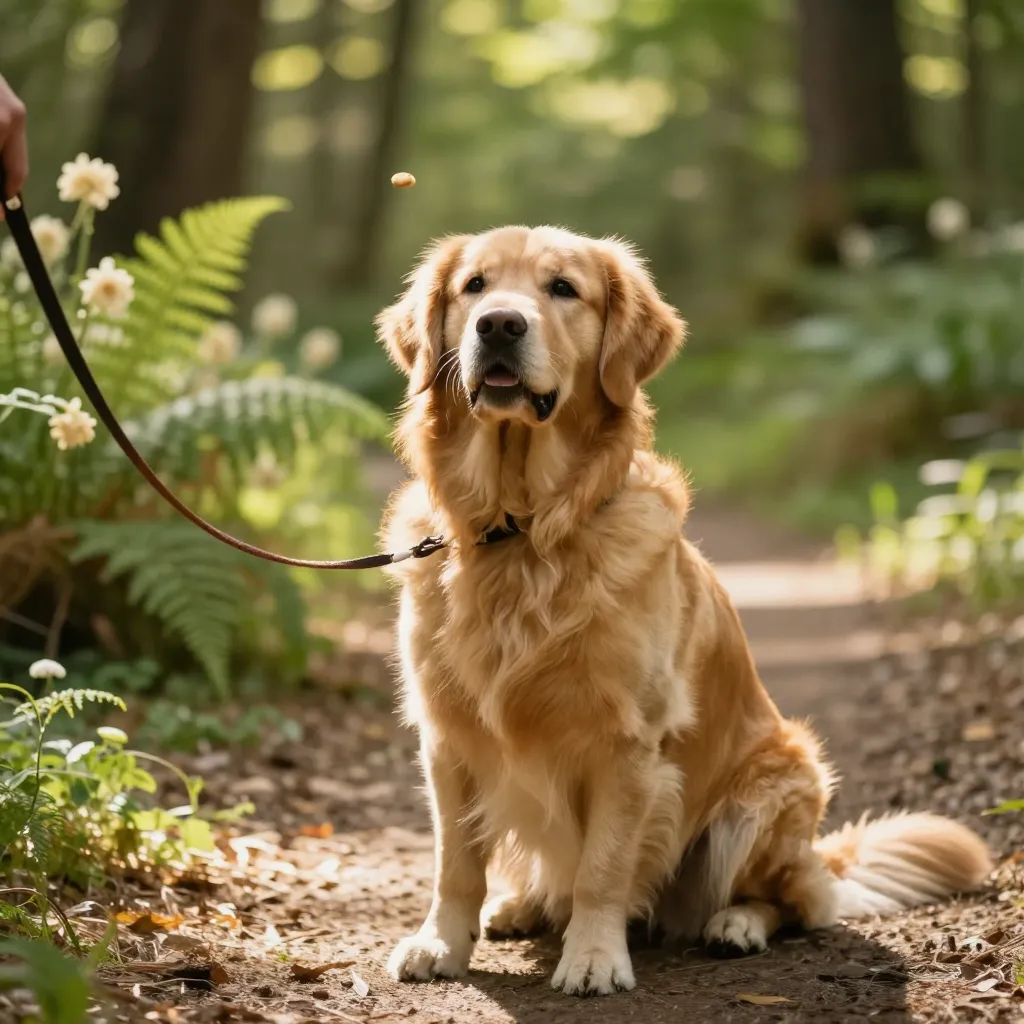
Essential Dog Training Foundations Every Pet Owner Needs to Know
Discover the essential training foundations that every dog owner needs to build a harmonious relationship with their pet. From solving leash pulling to creating consistent household rules, this guide covers proven techniques for raising a well-mannered, confident companion who thrives in your community.
Essential Dog Training Foundations for Every Pet Owner
Whether you dream of competing in canine sports or simply want a well-mannered companion for daily walks, basic training forms the cornerstone of a harmonious relationship with your dog. These fundamental skills not only make life easier but also keep your pet safe, confident, and welcome in your community.
Building Good Manners From Day One
Responsible dog ownership extends beyond providing food and shelter. It means teaching your dog how to navigate the human world with grace. Simple courtesies—cleaning up after your pet, maintaining calm behavior in public spaces, and respecting local leash laws—transform your dog from a neighborhood nuisance into a beloved community member.
Start with these foundational etiquette principles:
- Waste management: Always carry bags and promptly clean up after your dog
- Leash courtesy: Keep your dog close when passing others on narrow paths
- Noise awareness: Address excessive barking before it becomes a habit
- Space respect: Not everyone loves dogs; teach your pet to approach only when invited
Solving Common Leash Challenges
Pulling on the leash ranks among the most frustrating behaviors for dog owners. The good news? With consistency and the right technique, you can teach your dog to walk politely by your side.
The key lies in making pulling unrewarding. When your dog lunges forward, stop walking immediately. Only resume moving when the leash relaxes. This teaches your pet that tension on the collar means the fun stops. Combine this with reward-based training—treats and praise when your dog maintains a loose leash—and you'll see progress within weeks.
For dogs who bark excessively at triggers during walks, identify whether they're reacting from fear, excitement, or frustration. Each motivation requires a slightly different approach, but all benefit from creating positive associations with previously triggering stimuli.
The Power of Consistency
Dogs thrive on predictability. When commands, rules, and consequences vary depending on who's giving them or what mood you're in, confusion sets in. If "down" means lie down today but get off the couch tomorrow, your dog cannot succeed.
Establish clear household rules and ensure everyone follows them:
- Use the same verbal cues for each behavior
- Enforce boundaries uniformly (furniture access, begging at meals, greeting guests)
- Practice commands in short, frequent sessions rather than occasional marathon training
Small dogs often suffer from inconsistent training simply because their size makes misbehavior seem less problematic. However, a jumping Chihuahua creates the same social friction as a jumping Labrador. Apply the same standards regardless of breed size.
Making Training Enjoyable
Learning happens fastest when it feels like play. Incorporate games into your training routine to maintain your dog's enthusiasm and strengthen your bond.
Try these engaging activities:
- Find it: Hide treats around your home and encourage your dog to search using their nose
- Trade game: Teach your dog to happily exchange items, preventing resource guarding
- Obstacle courses: Use household items to build confidence and body awareness
- Back-to-school integration: Include your dog in family routines to prevent separation anxiety when schedules change
Understanding Training Tools
Dog whistles offer unique advantages in specific situations. Their sound carries farther than voice commands and remains consistent regardless of your emotional state. They're particularly useful for recall training in open spaces or working with dogs who have hearing impairments.
However, whistles work best as supplementary tools rather than replacements for verbal communication. Your dog still needs to understand what the whistle means through careful conditioning.
Addressing Anxiety and Reactivity
Many behavioral challenges stem from underlying anxiety. Dogs who bark excessively, destroy furniture, or pace restlessly often need emotional support alongside behavior modification.
Create a calming environment through:
- Predictable routines that reduce uncertainty
- Safe spaces where your dog can retreat during stressful events
- Gradual desensitization to anxiety triggers
- Physical exercise that burns nervous energy
- Mental stimulation through puzzle toys and training games
Common Training Pitfalls to Avoid
Even well-meaning owners sometimes undermine their training efforts. Watch for these frequent mistakes:
- Inconsistent reinforcement: Rewarding a behavior sometimes but punishing it other times
- Training sessions that run too long: Dogs lose focus after 10-15 minutes
- Repeating commands: Saying "sit, sit, SIT" teaches your dog they can ignore the first request
- Emotional training: Attempting to train when you're frustrated or angry
Expanding Your Dog's Skills
Once you've mastered basics like leash walking and sit/stay commands, consider teaching fun tricks that reinforce good behavior. The "shake" command, for instance, builds on your dog's natural pawing behavior while strengthening impulse control. It also serves as a foundation for more advanced tricks and provides an adorable way for your dog to greet friendly strangers.
Training Multiple Dogs
Walking several dogs simultaneously requires additional skills beyond basic leash manners. Each dog needs individual proficiency before group walks become manageable. Start with pairs, ensure each dog responds reliably to their name, and use equipment that prevents tangling. Some dogs do better with walking partners, while others need solo training first.
Learning the Language
Understanding professional training terminology helps you communicate effectively with trainers and decode training resources. Terms like "marker," "lure," "shaping," and "proofing" describe specific techniques that can accelerate your progress once you understand them.
Final Thoughts
Basic training isn't about creating a robot-like pet who never expresses natural behaviors. It's about building clear communication channels between species, ensuring safety, and fostering mutual respect. The time you invest in training during your dog's early months pays dividends throughout their lifetime, creating a confident, well-adjusted companion who enhances every aspect of your shared life.