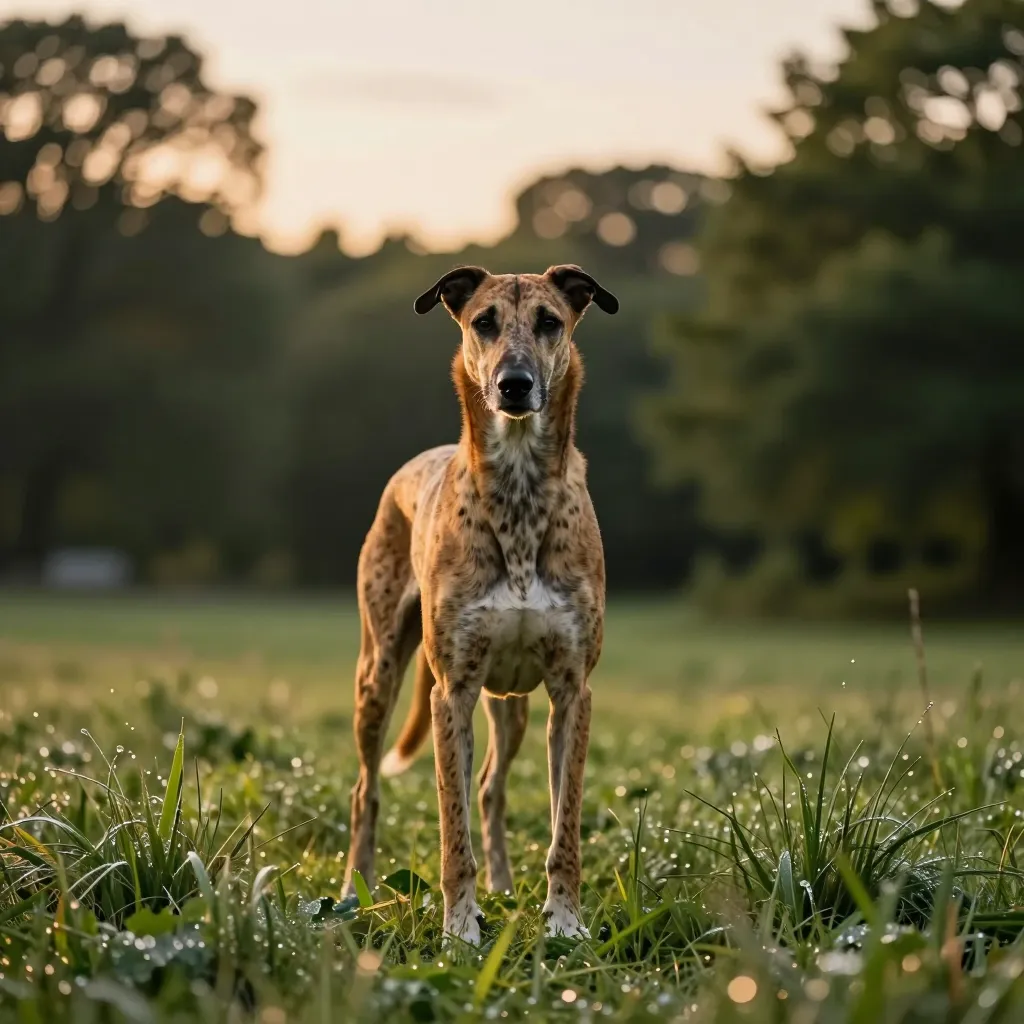
American Leopard Hound: The Ultimate Guide to This Versatile Scenthound
A deep dive into one of North America's oldest hunting breeds. Learn about their striking coat patterns, unmatched stamina, and protective nature. Perfect for active families and outdoor enthusiasts seeking a loyal, hardworking, and intelligent canine partner.
American Leopard Hound: A Complete Breed Guide
Overview
The American Leopard Hound stands as one of the most enduring and capable hunting breeds developed in North America. With roots stretching back centuries, this intelligent and energetic scenthound has earned respect among hunters and families alike for its remarkable tracking abilities, protective nature, and adaptable temperament. Though currently recognized in the AKC's Foundation Stock Service, this breed carries a rich heritage that reflects the practical needs of early American settlers who required versatile, hardworking dogs.
Breed Characteristics at a Glance
| Attribute | Detail |
|---|---|
| Size | Medium to Large |
| Height (Male) | 22–27 inches |
| Height (Female) | 21–25 inches |
| Weight (Male) | 45–75 lbs |
| Weight (Female) | 35–65 lbs |
| Lifespan | 12–15 years |
| Coat Type | Smooth, dense double coat |
| Coat Length | Short |
| Energy Level | High |
| AKC Group | Foundation Stock Service (Hound Group designation) |
Physical Appearance
The American Leopard Hound presents a well-balanced, athletic frame built for endurance in rugged terrain. Their smooth, dense double coat features a rough outer layer and a fine, wooly undercoat that provides protection across temperature extremes. This weather-resistant coat makes them exceptionally capable hunters in both scorching summer heat and freezing winter conditions.
The breed's most striking feature is its remarkable coat pattern diversity. While approximately sixty percent of American Leopards display solid coloring, the breed also produces stunning leopard-spotted and brindle patterns. Officially recognized colors include yellow, red, black, blue, gray, and brown, often accompanied by tan, brindle, merle, or white markings. Their feet deserve special mention—unusually tough and resilient, they rarely become sore even after miles of demanding terrain, a trait that distinguishes them from many other working breeds.
Temperament and Personality
Core Traits
The American Leopard Hound embodies a blend of intelligence, sociability, and spirited energy. These dogs form deep bonds with their families and demonstrate particular devotion toward children, often assuming a naturally protective role. Their affectionate nature extends to household members, though they may display initial reserve with unfamiliar visitors until properly introduced.
Family Integration
This breed thrives in active households where they receive consistent attention and engagement. Their protective instincts make them excellent companions for families with children, though supervision remains important with any dog and young kids. The American Leopard's patient, tolerant disposition generally serves them well in multi-pet environments, though early socialization helps ensure harmonious relationships with other dogs.
Watchdog Capabilities
Naturally alert and attentive, American Leopard Hounds make capable watchdogs. They readily notify their families of approaching strangers or unusual activity without excessive unnecessary vocalization. Once introduced and accepted by their household, they typically warm to visitors appropriately.
Exercise and Activity Requirements
As a breed developed for demanding hunting work, the American Leopard Hound possesses substantial energy reserves requiring regular outlets. Daily exercise isn't merely recommended—it's essential for their physical and mental wellbeing.
Ideal Activities
- Long walks or hikes (multiple daily sessions preferred)
- Backyard play sessions in securely fenced areas
- Scent-based games like hide-and-seek or tracking exercises
- Dog sports including agility, obedience, and rally
- Structured hunting activities where available and appropriate
Without adequate exercise, these intelligent dogs may channel their energy into less desirable behaviors. Their scenthound heritage means they particularly enjoy activities that engage their powerful noses, making nose work and tracking exercises especially satisfying for them.
Training Approach
The American Leopard Hound's keen intelligence and eagerness to please generally make training a rewarding experience. They respond well to positive reinforcement techniques and consistent, patient guidance.
Key Training Considerations
Their strong prey drive and scenthound instincts require particular attention during training. These dogs will readily follow their noses, making reliable recall training absolutely critical. Off-leash activities should occur only in secure areas until you're confident in their responsiveness. Early leash training helps manage their natural inclination to track interesting scents during walks.
Mental stimulation proves equally important as physical exercise. Puzzle toys, training games, and varied activities prevent boredom and the destructive behaviors that often follow. Their problem-solving abilities shine when given appropriate challenges.
Grooming and Coat Care
The American Leopard Hound's short, smooth coat requires relatively modest maintenance compared to many breeds, though regular care keeps them looking and feeling their best.
Grooming Routine
- Weekly brushing removes loose hair and distributes skin oils
- Occasional baths when dirty or smelling less than fresh
- Regular nail trimming every few weeks to prevent overgrowth and splitting
- Weekly ear checks to prevent wax buildup and potential infections
- Regular teeth brushing for dental health
Their moderate shedding means weekly brushing becomes particularly important during seasonal coat changes. The dense undercoat can trap loose hair, so a slicker brush or grooming mitt works effectively.
Health and Wellness
Generally robust and healthy, American Leopard Hounds benefit from responsible breeding practices that prioritize genetic health. Prospective owners should seek breeders who perform appropriate health screenings on their breeding stock.
Important Health Notes
The breed's coat genetics require particular awareness. When two merle-patterned American Leopards are bred together, they can produce "double merle" puppies. These offspring carry significantly elevated risks of deafness, blindness, or impaired vision and hearing. Responsible breeders carefully avoid such pairings, and owners should understand these genetic implications when considering a merle puppy.
Working with a knowledgeable breeder who prioritizes health testing helps minimize the risk of inherited conditions. Regular veterinary care, appropriate vaccination, parasite prevention, and dental maintenance support a long, healthy life.
Nutrition and Feeding
A high-quality diet appropriate to the dog's age and activity level supports the American Leopard Hound's active lifestyle. Whether choosing commercial food or home-prepared meals (formulated with veterinary guidance), focus on complete, balanced nutrition.
Feeding Guidelines
- Adjust portions based on age, weight, and activity level
- Monitor body condition to prevent obesity, which can stress joints and reduce stamina
- Use treats judiciously during training to avoid excessive calorie intake
- Ensure constant access to fresh, clean water
- Avoid toxic human foods including chocolate, grapes, onions, and xylitol-containing products
Active hunting dogs may require increased caloric intake during working seasons, with portions adjusted downward during less active periods to maintain healthy weight.
Living Environment
The American Leopard Hound flourishes in environments that accommodate their energy and instincts. While adaptable, they present certain housing considerations.
Ideal Living Situations
- Rural or suburban homes with ample outdoor access
- Securely fenced yards where they can safely explore and play
- Active households committed to daily exercise and engagement
- Homes with outdoor enthusiasts who enjoy hiking, running, or hunting
Apartment living can work only if owners commit to extensive daily exercise and mental stimulation. Their vocal tendencies and energy make them less suited to sedentary urban lifestyles without significant owner dedication.
Breed History and Heritage
The American Leopard Hound ranks among the oldest tree dog breeds established in North America, with a lineage stretching back to the colonial era and likely beyond. While precise origins remain somewhat mysterious, breed historians believe these dogs descended from hounds brought by Spanish conquistadors, possibly crossed with native dogs and later European imports.
These dogs developed primarily in the southern United States, where settlers needed versatile hunters capable of tracking and treeing game across varied and often challenging terrain. Their exceptional stamina, powerful noses, and ability to work independently made them invaluable for subsistence hunting and later for sport.
The breed's name reflects their frequently spotted coat patterns, though solid colors have always appeared within the population. Historical records and oral traditions suggest these dogs worked extensively across the Appalachian and Ozark regions, becoming deeply embedded in local hunting culture.
Modern recognition efforts have focused on preserving the breed's working abilities and genetic diversity. Their inclusion in the AKC Foundation Stock Service since 2012 represents an important step toward full recognition while maintaining the breed's authentic characteristics.
Is the American Leopard Hound Right for You?
This remarkable breed suits owners who appreciate an intelligent, energetic companion with strong working instincts. Consider this breed if you:
- Lead an active lifestyle with time for substantial daily exercise
- Enjoy outdoor activities like hiking, hunting, or dog sports
- Value a protective, family-oriented dog with natural watchdog abilities
- Can provide consistent training and mental engagement
- Have secure outdoor space or commit to leashed adventures
- Appreciate a dog with deep American heritage and working purpose
The American Leopard Hound represents a living piece of American canine history—a breed shaped by practical needs and preserved by dedicated enthusiasts who value their unique combination of capability, character, and devotion.