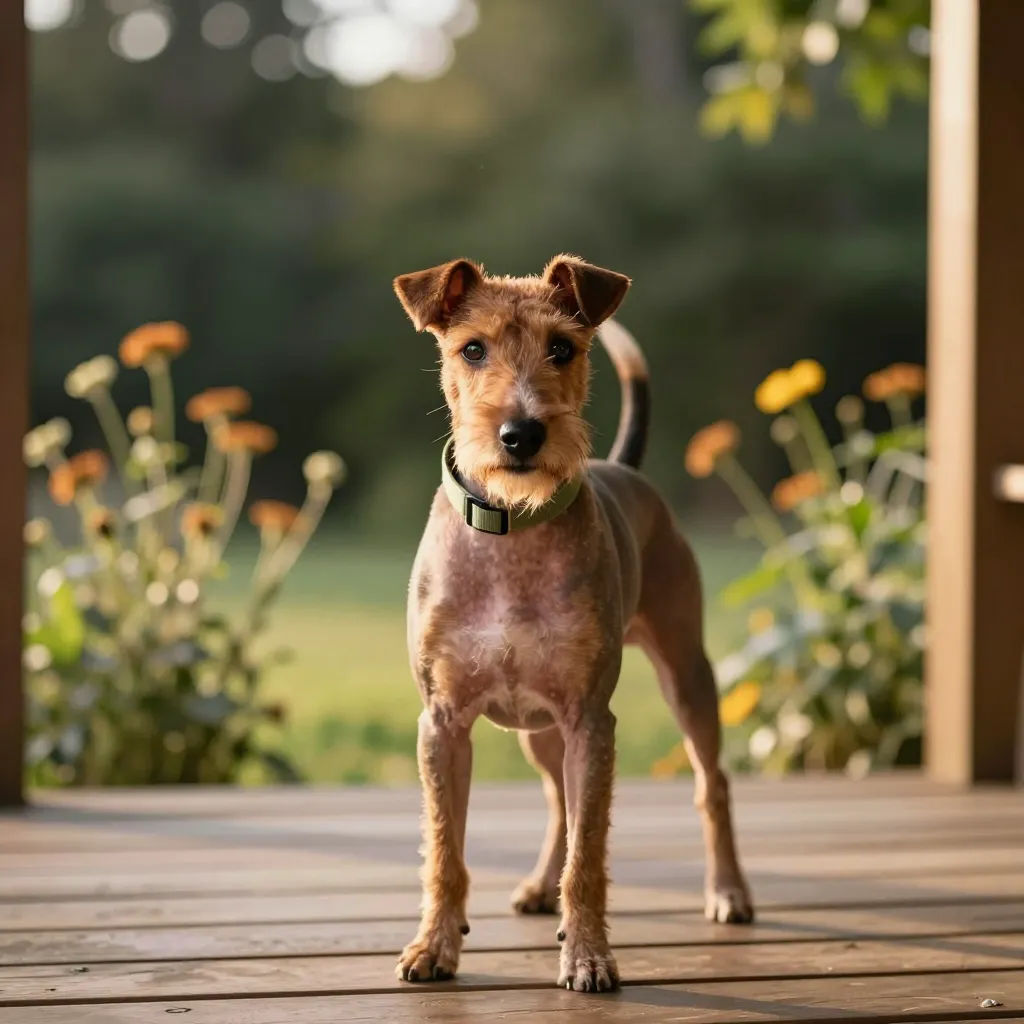
American Hairless Terrier: The Complete Dog Breeds Guide
The American Hairless Terrier is the only hairless breed native to the United States. This compact, intelligent terrier offers hypoallergenic appeal and spirited companionship for active families and allergy-sensitive owners seeking a truly unique pet.
American Hairless Terrier: A Complete Breed Guide
Overview
The American Hairless Terrier stands out as one of the most unique breeds in the canine world—literally. As the only hairless breed native to the United States, this small but spirited dog offers a compelling combination of terrier tenacity and hypoallergenic appeal. Whether you're drawn to their smooth, warm skin or their lively personality, understanding this breed's distinct characteristics is essential before welcoming one into your home.
Breed Snapshot
| Attribute | Detail |
|---|---|
| Height | 12–16 inches at the shoulder |
| Weight | 12–28 pounds |
| Life Expectancy | 14–16 years |
| Breed Group | Terrier |
| Temperament | Alert, curious, energetic |
| AKC Recognition | 2016 |
Origins and History
The American Hairless Terrier's story begins in Louisiana, where it emerged as a natural genetic variation from the Rat Terrier line. In the early 1970s, a hairless puppy named Josephine was born in a litter of Rat Terriers. Recognizing something special, breeders carefully developed this spontaneous mutation into a distinct breed.
Unlike many hairless breeds that trace back centuries in other countries, the American Hairless Terrier is a genuinely American creation. The breed was first recorded in the AKC Foundation Stock Service in 2011 and achieved full recognition in 2016—making it one of the newer additions to the AKC roster.
This breed shares the Rat Terrier's heritage as a working farm dog, originally bred for pest control and companionship. That practical background still shows in their alert, watchful nature and boundless energy.
Physical Characteristics
Two Varieties, One Breed
The American Hairless Terrier comes in two distinct varieties:
Hairless: Completely hairless body with smooth, warm skin. Some individuals may have eyebrows and whiskers. Skin texture feels soft and pliable to the touch.
Coated: Short, sleek coat that lies close to the body. Nearly as low-maintenance as their hairless counterparts.
Build and Appearance
These dogs possess a compact, muscular frame built for agility and endurance. Their wedge-shaped head and erect, V-shaped ears give them an eternally attentive expression. Round, expressive eyes radiate intelligence and curiosity. Despite their small stature, they carry themselves with the confident bearing of a much larger terrier.
Personality and Temperament
The Terrier Spirit, Refined
American Hairless Terriers embody classic terrier traits—intelligence, courage, and spirited energy—without the excessive stubbornness that can challenge some owners. They're genuinely eager to please and form deep bonds with their families.
Key Personality Traits
Alert and Watchful: These dogs make excellent watchdogs. They're naturally protective of their people and quick to announce visitors—though they're typically friendly once introductions are made.
Playful and Curious: Mental and physical stimulation isn't optional with this breed. They thrive on interactive play, puzzle toys, and new experiences.
Affectionate Companions: Despite their independent streak, they crave human companionship and prefer being near their people. Many owners describe them as "velcro dogs" who follow from room to room.
Social with Proper Introductions: While they can be reserved with strangers initially, early socialization helps them develop into well-rounded adults who greet new people and situations with confidence.
Living with an American Hairless Terrier
Family Dynamics
These dogs generally adapt well to family life, though their small size and terrier sensitivity mean interactions with very young children should always be supervised. They typically get along with other dogs when properly socialized, though their prey drive may trigger chasing behavior with smaller pets.
Energy and Exercise Needs
Moderate exercise keeps this breed happy and healthy. Daily walks combined with play sessions in a securely fenced yard usually suffice. They excel in canine sports like agility, obedience, and rally—activities that channel their intelligence and energy constructively.
Without adequate mental stimulation, they may invent their own entertainment, which rarely aligns with human preferences. Think: digging, barking at imagined threats, or rearranging household items.
Care and Maintenance
Skin Care (Hairless Variety)
The hairless variety requires specific attention that coated dogs don't:
- Sun Protection: Their exposed skin burns easily. Limit direct sun exposure during peak hours, apply dog-safe sunscreen, or outfit them in protective clothing before outdoor adventures.
- Temperature Sensitivity: Without a fur coat, they chill quickly in cold weather. Sweaters and coats aren't fashion statements—they're necessities during winter walks.
- Bathing: Regular gentle cleansing prevents skin irritation and keeps their skin healthy. Use mild, fragrance-free products formulated for sensitive skin.
- Moisturizing: Some individuals benefit from occasional light moisturizing to prevent dryness.
Grooming (Coated Variety)
The coated variety is wonderfully low-maintenance. A weekly brushing with a soft bristle brush removes loose hair and distributes skin oils. Occasional baths keep them fresh. Neither variety sheds significantly, making both excellent choices for allergy sufferers.
General Care
- Nail Trimming: Regular trims prevent overgrowth and discomfort
- Ear Cleaning: Weekly checks remove debris and prevent infections
- Dental Care: Daily brushing maintains oral health and prevents periodontal disease
Training and Socialization
Approach and Methods
American Hairless Terriers respond beautifully to positive reinforcement techniques. Harsh corrections or heavy-handed methods damage their sensitive nature and erode trust. Instead, use treats, praise, and play to motivate learning.
Early Priorities
Socialization (7 weeks to 4 months): Expose puppies to diverse people, environments, sounds, and experiences. This critical window shapes their adult temperament and confidence.
Basic Manners: Sit, stay, come, and leash manners form the foundation. Their intelligence means they pick up commands quickly—sometimes too quickly, solving problems in ways you didn't anticipate.
Crate Training: Provides security and aids housetraining. Most adapt readily with positive introductions.
Advanced Training
These dogs shine in structured activities. Their agility and eagerness to please make them competitive in obedience, rally, and agility trials. Many owners find that continued training throughout adulthood keeps their minds engaged and strengthens the human-animal bond.
Health Considerations
Generally Healthy Breed
American Hairless Terriers enjoy relatively robust health with few breed-specific concerns. Responsible breeders screen for:
- Patellar Luxation: A condition where the kneecap dislocates from its normal position
- Hip Dysplasia: Abnormal hip joint development that can lead to arthritis
- Cardiac Issues: Heart conditions screened via examination
Skin Health
While skin problems are relatively rare in this breed, hairless dogs can occasionally experience:
- Acne or blackheads
- Skin allergies or sensitivities
- Minor cuts or abrasions from their active lifestyle
Regular skin inspection during daily care routines catches issues early.
Dental Health
Uniquely among hairless breeds, American Hairless Terriers possess normal dentition. Many other hairless breeds have missing or abnormal teeth due to the genetic link between hairlessness and tooth development. This breed escaped that particular challenge, though regular dental care remains essential for all dogs.
Nutrition and Feeding
Dietary Basics
High-quality commercial or home-prepared diets (formulated with veterinary guidance) support their active metabolism. The specific formulation should match their life stage—puppy, adult, or senior.
Weight Management
These food-motivated dogs can pack on pounds if portions aren't controlled. Monitor body condition regularly and adjust feeding amounts based on activity level, age, and metabolism. Treats should comprise no more than 10% of daily caloric intake.
Feeding Schedule
Two measured meals daily typically work well for adults. Puppies require more frequent feeding—usually three to four times daily until around six months of age.
Is the American Hairless Terrier Right for You?
Ideal Homes
This breed thrives with owners who:
- Can provide consistent companionship—they don't do well with long hours alone
- Enjoy an active, playful companion for walks and adventures
- Appreciate a watchful, alert dog without excessive barking
- Have time for training and mental stimulation
- Can accommodate the hairless variety's skin care needs (if choosing that type)
- Prefer minimal shedding and reduced allergen exposure
Potential Challenges
- Skin sensitivity requires vigilance for the hairless variety
- Prey drive may complicate households with small pets like hamsters or rabbits
- Terrier tenacity means they may test boundaries—consistent, patient training wins
- Temperature vulnerability limits outdoor time in extreme weather
Fun Facts
- The American Hairless Terrier is the first hairless breed to originate in the United States
- They are the only hairless breed with completely normal teeth
- Their skin temperature runs slightly warmer than coated dogs—making them natural "hot water bottles" on cold nights
- They don't shed fur or attract fleas, though they do shed skin cells like all mammals
- The breed maintains the Rat Terrier's legendary ratting instincts and loves digging
Final Thoughts
The American Hairless Terrier offers a rare combination of hypoallergenic practicality and genuine terrier character. For allergy sufferers who've resigned themselves to life without a dog, this breed opens doors. For active individuals or families seeking a compact companion with personality to spare, they deliver in spades.
Success with this breed hinges on understanding their unique needs—whether that's diligent skin care for the hairless variety or ensuring adequate mental and physical stimulation for both types. In return, owners gain a loyal, entertaining, and deeply affectionate companion who's always ready for the next adventure.
Before committing, connect with reputable breeders or breed-specific rescue organizations to meet these dogs in person. Their distinctive appearance captures attention, but their winning personalities truly seal the deal.