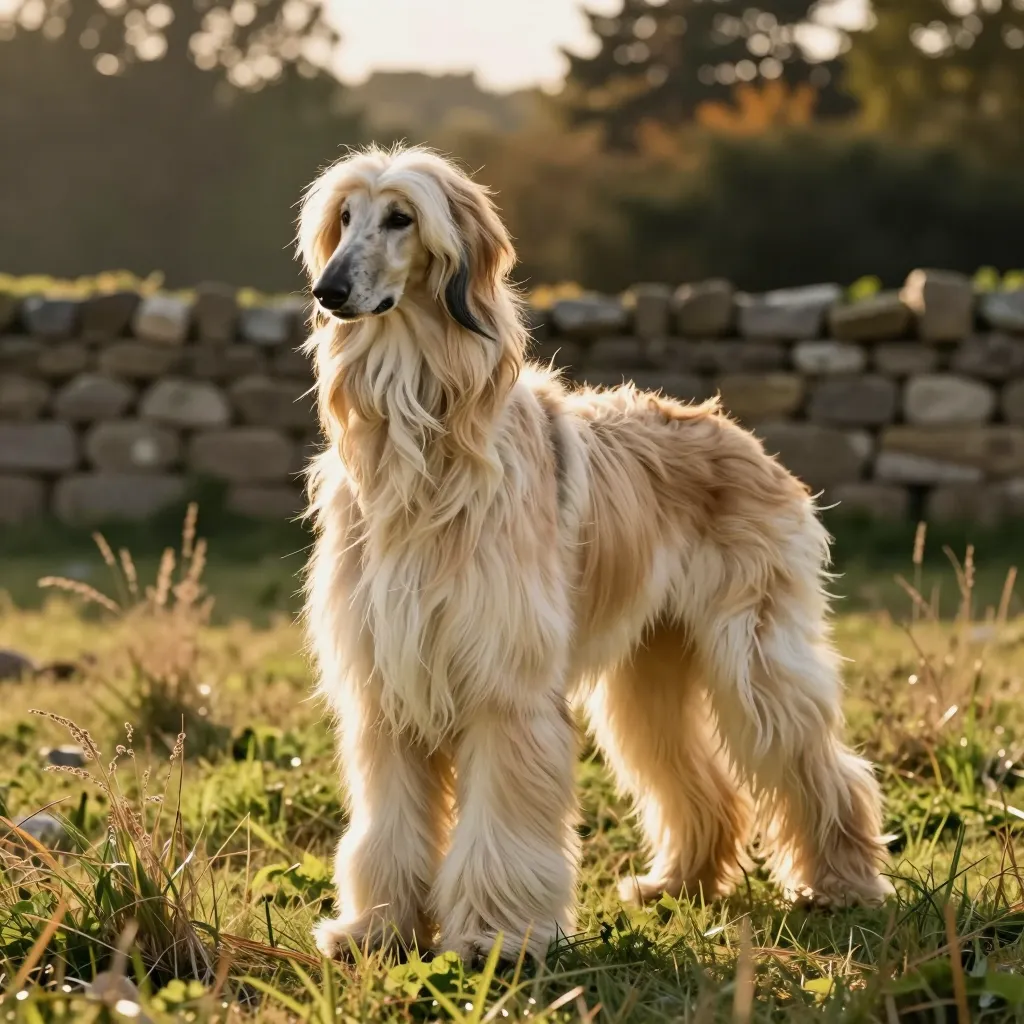
Afghan Hound: The Aristocrat of the Dog World | Breed Guide
Known as the aristocrat of the dog world, the Afghan Hound combines ancient origins with a unique, independent temperament. This guide explores their high grooming needs, intense prey drive, and the specific, relationship-based training approach required to thrive with this elegant sighthound.
Afghan Hound: The Aristocrat of the Dog World
With flowing silk-like hair and an unmistakable air of nobility, the Afghan Hound stands as one of the most visually striking breeds ever developed. Beneath that glamorous exterior lies a complex, ancient sighthound built for speed, endurance, and independent thinking.
Breed Snapshot
| Attribute | Detail |
|---|---|
| Height | 25–27 inches at the shoulder |
| Weight | 50–60 pounds |
| Lifespan | 12–18 years |
| Group | Hound Group |
| Temperament | Independent yet deeply affectionate with trusted humans |
Ancient Origins and History
The Afghan Hound carries one of the longest documented histories of any purebred dog. Evidence suggests these hounds originated thousands of years ago in the mountainous regions of Afghanistan, where their thick, flowing coats protected them from harsh climates while they pursued game across punishing terrain.
Their distinctive paw pads—unusually large and cushioned—evolved as natural shock absorbers for rocky landscapes. Local tribes valued them highly for their ability to course game by sight at remarkable speeds, a trait that defines all sighthounds.
The breed first appeared in the United States in 1926, quickly attracting attention among dog enthusiasts drawn to their exotic appearance. The American Kennel Club officially recognized the Afghan Hound in 1926, and the Afghan Hound Club of America gained AKC membership in 1940.
The Signature Coat: Beauty with Purpose
That magnificent coat isn't merely decorative. Each strand of hair is fine and silky, growing continuously to form a flowing mantle that protected the dog from cold nights and scorching days in high-altitude hunting grounds.
Modern Afghan Hounds display several coat colors:
- Black
- Black & Tan
- Black & Silver
- Blue
- Blue & Cream
- Cream
- Red
- Silver
- White
Common markings include black masks, brindle patterns, and domino coloring. The coat demands substantial commitment—several hours of weekly brushing prevent tangles and mats, while regular bathing keeps the hair clean and lustrous.
Personality and Temperament
The Afghan Hound's personality defies easy categorization. They project aloof dignity toward strangers yet transform into playful, almost clownish companions with their chosen people. This selective affection creates powerful bonds, though it means adult Afghans may struggle adjusting to new homes after bonding with previous owners.
Independent thinkers above all else, Afghans observe before acting. They don't blindly obey commands but instead assess whether cooperation serves their interests. This intelligence manifests differently than in eager-to-please breeds—it shows as calculated decision-making rather than automatic compliance.
Their prey drive remains intense and non-negotiable. No amount of training eliminates the instinct to chase moving objects, making off-leash activities dangerous in unsecured areas.
Living with an Afghan Hound
Exercise Needs
Afghan Hounds require substantial physical activity, but with critical caveats. Short neighborhood walks barely scratch the surface of their energy requirements. These athletic dogs need opportunities to sprint at full speed several times weekly within securely fenced areas—remember, they're exceptional jumpers requiring tall barriers.
Leashed runs suit some mature Afghans, though their chasing instinct demands vigilant control. Mental stimulation matters equally; bored Afghans invent their own entertainment, often destructively.
Training Approach
Success with Afghans requires understanding their motivation. They respond to positive relationships rather than force or repetition. House training typically proceeds smoothly because Afghans prefer keeping their living areas clean and wish to please trusted humans.
Basic manners—come, sit, stay—suffice for most companion Afghans. Competitive obedience or agility demands extraordinary patience and creative training methods that respect their independent nature.
Health Considerations
Afghans share certain health sensitivities common to sighthounds:
- Anesthesia sensitivity: Their naturally low body fat requires modified protocols; seek veterinarians experienced with sighthounds
- Bloat (gastric dilatation-volvulus): Deep-chested anatomy creates risk; learn emergency recognition
- Hip dysplasia: Screening recommended
- Eye conditions: Regular ophthalmologic evaluation advised
- Thyroid disorders: Testing helps catch issues early
Family Compatibility
Afghan Hounds present mixed suitability for households with young children. Their tolerance varies individually, and their sensitivity doesn't always mesh with unpredictable child behavior. Supervision remains essential, as with all breed-child interactions.
Their reserved nature toward strangers makes them poor watchdogs in the traditional sense—they notice everything but rarely feel motivated to announce visitors.
Is the Afghan Hound Right for You?
This breed suits specific lifestyles:
Consider an Afghan if you:
- Appreciate grooming as bonding time
- Have secure, spacious areas for safe running
- Respect independent thinking in animals
- Prefer dignified companions over constantly demonstrative pets
- Can provide patient, relationship-based training
Reconsider if you:
- Want instant obedience and eager-to-please behavior
- Lack time for extensive coat maintenance
- Need reliable off-leash reliability
- Prefer dogs who enthusiastically greet strangers
The Afghan Hound rewards appropriate owners with profound loyalty, quiet companionship, and breathtaking beauty. They're not the breed for everyone, but for those who understand and embrace their unique nature, no other dog compares.
Related Sighthound Breeds
If the Afghan Hound intrigues you, explore these similar breeds:
- Borzoi: Russian sighthound with comparable elegance and independence
- Saluki: Another ancient sighthound with slightly lower grooming demands
- Greyhound: More adaptable and lower-maintenance, with similar exercise needs
- Azawakh: Lean African sighthound with intense loyalty to family
Each offers the sighthound experience with varying coats, sizes, and temperamental nuances worth exploring before committing to this distinctive breed category.