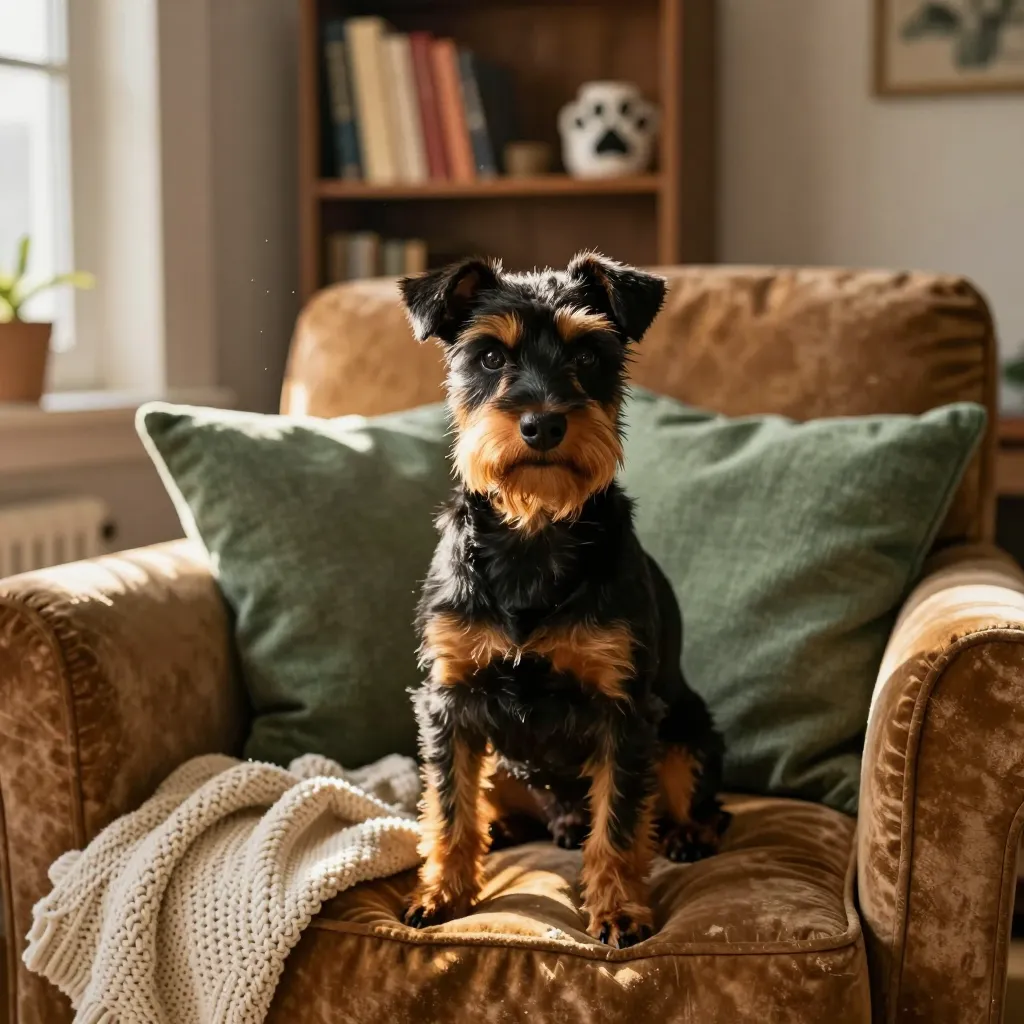
Affenpinscher: The Ultimate Guide to the Feisty Monkey Terrier Breed
The Affenpinscher, or 'monkey dog,' is a feisty toy breed that packs bold spirit into a small frame. Perfect for apartment living, these intelligent and affectionate dogs are ideal for owners who want a vigilant, entertaining, and devoted companion who holds their own against the world.
Affenpinscher: The Feisty Monkey Terrier
The Affenpinscher, often called the "monkey dog" due to its expressive face and playful antics, is a compact toy breed hailing from Germany. Originally developed as a skilled ratter for homes, farms, and workshops, this wiry-haired charmer has evolved into a devoted companion. With a bold spirit packed into a small frame, the Affenpinscher brings endless entertainment and loyalty to families who appreciate a dog that's equal parts protector and clown.
Quick Facts
- Origin: Germany
- Group: Toy
- Height: 9–11.5 inches
- Weight: 7–10 pounds
- Lifespan: 12–15 years
- Coat: Harsh, wiry; primarily black, also gray, red, or black and tan
- Exercise: Moderate
- Grooming: Regular brushing and hand-stripping
- Trainability: Responds well to positive methods
- Best for: Adults or families with older children; apartment living
Fun fact: "Affenpinscher" translates to "monkey terrier" in German, perfectly capturing its mischievous, monkey-like expressions and terrier tenacity.
Breed Overview
Affenpinschers are bundles of energy and curiosity, thriving on adventure while serving as vigilant watchdogs. Their sturdy build belies their tiny size, and they're known for fearlessly challenging much larger foes. These intelligent pups pick up tricks quickly and adapt to new situations with ease, making them great travel buddies. Early socialization is key to channeling their independent streak into well-mannered behavior.
While affectionate with their loved ones, Affenpinschers can be selective about company, preferring calm interactions over roughhousing. They're not big barkers but will sound the alarm if something seems off, then take time to settle. With consistent, reward-based training, they shine in activities like agility, obedience, and even therapy work, always eager to please when motivated by play or treats.
A Brief History
Dating back to the 17th century, Affenpinschers were essential workers across Europe, hunting rodents in stables and kitchens. By the 18th century, selective breeding made them smaller and more refined, ideal for companionship. Paintings from as early as the 15th century hint at their ancestors—rough-coated, bearded dogs.
Germany, especially Munich, became the breed's hub, with the first standard emerging around 1913. The American Kennel Club recognized them in 1936, though World War II slowed U.S. popularity. A Westminster Toy Group win in 2002 spotlighted their charm, but they remain a rare gem today, influencing breeds like the Brussels Griffon and Miniature Schnauzer through shared wiry coats and spirited faces.
Size and Appearance
These pint-sized powerhouses stand 9 to 11.5 inches at the shoulder and weigh 7 to 10 pounds. Their square-proportioned bodies are muscular and agile, topped with a distinctive head featuring a broad muzzle, dark eyes, and a tousled "beard" that gives the signature monkey look. The coat is dense and wiry, longest on the head, legs, and chest like a natural cape, with minimal shedding.
Temperament and Personality
Affenpinschers are lively, clever, and endlessly entertaining, often plotting harmless mischief to keep things interesting. Loyal to their core, they bond deeply with family, offering protection without aggression. Their terrier heritage shines in their boldness—they'll stand ground against bigger dogs—but this calls for supervision outdoors.
Curious explorers at heart, they need gentle guidance to avoid trouble. Positive reinforcement builds their confidence, turning potential stubbornness into cooperative fun. Socialize puppies early through puppy classes, park visits, and varied experiences to nurture a friendly, adaptable adult.
Health Considerations
Generally robust, Affenpinschers can face breed-specific issues. Responsible breeders screen parents for:
- Patellar Luxation: Kneecap slippage causing limping; mild cases managed, severe ones may need surgery.
- Legg-Calve-Perthes Disease: Hip joint deformity in young pups, treatable with surgery and rehab.
- Hip Dysplasia: Loose hip joints leading to arthritis; confirmed via X-rays.
- Heart Murmurs: Blood flow irregularities requiring vet monitoring.
Request OFA certifications for hips, elbows, patellas, and eyes, plus CERF eye exams. Routine dental care combats common small-breed tooth issues. Annual vet checkups, balanced diet, and exercise promote longevity.
Everyday Care and Training
Perfect for apartments, Affenpinschers need 20–30 minutes of daily walks or yard play to stay fit. They're housedogs at heart—secure fencing prevents bold escapes. Housetraining takes patience; crate training works wonders with consistency and praise.
Keep sessions short and fun: treats, toys, and enthusiasm overcome their selective listening. They flourish with mental challenges like puzzle toys or scent games.
Nutrition Needs
Feed ¼ to ½ cup of premium dry kibble daily, split into two meals, adjusted for age, activity, and metabolism. Prioritize small-breed formulas supporting dental health and joint mobility. Monitor weight with the eye and hands-on test: visible waist, palpable ribs. Fresh water always; avoid free-feeding to prevent picky eating.
Grooming Essentials
Maintain their neat, shaggy vibe with weekly slicker brushings and combing to detangle. Hand-strip the coat every 6–8 weeks for texture—pros can teach you. Bathe sparingly with gentle shampoo. Trim nails monthly, brush teeth 3–7 times weekly, and clean ears to prevent buildup.
Start handling routines as puppies: paws, mouth, ears. Regular checks catch issues like rashes or infections early.
Family Life: Children and Other Pets
Affenpinschers suit gentle households, wary of toddlers' grabs or rough play—they may snap if cornered. Supervise closely; teach kids respectful approaches, like sitting for lap time. With older, dog-savvy children, they're playful pals.
They mix well with calm pets but overestimate their size against bigger dogs. Early intros build harmony; spay/neuter reduces territorial spats.
Whether from a shelter or ethical breeder, an Affenpinscher rewards patient owners with years of laughter, love, and unwavering devotion.