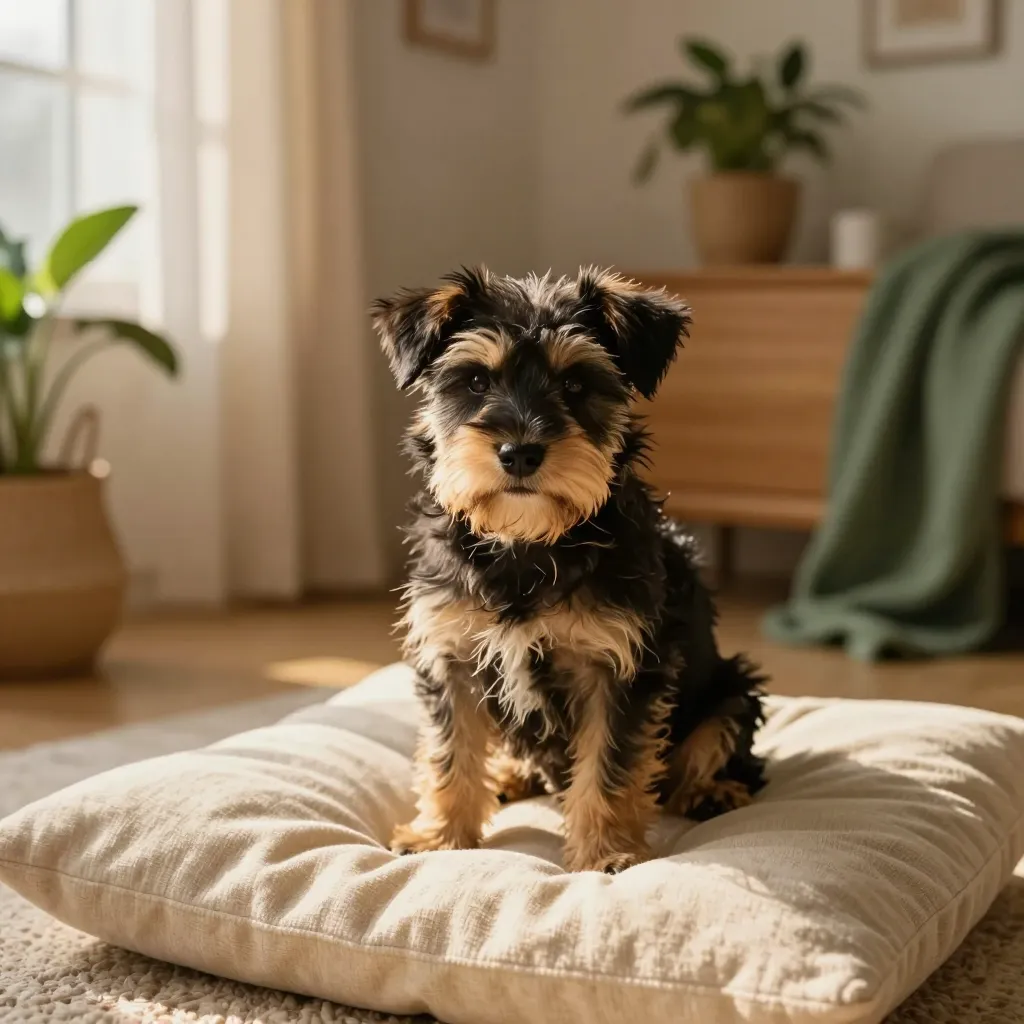
Affengriffon: The Complete Guide to the Affenpinscher-Brussels Griffon Mix
Explore the world of the Affengriffon, a lovable crossbreed between an Affenpinscher and a Brussels Griffon. This guide details their unique 'Ewok-like' appearance, adventurous personality, specific care requirements, and why these small dogs make such loyal family companions for the right owners.
Affengriffon: A Complete Guide to the Affenpinscher–Brussels Griffon Mix
The Affengriffon is a charming designer crossbreed that brings together two beloved small companion dogs: the Affenpinscher and the Brussels Griffon. This pint-sized hybrid inherits the best traits from both parent breeds—playful confidence, unwavering loyalty, and an unmistakably adorable face that turns heads wherever it goes.
If you're considering adding an Affengriffon to your family, this guide covers everything from temperament and care needs to health considerations and training tips.
Breed Overview
| Characteristic | Details |
|---|---|
| Parent Breeds | Affenpinscher × Brussels Griffon |
| Size | 7–13 pounds, 9–12 inches tall |
| Coat | Wiry, medium-length; black, brown, or mixed |
| Lifespan | 12–15 years |
| Energy Level | Moderate |
| Good For | Apartments, first-time owners, singles, seniors |
Origins and History
The Affengriffon is a relatively new addition to the designer dog world, but its parent breeds boast centuries of history.
The Affenpinscher hails from Germany, where these small, wiry-haired dogs were originally bred as ratters in kitchens and stables. Over time, their comical expressions and affectionate nature made them prized companions among European nobility.
The Brussels Griffon emerged in Belgium, also beginning as a working ratter before transitioning into a beloved lapdog. Their distinctive human-like faces and big personalities earned them devoted fans across the continent.
When combined, these two breeds produce the Affengriffon: a small dog with a huge personality, a beard that demands attention, and a heart full of devotion.
Physical Characteristics
Affengriffons are compact, sturdy little dogs with a distinctly monkey-like or almost human facial expression—often described as "Ewok-like" by enthusiasts. Their wiry coat requires regular maintenance but sheds minimally, making them appealing for allergy-sensitive households.
Key physical traits:
- Face: Short muzzle with prominent beard and whiskers
- Eyes: Large, round, and expressive
- Ears: May stand erect like the Affenpinscher or fold over like the Brussels Griffon
- Body: Square-proportioned and surprisingly muscular for their size
- Tail: Often carried high, sometimes docked (where permitted)
Temperament and Personality
The Affengriffon is a study in delightful contradictions: small in stature but bold in spirit, clownish in play but deeply devoted to their people. These dogs form intense bonds with their families and prefer to be wherever you are.
Personality highlights:
- Playful and entertaining: They have a natural comedic timing and love being the center of attention
- Confident to the point of fearless: Affengriffons rarely back down, regardless of the opponent's size
- Affectionate lap warmers: Despite their spunk, they cherish cuddle time
- Vocal communicators: They won't hesitate to alert you to visitors, squirrels, or imaginary threats
Their stubborn streak means they have opinions about everything—from which walking route to take to whether they feel like coming when called. This independence is endearing but requires patient, consistent guidance.
Living with an Affengriffon
Apartment Living
These dogs adapt remarkably well to apartment life. Their small size means they don't need sprawling spaces, and they're generally content with indoor play sessions. However, their tendency toward barking means you'll need to invest time in teaching a reliable "quiet" cue.
Exercise Needs
Moderate daily activity keeps an Affengriffon happy and well-behaved:
- Two 15–20 minute walks daily
- Indoor play sessions with toys
- Puzzle feeders and snuffle mats for mental stimulation
Without adequate activity, they may channel pent-up energy into destructive chewing or excessive vocalization.
Socialization Requirements
Early and ongoing socialization is essential. Expose your Affengriffon puppy to various people, dogs, sounds, and environments to prevent them from becoming overly suspicious or reactive. Their natural wariness of strangers can tip into excessive guarding without proper guidance.
Training Your Affengriffon
Training an Affengriffon requires creativity, patience, and a sense of humor. These intelligent dogs learn quickly but question whether commands are worth following.
Effective training strategies:
- Positive reinforcement only: Harsh corrections damage trust and trigger stubborn resistance
- Keep sessions short and fun: 5–10 minutes prevents boredom
- High-value rewards: Find what truly motivates your individual dog
- Consistency across household: Mixed messages confuse these clever dogs
- Early crate training: Helps with housebreaking and prevents separation anxiety
Housebreaking can take longer than with eager-to-please breeds. Establish a strict routine, supervise diligently, and celebrate successes enthusiastically.
Grooming and Coat Care
The Affengriffon's wiry coat is low-shedding but not low-maintenance. Regular grooming prevents matting and keeps their distinctive appearance sharp.
Grooming routine:
- Brushing: 2–3 times weekly with a slicker brush or comb
- Bathing: Every 4–6 weeks, or as needed
- Hand-stripping: Some owners choose professional hand-stripping to maintain proper coat texture
- Facial cleaning: Daily wipe-around of beard and muzzle prevents food debris buildup
- Nail trimming: Every 2–3 weeks
- Ear checks: Weekly inspection and cleaning as needed
Their minimal shedding makes them suitable for many allergy sufferers, though no dog is truly 100% hypoallergenic.
Health Considerations
Affengriffons are generally robust dogs with good longevity. However, like all breeds, they're predisposed to certain inherited health conditions from their parent breeds.
Conditions to monitor:
| Condition | Description | Prevention/Management |
|---|---|---|
| Patellar Luxation | Kneecap dislocation causing lameness | Maintain healthy weight; surgical correction in severe cases |
| Brachycephalic Syndrome | Breathing difficulties from shortened muzzle | Avoid overheating; use harnesses instead of collars |
| Hip Dysplasia | Abnormal hip joint development | Weight management; joint supplements |
| Allergies | Skin or food sensitivities | Identifying triggers; veterinary-prescribed diets |
| Dental Disease | Small breeds are prone to tartar buildup | Daily brushing; professional cleanings |
Regular veterinary checkups, dental care, and maintaining a healthy weight significantly contribute to a long, comfortable life.
Diet and Nutrition
A high-quality diet appropriate for small, moderately active dogs supports the Affengriffon's health. Most adults thrive on approximately one cup of food daily, split into two meals.
Feeding considerations:
- Measure portions to prevent obesity—these small dogs gain weight quickly
- Choose food appropriate for their age (puppy, adult, senior)
- Consider dental health formulations to combat tartar buildup
- Avoid free-feeding; scheduled meals aid housebreaking and weight control
Always provide fresh water and monitor treat intake, which can quickly add excess calories in small breeds.
Family Compatibility
Affengriffons make wonderful companions for the right households. They typically adore their families but may not suit every living situation.
Best matches:
- Singles or couples seeking a devoted companion
- Retirees with time for daily walks and interaction
- Families with older, respectful children who understand gentle handling
- Apartment dwellers committed to managing barking
Challenges to consider:
- Their prey drive makes them risky around small pets like hamsters or guinea pigs
- Small children may accidentally injure these delicate dogs during rough play
- Their assertiveness can overwhelm more timid dogs in multi-pet homes
- They demand significant attention and may develop separation anxiety if left alone excessively
Finding an Affengriffon
Because the Affengriffon remains relatively rare, finding one requires patience. Consider these avenues:
Adoption first: While dedicated Affengriffon rescues don't exist, check breed-specific rescues for Affenpinschers or Brussels Griffons—similar mixes occasionally become available. General shelters and Petfinder searches may also reveal unexpected matches.
Reputable breeders: If purchasing a puppy, prioritize ethical breeders who:
- Health-test parent dogs for genetic conditions
- Raise puppies in home environments with early socialization
- Provide health guarantees and ongoing support
- Welcome visits and transparently answer questions
Avoid pet stores, online marketplaces with suspiciously low prices, or breeders who won't show you the parent dogs' living conditions.
Is the Affengriffon Right for You?
Choose an Affengriffon if you want:
- A small dog with a huge personality
- A loyal, affectionate companion who sticks close
- A breed adaptable to apartment living
- An entertaining, sometimes clownish family member
Consider a different breed if you need:
- A dog content with being left alone for long hours
- A quiet, non-vocal companion
- A pet safe around small animals like rodents
- A dog who automatically obeys without question
The Affengriffon rewards dedicated owners with years of laughter, loyalty, and love. Their spirited nature and adorable appearance make them unforgettable companions for those ready to embrace their unique charm.